
There is one ingredient that defines summer cooking more completely than any other.
Not the corn, which has perhaps a six-week window of genuine glory. Not the peach, which is extraordinary for eight weeks and then gone. Not the zucchini, which is abundant beyond any reasonable need for it. Not even the fresh herb, which threads through summer cooking as a continuous presence without ever becoming its center.
The tomato.
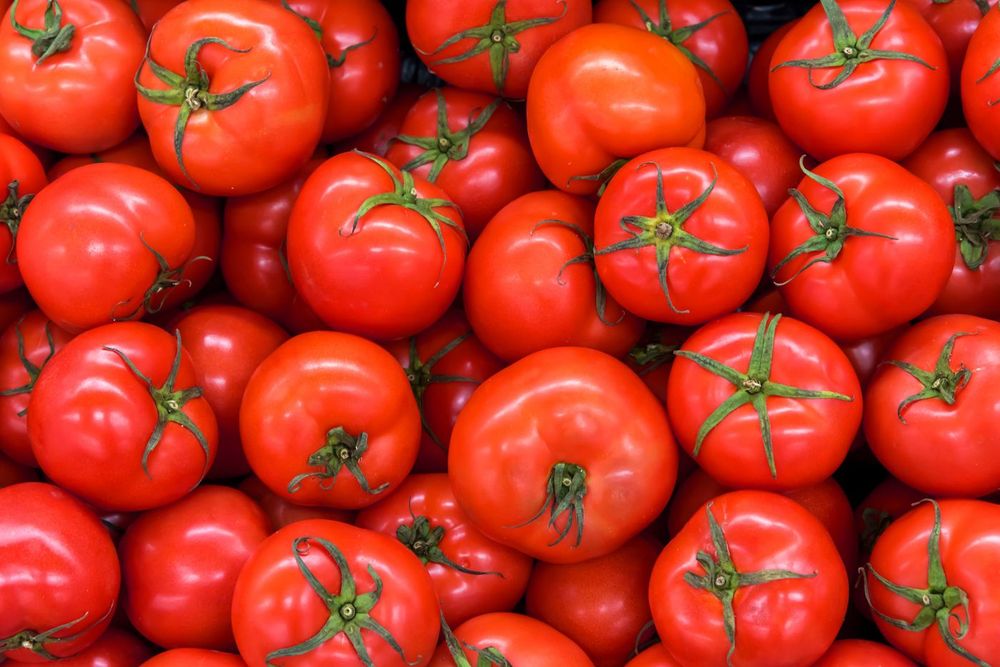
The tomato is summer. Not metaphorically — in the specific, chemical sense that the volatile aromatic compounds responsible for tomato flavor are produced in concentrations that make the fruit genuinely extraordinary only during the specific combination of heat, light, and time that peak summer provides. The tomato that is at its best in August is not the same ingredient as the one available in January — and the cook who has experienced both knows this as an unambiguous fact rather than a matter of preference.
What is less understood — and what the committed summer cook discovers over years of paying close attention — is that the tomato is not one experience but many. The same ingredient, at the same peak of quality, produces entirely different flavor and textural experiences depending on what is done to it. Each application reveals a different dimension of what the tomato is, and the cook who knows all of these applications knows the tomato in a way that using it in only one form never produces.
The Raw Tomato: The Beginning of Everything
The raw tomato requires the most from the ingredient and contributes the least from the cook. There is nowhere to hide.
The peak-season tomato eaten raw — sliced thick, salted generously with the kind of salt that takes a moment to dissolve, drizzled with the best olive oil available, eaten with bread — is the tomato at its most complete and its most direct. Every quality it has is present: the sweetness, the acidity, the specific aromatic compounds that produce the unmistakable smell and flavor of a genuinely ripe tomato, the texture that gives way under the knife without resistance and releases juice that carries the concentrated flavor of the whole fruit.
The specific way to salt a raw tomato deserves more attention than most cooks give it. The salt applied to the cut surface draws moisture from the interior — not to remove it, as salting eggplant for water removal does, but to create on the surface a small amount of concentrated, intensely flavored tomato liquid that mingles with the olive oil and becomes a dressing for the tomato itself. Left for two or three minutes before eating, the salted tomato is a different and better experience than the immediately eaten one.
The Caprese — the combination of raw tomato with fresh mozzarella and basil — is the most celebrated application of the raw tomato, and it is celebrated because it is one of the most perfect examples of the principle that the best ingredients need only each other. The mozzarella’s mild, slightly tangy creaminess is the ideal textural and flavor counterpoint to the tomato’s acidity and sweetness. The basil’s aromatic brightness ties the two together. Nothing else is needed. Nothing else should be added.
But the raw tomato’s applications extend well beyond Caprese. The tomato salad with nothing but salt and good oil. The tomato bruschetta on properly toasted bread rubbed with garlic. The tomato gazpacho in which the raw fruit is the primary flavor without any transformation by heat. The chopped tomato salsa in which the raw acidity and sweetness are the point rather than the background. Each of these is the tomato at its most vivid — unaltered, presented directly, asking only that the quality of the fruit be sufficient to carry the dish.
The Quickly Cooked Tomato: Five Minutes of Transformation
The tomato subjected to a brief application of heat — five to ten minutes in olive oil over moderate heat — undergoes the beginning of a transformation that longer cooking completes but that this stage produces in its own specific and irreplaceable form.
The quickly cooked tomato is not the raw tomato with its temperature changed. It is a different ingredient. The cell walls have begun to break down, releasing juice that concentrates slightly in the pan. The sharp, volatile acidity of the raw fruit has softened. The sweetness has become more apparent. And the Maillard reaction, occurring at the point where the tomato flesh contacts the hot surface of the pan, has produced flavor compounds that the raw tomato doesn’t contain.
This is the tomato of the quick pasta sauce — made in the time it takes to cook the pasta, from raw tomatoes cooked briefly in good olive oil with garlic and perhaps a handful of torn basil added at the end. The tomatoes collapse and release their juice, which reduces quickly into a sauce that is lighter and fresher than a long-cooked version while being more complex than the raw fruit would provide. This sauce cannot be made from any ingredient other than peak-season tomatoes — because it depends on the quality of the tomato rather than on the cooking to develop flavor. An out-of-season tomato cooked for five minutes in olive oil produces something flat and disappointing. An August tomato cooked for five minutes in olive oil produces something that requires nothing added and nothing adjusted.
The briefly cooked tomato is also the tomato of the pan sauce component — the chopped tomato added to a pan after meat has been seared, its acidity lifting the fond, its juice providing the liquid that becomes the sauce as it reduces over the next few minutes. Here the tomato is not the primary ingredient but the flavor architect — the element that brings acid and body and the specific flavor complexity of a briefly cooked tomato to a preparation where it is one element among several.
The Long-Cooked Tomato: What Time Produces
The tomato that is cooked for an hour or two or three undergoes a transformation so complete that the result shares very little with the raw fruit beyond its color and its essential tomato character.
The water content — which constitutes roughly ninety-four percent of a fresh tomato’s weight — has largely evaporated, concentrating everything that remains. The sugars, which represent a small percentage of the raw tomato, have concentrated and caramelized. The proteins have broken down. The cell structure has completely dissolved. What remains is thick, sweet, deeply savory, and more intensely tomato-flavored than any raw tomato can be — because the flavors that were diluted in ninety-four percent water are now concentrated in a fraction of that volume.
This is the tomato sauce of southern Italian cooking — cooked low and slow with nothing but olive oil and onion and perhaps a handful of basil, allowed to develop its own depth over hours without intervention, producing something that tastes as if it took skill when what it actually took was time. The cook who makes this sauce once and eats it alongside a version made in twenty minutes understands immediately and permanently what the additional cooking time produces and why it cannot be replicated by any other means.
The long-cooked tomato is also the braising medium — the tomato that forms the liquid component of a braise, contributing its depth and its pectin to a sauce that coats the meat and the vegetables and ties the entire preparation together. Here the tomato cooks for the duration of the braise — two hours, three hours, four — becoming progressively more concentrated and more integrated with the other flavors in the pot until it is impossible to isolate as a distinct element and yet is entirely responsible for the character of the sauce.
The Roasted Tomato: A Different Kind of Heat
The tomato subjected to the dry heat of a hot oven — rather than the moist heat of a covered pot or the direct heat of a pan — undergoes a specific transformation that neither stovetop cooking nor braising produces.
Roasting at high temperature — the tomato halved, cut-side up, dressed with olive oil and salt, cooked at 400°F or higher — produces caramelization at the cut surface that concentrates flavor through a fundamentally different mechanism than stovetop reduction. The Maillard reaction occurring at the surface of the cut tomato produces flavor compounds that no other cooking method generates. The edges begin to caramelize and char slightly. The interior collapses and concentrates. The juice that released from the flesh has reduced and thickened in the pan, producing a concentrated tomato essence that is the best part of the preparation and should be scraped up and incorporated into whatever the roasted tomatoes are added to.
The overnight roasted tomato — cooked at a much lower temperature, 275 to 300°F, for three to four hours — produces something different again. The slow, gentle heat dries the tomato gradually without burning it, concentrating its flavor to an extraordinary degree while producing a result that is soft rather than caramelized. These roasted tomatoes, stored in olive oil, are one of the most useful and most versatile preserved preparations available from the summer tomato. They can be used immediately, stored for a week in the refrigerator, or frozen for the winter — carrying the specific flavor of peak-season tomatoes into the months when no fresh tomato is worth buying.
The Preserved Tomato: Extending the Season
The summer cook who is paying attention reaches a point in August when the simultaneous awareness of peak quality and impending season end produces a specific and productive urgency.
These tomatoes will not be available next month. Next month they will be replaced by the pale, tasteless alternatives that the grocery store offers year-round. The question is not whether to preserve but how much — how many jars, how many bags in the freezer, how much of this specific, irreplaceable flavor can be captured and carried forward into the months when it will not otherwise exist.
The simplest preservation — the whole peeled tomato packed in jars and processed according to proper canning technique — preserves the tomato’s flavor with minimal transformation. These preserved tomatoes, opened in January and cooked into a sauce, produce something that no canned commercial tomato matches because they are made from tomatoes at their actual peak rather than from tomatoes selected for processing characteristics.
The sauce made from peak-season tomatoes and frozen in portions — the quick sauce cooked in twenty minutes and frozen while still at the bright, fresh stage of its cooking — is perhaps the most direct preservation of summer tomato flavor available. The frozen sauce, thawed in January and heated over pasta, tastes of August in a way that is startling and specific.
And the sun-dried tomato — the sliced tomato dried slowly until its water content is reduced to fifteen or twenty percent and its flavor is concentrated to an extraordinary intensity — is the tomato at its most transformed and its most durable, capable of being stored for months and providing a concentrated tomato flavor addition to preparations throughout the year.
The Tomato That Brings Everything Together
The cook who knows the tomato in all its forms — raw and quickly cooked and long-cooked and roasted and preserved — is a cook with a complete understanding of one of the most versatile and most season-specific ingredients available.
Each form produces a different flavor experience. Each form is appropriate for different preparations. Each reveals something about the tomato that the others cannot.
The raw tomato is the tomato at its most vivid and most direct. The quickly cooked tomato is the tomato beginning to transform, its sharpness softened and its complexity beginning to develop. The long-cooked tomato is the tomato fully transformed, its essence concentrated beyond what the raw fruit suggested was possible. The roasted tomato is the tomato caramelized, its flavors deepened by the Maillard reaction that dry heat produces. And the preserved tomato is the tomato carried forward in time, its summer peak extended into the months when it would otherwise be absent.
Together, these forms provide a complete vocabulary for working with the ingredient — one that the cook who uses the tomato in only one way never develops.
The Takeaway
The tomato is summer’s defining ingredient — not because it is the rarest or the most fleeting but because it is the one that most completely encodes the season in its flavor. The peak-season tomato eaten in August carries summer in it the way no other food does.
Use it in every form while it is at its best.
Eat it raw with salt and oil. Cook it quickly for pasta. Let it braise for hours. Roast it until it caramelizes. Preserve what cannot be eaten now for the months when nothing fresh can replace it.
The tomato does not ask for elaborate technique. It asks for attention — for the willingness to encounter it in different forms and to give each form the specific preparation it deserves.
That attention, sustained across the weeks of the summer tomato season, produces a relationship with the ingredient that makes the inevitable arrival of the first pale January tomato — the one that can never be what August was — a genuinely poignant moment.
The season is brief.
Use it completely.