
It's one of the most quietly debated ingredients in cooking. A bay leaf goes into the pot, simmers for hours, gets fished out before serving, and never gets eaten by anyone. Ask a dozen home cooks why it's there, and a good number will admit they're not entirely sure.
The skepticism is fair. The answer is more interesting than "it does nothing" or "it does everything" — it's somewhere in between, and understanding where clears up a debate that's followed this leaf around for decades.
Why So Many People Think Bay Leaves Are Pointless
A dried bay leaf, tasted on its own, delivers very little. No strong aroma, barely any flavor, nothing that seems worth the ritual of adding and removing it from a pot.
That weak solo performance is exactly why bay leaves get dismissed so often — most flavor tests people run happen in isolation, tasting the leaf itself rather than judging what it contributes over hours of slow cooking in liquid, which is a completely different situation.
What's Actually Happening During a Long Simmer
Bay leaves contain aromatic compounds, including eucalyptol and various terpenes, that release slowly into liquid over extended cooking time — not quickly, and not in large amounts.
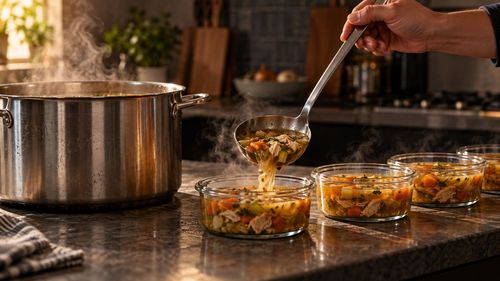
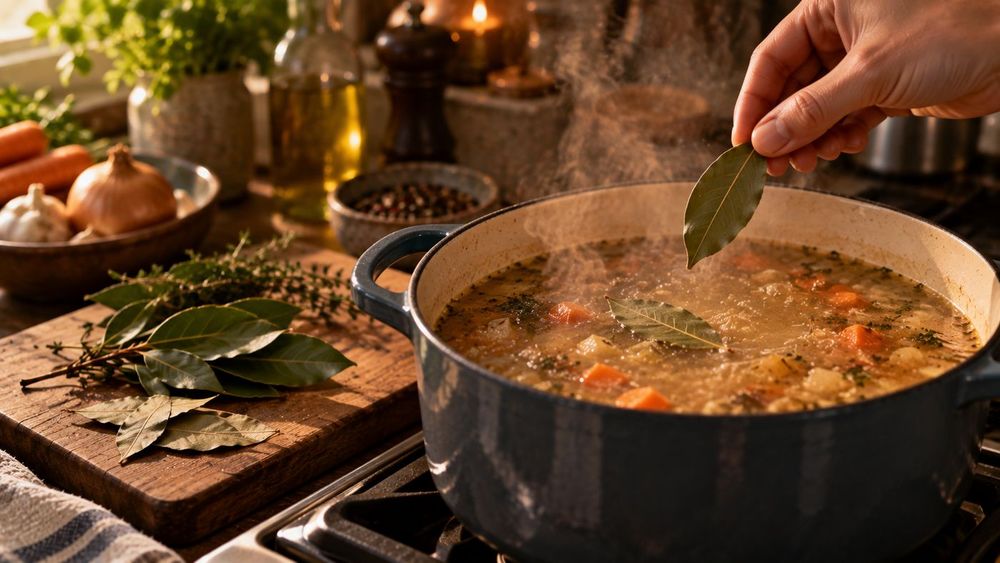
In a quick 15-minute sauté, a bay leaf barely has time to contribute anything noticeable. In a soup, stew, or braise simmering for an hour or more, those compounds have time to build into a subtle background note — not a dominant flavor, but a quiet layer that rounds out the overall dish.
This is part of why bay leaves show up almost exclusively in long-cooked dishes and almost never in quick ones.
Why the Effect Is So Easy to Miss
Bay leaf's contribution isn't designed to be identified individually. It's designed to blend into the background, supporting other flavors rather than announcing itself the way garlic or chili does.
Chefs sometimes describe this kind of ingredient as working on "roundness" or "depth" rather than a specific, nameable taste. Removing it from a recipe someone's made a hundred times often produces a dish that tastes slightly flatter or less complete — even if the person couldn't identify exactly what changed.
Ingredients that work this quietly tend to get underestimated, precisely because their success looks like the absence of a problem rather than the presence of a flavor.
Why Fresh Bay Leaves Are So Much Stronger Than Dried
Part of the ongoing debate comes from a real difference in potency: fresh bay leaves carry noticeably more of their aromatic oils than dried ones, which lose potency in storage the same way other dried herbs and spices do.
A recipe using fresh bay leaf can taste meaningfully different from the same recipe using a dried leaf that's been sitting in a spice cabinet for two years. Some of the "bay leaves do nothing" skepticism likely traces back to old, faded dried leaves that had already lost most of what they were supposed to contribute.
How to Actually Test This for Yourself
The debate is easy enough to settle firsthand, without relying on anyone else's opinion.
Make a simple broth or tomato sauce split into two pots, identical except for a bay leaf in one
Let both simmer for at least 45 minutes to give the compounds time to develop
Remove the leaf and taste both side by side, focusing on overall roundness rather than a specific "bay flavor"
Try the same test with a fresh bay leaf if dried ones haven't shown a clear difference
Side-by-side comparison tends to reveal a subtle but real difference that's much harder to notice when only one version is ever tasted.
The Takeaway
Bay leaves were never meant to be a bold, identifiable flavor. They were meant to work quietly, over time, in the background of dishes that give them enough time to actually do their job.
The debate over whether they "do anything" mostly comes down to testing them the wrong way — tasted alone, added too late, or too faded from time in the cabinet to have much left to give.
Given the right conditions, that unassuming leaf is doing more than it usually gets credit for.