
There is a way of eating that has been studied more extensively than almost any other dietary pattern in the world — not because it was designed by nutritionists or developed in response to a specific health crisis, but because the people who practiced it happened to live longer and get sick less often than almost anyone else on earth.
The researchers who noticed this in the 1950s and 1960s were not looking for a diet. They were looking at population health data — at rates of heart disease, cancer, and chronic illness across different regions and different countries — and they kept finding the same unexpected result.
The people of the Mediterranean basin — particularly those in Crete, in southern Italy, in Greece and Spain and southern France — were eating in ways that contemporary nutritional science would have predicted to be problematic. They were consuming significant amounts of fat. They were drinking wine. They were eating bread and pasta and legumes in quantities that the low-carbohydrate movements of subsequent decades would have condemned. And they were, by any measurable standard of health and longevity, thriving.
What these researchers found was not a diet in the contemporary sense — not a prescribed pattern of specific foods in specific quantities designed to produce specific health outcomes. What they found was a way of life that organized itself around the table, around seasonal and local ingredients, around the specific rhythms of the Mediterranean year and the specific pleasure of eating well as a daily practice rather than an occasional indulgence.
This way of eating is not the proprietary intellectual property of the Mediterranean basin. It is not inaccessible to people who live elsewhere or who have access to different ingredients. It is a set of principles — about what to eat, how to eat it, and what role the table plays in daily life — that can be practiced anywhere by anyone willing to understand what it actually is.
What the Mediterranean Diet Actually Is
The specific dietary pattern that researchers identified in the Mediterranean populations of the 1950s and 1960s was not a list of superfoods or a set of nutritional targets. It was a pattern — a characteristic way of organizing eating that produced the health outcomes the researchers were observing.
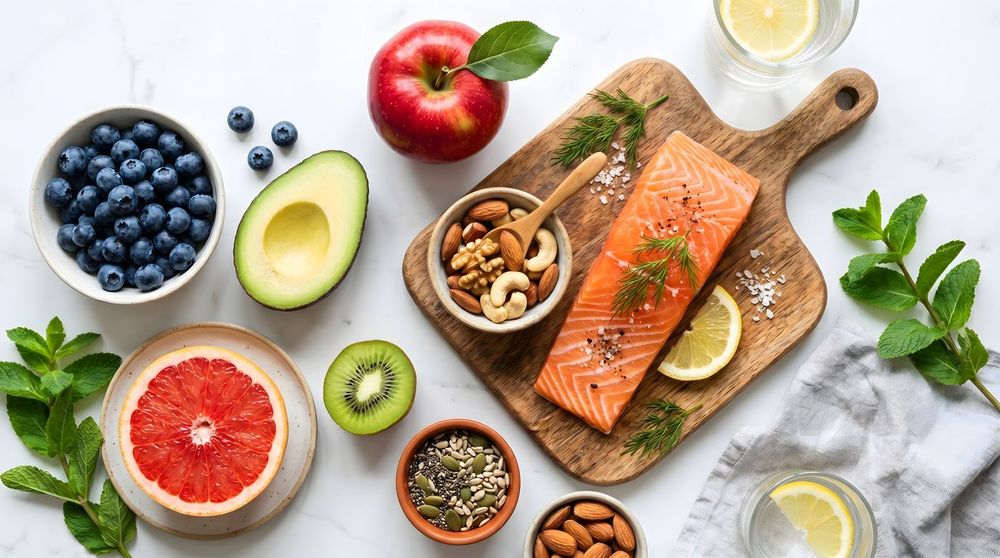
The foundation of this pattern was plant food in abundance. Vegetables — in quantities that contemporary Western eating rarely approaches. Legumes — beans and lentils and chickpeas consumed regularly, as a primary protein source rather than a marginal one. Whole grains — the bread and pasta of the Mediterranean tradition, made from whole or minimally processed grain, providing complex carbohydrates rather than the refined starches that industrial food processing would later produce. Fruit, consumed in season, as a primary source of sweetness rather than added sugar.
Above this plant food foundation, olive oil served as the primary fat — used generously for cooking, for dressing, for finishing, without the calorie-counting that subsequent dietary ideology would impose. Fish and seafood appeared regularly, particularly in coastal communities, providing protein and omega-3 fatty acids. Dairy appeared in the form of yogurt and cheese rather than the butter and cream of Northern European traditions. Meat appeared occasionally rather than at every meal, and in smaller quantities than the Northern European and American patterns that were developing in the same period.
Wine appeared with meals — in moderate quantities, as part of the meal rather than separate from it. And the meal itself was consumed slowly, in company, at a table, as a social occasion rather than a fueling stop.
The specific proportions of these elements varied by country and region and community — the Greek pattern differed from the Italian pattern, which differed from the Spanish pattern. What united them was the plant-food foundation, the olive oil, the legumes, the seasonal eating, and the specific social context of the shared meal.
The Olive Oil That Defines Everything
The Mediterranean diet’s most defining single ingredient — the one that most completely differentiates it from any other dietary pattern — is olive oil.
Not vegetable oil. Not a blend of oils. Olive oil — specifically extra virgin olive oil, produced by mechanical extraction from ripe olives without heat or chemical treatment, preserving the specific polyphenols and oleocanthal and other bioactive compounds that make it not just a fat but a functional food.
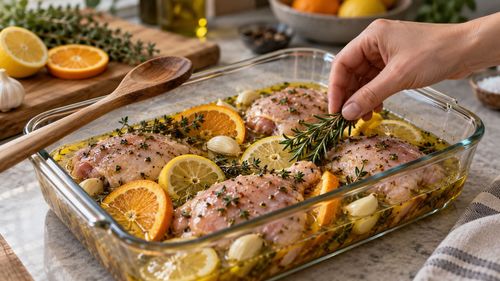
The role of olive oil in Mediterranean cooking is not the role that fat plays in most other culinary traditions. It is not used sparingly, as something to be minimized. It is used generously — for sautéing and roasting and braising, for dressing salads and drizzling over finished dishes, for dipping bread and finishing soups. The specific amounts used in traditional Mediterranean cooking would strike most contemporary health-conscious eaters as excessive. They are not — because the fat in olive oil is primarily monounsaturated, and because the polyphenols in good extra virgin olive oil produce specific anti-inflammatory effects that have been documented in multiple clinical studies.
The specific quality of the olive oil matters as much as the quantity. The olive oil that was used in the communities the researchers studied was the olive oil pressed from olives grown within a short distance of where it was consumed — fresh, high in polyphenols, with the specific peppery finish at the back of the throat that indicates high oleocanthal content. This oil is available — in quality-focused specialty stores, from importers who care about harvest dates and producer relationships — but it requires more attention to purchase than reaching for the largest bottle at the lowest price.
The Vegetable as the Center of the Meal
One of the most significant differences between Mediterranean eating and the dietary patterns that have developed in Northern Europe and North America is the relationship between vegetables and the meal’s other components.
In the Mediterranean tradition, vegetables are not the side dish. They are not the nutritional obligation that accompanies the protein that is the meal’s real content. They are the primary event — the component that receives the most care, occupies the most space on the table, and is treated with the same culinary seriousness that other traditions reserve for protein.
The Greek tradition of ladera — vegetables braised in olive oil until completely tender, the oil absorbing the flavor of the vegetable and becoming itself part of the dish — produces preparations that are both deeply flavorful and completely plant-centered. The Italian tradition of contorni — side dishes of vegetables that are themselves complete preparations rather than afterthoughts — reflects the same understanding of the vegetable as something worth caring about independent of whatever protein it might accompany.
The specific techniques applied to vegetables in the Mediterranean tradition — the slow braise in good olive oil, the charring over direct heat, the marinating in acid and herbs, the layering in a baked preparation — are techniques that take the vegetable seriously as an ingredient rather than treating it as a vehicle for other flavors.
This seriousness produces vegetables that are genuinely delicious — not nutritionally adequate or dutifully consumed but actually, specifically, worth eating for their own sake.
The Legume That Was Never an Afterthought
The role of legumes in the Mediterranean diet is one of the elements most different from contemporary Western eating and most responsible for the specific health outcomes associated with the pattern.
In the traditional Mediterranean diet, legumes appeared multiple times per week — as a primary protein source, as the main event of the meal rather than a supporting character. The pasta e fagioli of the Italian tradition, the Greek fasolada, the Spanish fabada, the Moroccan harira — each of these is a dish in which the legume is the center of the meal, providing complete protein in combination with the grain that accompanies it, significant dietary fiber, and the specific prebiotic compounds that support gut microbiome health.
The specific combination of legumes and olive oil — which appears across every Mediterranean culinary tradition in different forms — is one of the more nutritionally complete and most delicious pairings available in plant-based cooking. The white bean with good olive oil, finished with lemon and herbs. The lentil braised in olive oil with aromatics. The chickpea dressed with tahini and lemon. Each of these is a preparation that is complete in itself — satisfying as a meal without the addition of animal protein — and that carries the specific nutritional profile that population health researchers associate with the Mediterranean diet’s health outcomes.
The Meal as a Social Institution
Of all the elements that distinguish Mediterranean eating from contemporary Western dietary patterns, the most significant and most consistently overlooked is not a food. It is a practice.
The meal as a social institution — the specific commitment to eating together, slowly, with genuine presence, as one of the primary organizing activities of the day — is as much a component of the Mediterranean dietary pattern as olive oil or legumes or vegetables.
The researchers who identified the health benefits of Mediterranean eating consistently noted that the people they were studying did not eat alone at a desk or in a car or in front of a television. They ate at tables, with family or community, over extended periods that allowed both the social and physiological benefits of slow, communal eating to accumulate.
The sobremesa — the Spanish practice of remaining at the table after the meal is finished, continuing the conversation without the eating, honoring the social occasion the meal created — has no direct equivalent in most Northern European or American eating culture. It represents the understanding that the table is not primarily a place where food is consumed but a place where community is maintained, and that the eating is the occasion rather than the purpose.
This practice produces specific health effects that are measurable and documented: lower rates of overeating, better satiety regulation, stronger social bonds, and the specific stress-reduction effects of genuine social connection that eating quickly and alone cannot provide.
The Season as the Menu
The Mediterranean diet as it was originally observed was not a year-round fixed dietary pattern. It was a seasonal one — organized around what the Mediterranean landscape produced at each time of year, with specific foods appearing at their natural peak and disappearing when the season ended.
This seasonality is itself a nutritional strategy, even when it is not consciously practiced as one. The cook who eats what is growing now — who builds the week’s meals around the peak-season produce at the market rather than around a fixed menu that requires specific ingredients regardless of their seasonal state — is eating a diet that is continuously varied in its specific nutritional content, that provides the widest possible range of seasonal phytonutrients, and that naturally minimizes the processed and preserved foods that fill the gap when fresh seasonal produce is not available.
The summer expression of Mediterranean eating is the most vivid and most immediately accessible for cooks in most temperate climates — because the summer produce of any temperate region shares the character of the Mediterranean summer. The tomatoes and the peppers and the eggplant and the zucchini and the fresh herbs that define Mediterranean summer cooking are also the summer produce of gardens and markets in most of North America and Europe.
The cook who eats these vegetables in summer, dressed with good olive oil and good vinegar, accompanied by legumes and good bread and finished with fresh fruit — is eating in the spirit of the Mediterranean tradition even without any of the specific regional recipes that are usually associated with it.
The Takeaway
The Mediterranean way of eating is not a diet to be followed. It is a relationship with food to be cultivated — one that treats the meal as a social occasion, vegetables as the center of the plate, olive oil as the primary fat, legumes as a regular protein source, and the seasonal ingredient as the primary determinant of what gets cooked.
These are not Mediterranean values. They are simply good values — ones that the populations of the Mediterranean basin developed through centuries of eating what their land produced, in the company of people they cared about, without the mediation of the industrial food system that subsequent generations would navigate.
The summer table is the best possible moment to practice them — when the produce is at its peak, the days are long enough to linger, and the specific pleasure of eating simply and well in the warmth of a summer evening is available to anyone who is willing to put the right things on the table.
Set it. Fill it. Stay at it.
The Mediterranean way of eating begins exactly there.