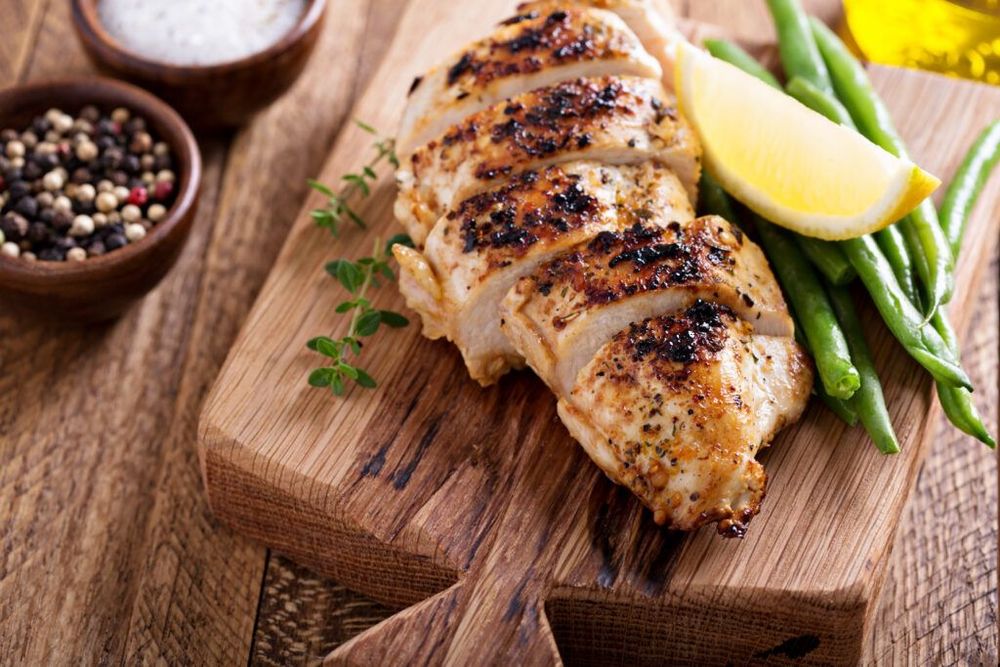

Chicken breast at a restaurant is tender and juicy.
At home, it’s dry. Stringy. You need sauce just to get it down.
You’ve tried everything. Lower heat. Higher heat. Shorter cooking times. Nothing seems to work consistently.
It’s not that you’re a bad cook. It’s that chicken breast is unforgiving, and most people don’t know the specific techniques that make it work.
Chefs do. That’s why their chicken always turns out right.
It’s Overcooked By the Time You Think It’s Done
Most people cook chicken breast until it’s white all the way through with no pink anywhere.
That’s overcooked.
Chicken is safe to eat at 165°F. But most home cooks don’t use a thermometer—they just keep cooking until they’re sure it’s done.
By then, the internal temperature is often 180°F or higher. At that temperature, the proteins have contracted so much they’ve squeezed out all their moisture.
Chefs pull chicken off the heat at 160°F. Carryover cooking brings it to 165°F while it rests. It stays juicy because it was never cooked past the safe minimum.
You can’t eyeball this. You need a thermometer. That’s the single biggest difference between juicy chicken and dry chicken.
The Thickness Is Uneven
A chicken breast is thick at one end and thin at the other.
By the time the thick part is cooked through, the thin part is overdone.
Chefs fix this by pounding chicken to even thickness before cooking. Every part of the breast is the same size, so everything cooks at the same rate.
This takes thirty seconds with a meat mallet or the bottom of a heavy pan.
Skip this step and you’re guaranteed uneven results. The thin end will always be dry while you wait for the thick end to finish.
It Goes Straight From the Fridge to the Pan
Cold meat cooks unevenly.
The outside overcooks while the inside is still trying to come up to temperature. By the time the center reaches 165°F, the exterior is well past it.
Chefs let chicken sit at room temperature for twenty to thirty minutes before cooking.
This allows the meat to cook more evenly. The inside and outside reach the target temperature at roughly the same time.
It’s a small step that makes a significant difference in texture and juiciness.
They Brine or Salt Ahead of Time
Unseasoned chicken tastes bland and dry, even when cooked properly.
Chefs either brine chicken in saltwater or dry-brine it by salting it an hour or more before cooking.
Salt changes the protein structure. It helps the meat retain more moisture during cooking. It also seasons the chicken all the way through, not just on the surface.
The result is chicken that’s both more flavorful and more forgiving. It stays juicy even if you slightly overcook it.
Most home cooks season right before cooking. That’s better than nothing, but it doesn’t have the same effect.
The Pan Is Overcrowded
You’re cooking chicken for four people, so you put all four breasts in the pan at once.
The pan temperature drops. The chicken steams instead of browns. Moisture pools around the meat.
Chefs cook in batches. Two breasts at a time in a large pan. Sometimes just one if it’s particularly thick.
This keeps the pan hot enough to actually sear the chicken. That sear locks in moisture and creates flavor.
Crowding sacrifices both. The chicken takes longer to cook and turns out worse.
They Don’t Rely on Pan-Cooking Alone
Restaurants often use a combination method: sear the chicken in a pan to develop color and flavor, then finish it in the oven.
This gives you the best of both. The high heat of the pan creates a crust. The even, moderate heat of the oven gently brings the interior to temperature without drying out the exterior.
At home, people usually try to do everything in the pan. This works for thin cutlets, but for thicker breasts, it often means choosing between a burnt exterior or a raw center.
The oven solves that problem. Sear for two minutes per side, then transfer to a 400°F oven for eight to twelve minutes. Check with a thermometer. Done.
Resting Isn’t Optional
Most people cut into chicken the moment it comes off the heat.
All the juices run out onto the cutting board. The meat looks and tastes dry because you’ve literally drained the moisture out of it.
Chefs rest chicken for five to ten minutes before slicing.
During that time, the juices redistribute throughout the meat. The fibers relax. When you cut into it, the moisture stays inside where it belongs.
This applies to all meat, but it’s especially important for lean cuts like chicken breast that don’t have much fat to keep them moist.
They Use a Meat Thermometer Without Shame
There’s a perception that experienced cooks don’t need thermometers. They just “know” when meat is done.
That’s mostly nonsense.
Professional kitchens use thermometers constantly. The stakes are too high to guess. Undercooked chicken is a liability. Overcooked chicken is a waste.
Thermometers remove the guesswork. You know exactly when to pull the chicken. No cutting into it to check. No anxiety about whether it’s safe. No dry, overcooked meat.
If you’re not using one, you’re making chicken harder than it needs to be.
The Heat Level Is Wrong
High heat seems like the right choice for getting a good sear.
But chicken breast is lean and cooks quickly. High heat often burns the outside before the inside is done.
Chefs use medium to medium-high heat. Hot enough to brown, but not so hot that the exterior overcooks while waiting for the center.
This gives you better control and more even cooking.
Blasting chicken on high heat works if it’s very thin. For normal-sized breasts, it’s usually too aggressive.
Pounding Creates Tenderness
Beyond evening out thickness, pounding chicken breaks down some of the muscle fibers.
This makes the meat more tender. It also creates more surface area, which means more flavorful crust when you sear it.
Restaurants do this as standard prep. It’s built into their process.
Home cooks usually skip it because it seems like extra work. But it takes less than a minute and the difference in texture is real.
Marinades Are Overrated, But Not Useless
Marinades don’t penetrate deeply into meat. Most of the flavor stays on the surface.
But they do add moisture and help prevent the exterior from drying out during cooking.
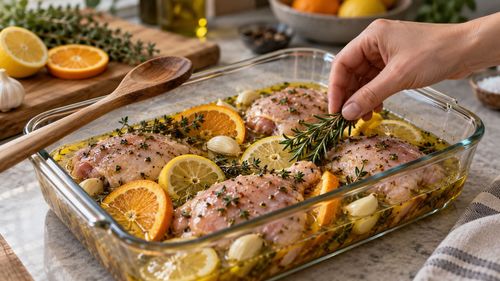
Chefs use marinades strategically—usually with some acid, fat, and salt. They don’t expect the marinade to flavor the whole breast, just to improve the texture and add surface flavor.
Most importantly, they don’t marinate for days. An hour is usually enough. Too long and the acid can make the texture mushy.
Dark Meat Is More Forgiving
This isn’t about cooking technique, but it’s worth knowing: chicken thighs are much harder to overcook than breasts.
They have more fat and connective tissue. They stay moist even when cooked well past 165°F.
If you consistently struggle with dry chicken breast, consider switching to thighs. They’re more flavorful, less expensive, and much more forgiving.
Chefs often prefer thighs for exactly these reasons. Chicken breast is lean and healthy, but it requires precision to cook well.
Carryover Cooking Is Real
Chicken doesn’t stop cooking when you remove it from heat.
The residual heat continues raising the internal temperature for several minutes. This can add five to ten degrees.
Chefs account for this. They pull chicken at 160°F, knowing it will coast to 165°F during the rest period.
Home cooks often wait until it hits 165°F on the stove, then let it rest. By the time they eat it, the internal temperature is 175°F and the meat is dry.
Understanding carryover cooking is what allows you to serve chicken that’s perfectly cooked instead of just barely safe.
What You Can Do Tonight
Take chicken out of the fridge thirty minutes before cooking. Pound it to even thickness.
Season generously with salt—or better yet, salt it an hour ahead if you have time.
Heat your pan to medium-high. Sear the chicken for two to three minutes per side until golden.
Transfer the pan to a 400°F oven. Cook until an instant-read thermometer reads 160°F in the thickest part.
Remove from the oven. Let it rest for five minutes.
Slice and serve.
That’s the technique. That’s what produces juicy chicken every time.
The Takeaway
Juicy chicken breast isn’t about luck or expensive ingredients.
It’s about understanding the specific points where home cooks go wrong—and doing the opposite.
Use a thermometer. Pound to even thickness. Don’t overcrowd. Let it rest. Pull it early and let carryover cooking finish the job.
These aren’t advanced techniques. They’re basics that professionals follow because they work.
And once you start doing them, dry chicken becomes a thing of the past.
Not occasionally. Every single time.