
There is an element of the summer meal that receives a fraction of the attention given to the food it accompanies.
Not the wine, which has its own extensive discourse and its own dedicated culture of selection and pairing and evaluation. Not the cocktail, which has experienced its own serious revival and its own community of devoted practitioners.
The everyday summer drink. The thing that is in the glass at lunch, at the outdoor dinner, at the afternoon table where something cold and good is wanted and the question of what that something should be deserves more thought than it usually receives.
The glass of water. The iced tea. The lemonade. The sparkling water with something added to it. The cold brew coffee that serves as the afternoon transition between the morning and the evening. The shrub diluted over ice that is neither juice nor cocktail but something more interesting than either. The agua fresca made from whatever fruit is at its peak.
These are the drinks of the summer table — not the special occasion beverages but the daily ones, the ones consumed in the largest quantities across the most meals of the season. And they deserve, in proportion to their presence in the summer eating life, more attention than they typically receive.
The Problem With the Default Drink
The default summer drink — the thing that appears in the glass when no thought has been given to what should appear there — is almost always one of two things: water, which is correct but unremarkable, or a sweetened commercial beverage of some kind, which is neither correct nor remarkable and which adds a significant quantity of sugar to the meal without adding a proportionate quantity of pleasure.
The sweetened commercial beverage — the soda, the sweetened iced tea, the juice drink — is the path of least resistance in a hot kitchen when thirst is present and the energy for deliberate choice is absent. It requires no preparation, no thought, and no particular engagement with what is being drunk. And it delivers, in exchange for this convenience, a hit of sweetness that satisfies thirst temporarily while frequently creating the conditions for more thirst — the high sugar content raising the osmotic pressure of the blood in a way that stimulates rather than relieves the thirst response.
The deliberate summer drink — the one that was considered and prepared with some intention — is not more difficult to produce in most cases. It is simply the result of having thought about it, which is the first and most significant investment it requires.
Water as a Starting Point and an Endpoint
Water deserves more attention than it receives — not as a blank or neutral backdrop for other flavors but as an ingredient in its own right with specific qualities that affect the drinking experience and that can be enhanced without losing the fundamental quality of clean, pure hydration that makes water irreplaceable.
The temperature of water affects how it is experienced as much as the temperature of food affects the eating experience. Extremely cold water — ice water at just above freezing — numbs the mouth slightly and suppresses the perception of its own character. Water at approximately fifty to fifty-five degrees Fahrenheit — cold but not ice cold — is perceived as more flavorful and more refreshing than either ice water or room temperature water. This is the temperature at which spring water is naturally encountered, and the specific pleasure that spring water drunk cold from the source produces is partly a temperature effect rather than purely a mineral one.
The mineral content of water — the specific dissolved minerals that give different waters their different characters — is a flavor variable that most people acknowledge in the context of wine or coffee or tea but rarely consider in the context of the water itself. Hard water, with its high calcium and magnesium content, tastes different from soft water. The specific character of a regional water supply — whether it produces a crisp, clean water or a slightly rounded one — affects the flavor of everything made with it, from the ice in the glass to the tea steeped in it.
The infused water — fruit or vegetable or herb added to cold water and allowed to steep for several hours — is one of the most accessible and most elegant summer drink preparations available. Sliced cucumber in cold water. A few sprigs of mint with a squeeze of lime. Sliced citrus and a handful of fresh basil. Each of these transforms plain water into something that is still fundamentally hydrating but that has acquired a specific flavor character from the infusion — a freshness and an interest that plain water doesn’t provide.
The Iced Tea Worth Making
The iced tea available from commercial sources — the bottled varieties that line grocery store shelves and the sweetened versions that accompany fast food meals — shares a name with genuinely excellent homemade iced tea and very little else.
Genuinely excellent iced tea begins with genuinely excellent tea — a specific varietal or blend chosen for how its character translates to the iced and diluted form in which it will be consumed. The black teas that produce the most satisfying iced tea are the bold, malty varieties — Assam, Ceylon, certain Kenyan teas — that have enough character to survive the dilution of melting ice while producing a refreshing rather than astringent result. Green teas and white teas produce lighter, more delicate iced teas that are their own category — less immediately bold but with a specific freshness that black tea iced tea doesn’t have.
The cold brew method — steeping tea in cold water in the refrigerator for eight to twelve hours rather than brewing with hot water and chilling — produces a consistently smoother and less astringent result than hot-brewed-then-chilled tea, because the cold water extracts the flavor compounds more slowly and selectively, leaving behind many of the bitter compounds that hot water extracts aggressively.
The sweetening, if any, should happen while the tea is still warm — sugar dissolves in warm liquid and not in cold, which is why adding sugar to already-cold iced tea produces an inadequate and uneven result. Simple syrup — sugar dissolved in an equal weight of warm water — is the practical solution for adding sweetness to cold tea after the fact.
The additions that transform good iced tea into something more specific are worth knowing. Fresh mint. A squeeze of lemon. A slice of peach in the glass. A few drops of rosewater for a specific floral quality that pairs unexpectedly well with black tea. Each of these is a small addition that changes the character of the drink in a specific and intentional direction.
The Lemonade That Actually Satisfies
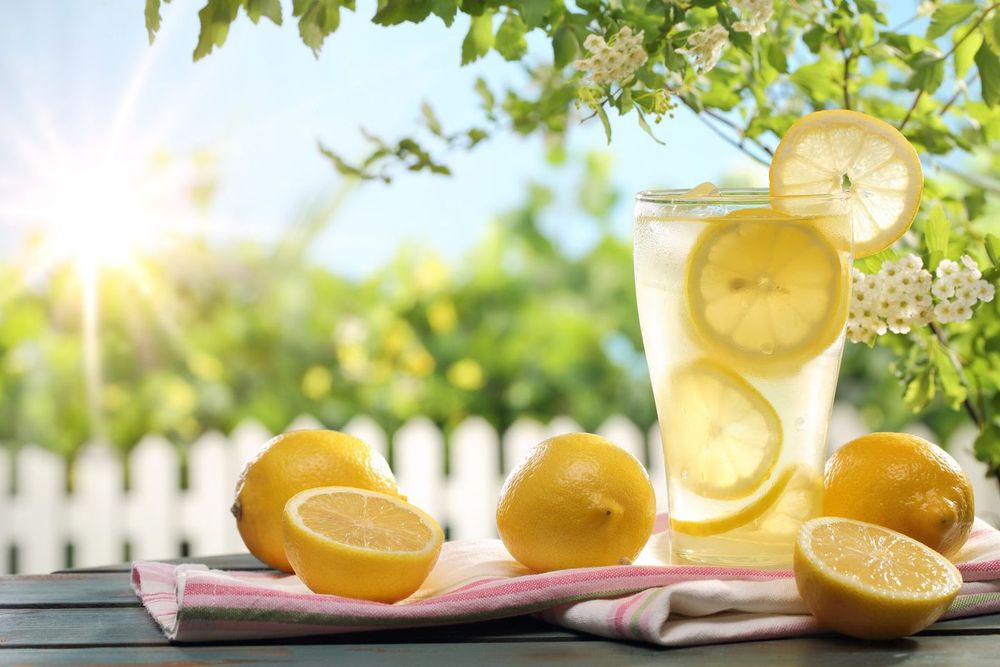
The lemonade sold commercially — the sweetened, yellow liquid that approximates the flavor of lemon without achieving it — shares the same name as genuinely excellent lemonade and produces a fraction of the satisfaction.
Genuinely excellent lemonade requires three things: fresh lemon juice, simple syrup in the right quantity, and cold water in the right dilution. The freshness of the lemon juice is not negotiable — the bottled lemon juice that convenience makes tempting has lost most of the volatile aromatic compounds that make fresh lemon juice vivid and bright. These compounds begin dissipating the moment the lemon is cut, which is why the best lemonade is made and consumed the same day.
The ratio of lemon to sugar to water is the specific variable that separates the lemonade that satisfies from the one that merely quenches — and it is a ratio that most people have never calibrated precisely because they have never made lemonade from scratch with the specific intention of getting it right.
The starting ratio that most produces genuinely satisfying lemonade: one part fresh lemon juice, one part simple syrup, four to six parts cold water, adjusted to taste. The key insight is that the ratio should be calibrated by tasting the lemonade before it is chilled — because cold suppresses the perception of both sweetness and acidity, meaning that the lemonade that tastes slightly too sweet and slightly too sour at room temperature will taste correctly balanced when cold.
The variations on the simple lemonade formula that are worth exploring: sparkling water in place of still for effervescence. Fresh herbs — lavender, rosemary, basil, mint — steeped in the simple syrup before mixing. Fresh fruit — crushed strawberries, muddled cucumber, blended watermelon — added to the mixture for a flavored lemonade that uses the season’s abundance. Each of these is a small elaboration that produces a significantly different drink from the same basic formula.
The Shrub: The Most Interesting Summer Drink Nobody Has Heard Of
The shrub — the drinking vinegar that combines fruit, sugar, and good vinegar into a concentrated syrup that is diluted with still or sparkling water to produce a drink — is one of the oldest and most interesting non-alcoholic summer beverages available and one of the least known in contemporary food culture.
The shrub has a history that predates refrigeration — it was developed as a preservation technique for fruit, the vinegar acting as a preservative that extended the usefulness of fruit past its fresh peak. The resulting syrup, diluted with water, was drunk as a refreshing and slightly sour beverage that provided both hydration and the flavor of the preserved fruit.
The contemporary shrub — made from peak-season summer fruit, sugar, and good cider vinegar or wine vinegar — is a preparation that takes twenty minutes to make and produces a concentrated syrup that lasts for months in the refrigerator, providing the basis for a summer drink that is unlike anything commercially available.
The specific flavor of a well-made shrub is difficult to describe to someone who has not encountered it. It is sweet and sour simultaneously — the fruit’s sweetness and the vinegar’s acidity combined in a ratio that neither dominates — with the specific flavor of the fruit concentrated by the sugar maceration and carrying through the vinegar’s sharpness. Diluted over ice, it is one of the most refreshing drinks available in the summer heat — the acidity doing for thirst what nothing purely sweet can do, cutting through and genuinely satisfying rather than stimulating further thirst.
The summer fruits that produce the best shrubs are the ones with the most vivid flavor — the raspberry, the peach, the blackberry, the blueberry, the fig. Each produces a distinctly different drink. Each can be made in an afternoon from whatever is at peak quality this week.
The Agua Fresca as a Philosophy
The Mexican tradition of agua fresca — the lightly flavored, barely sweetened water made from fresh fruit or flowers or seeds — is perhaps the most elegant expression of the summer drink philosophy available in any culinary tradition.
The agua fresca is not juice. It is not a smoothie or a blend. It is water — the fundamental hydrating beverage — that has been flavored with the essence of a seasonal ingredient through the specific technique of blending and straining that leaves the water light and translucent rather than thick.
The watermelon agua fresca — blended watermelon strained through a fine mesh strainer, diluted with a small amount of water and a small amount of lime juice, served over ice — is the paradigmatic summer agua fresca: the specific sweetness of peak-season watermelon distributed through water, the lime providing the acid that makes the sweetness vivid rather than flat, the result being something that tastes of pure summer watermelon while drinking with the lightness of water rather than the density of juice.
The cucumber agua fresca — blended cucumber with lime and mint, strained and served cold — is the most cooling of the summer agua frescas, the cucumber’s specific quality of freshness and the mint’s menthol producing a drink that feels actively cooling beyond its simple cold temperature.
And the hibiscus agua fresca — dried hibiscus flowers steeped in hot water and then chilled, sweetened lightly and served over ice — is the most dramatic in color and the most specifically flavored: a deep magenta drink with a tartness that is unlike any other summer beverage and that satisfies a specific thirst that sweetness alone does not address.
The Coffee That Belongs to August
Cold brew coffee — the preparation of coffee steeped in cold water for twelve to twenty-four hours and then strained — deserves specific mention as one of the most satisfying and most specifically summer beverages available from ingredients that are present in most kitchens year-round.
The cold brew prepared at home from genuinely good coffee is a different product from the cold brew purchased commercially — not because the preparation is different but because the starting material is fresher and more specific to the preparer’s preference. A medium-roast coffee that produces a clean, bright cold brew. A darker roast that produces something richer and more chocolatey. A naturally processed Ethiopian coffee that produces a cold brew with specific fruit notes that the same coffee brewed hot doesn’t quite deliver in the same way.
The cold brew concentrate — made with a higher coffee-to-water ratio than the drinking-strength version — stores in the refrigerator for two weeks and can be diluted to order, providing a ready-made excellent coffee drink at any moment without requiring a brewing session.
Served over ice with a small amount of milk — or over ice with sparkling water for a coffee soda that is one of the most refreshing summer coffee preparations available — the cold brew is the August afternoon drink that no other summer beverage quite replaces.
The Takeaway
The summer drink is not an afterthought. It is the element of the summer meal that is consumed in the greatest quantity, that has the most continuous presence at the summer table, and that deserves the same quality of thought that the food it accompanies receives.
Make the infused water. Brew the iced tea with the cold brew method and add the mint and the lemon. Make the lemonade from fresh juice and calibrate the ratio to actual taste. Try the shrub. Make the agua fresca from whatever is at its best this week.
The glass matters as much as the plate.
Fill it with something worth drinking.