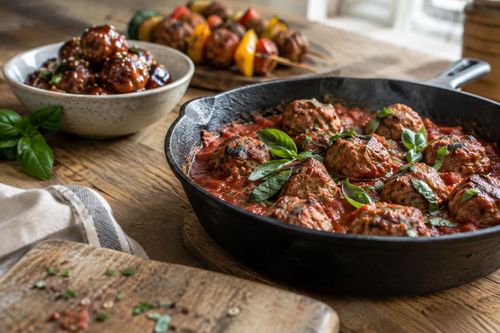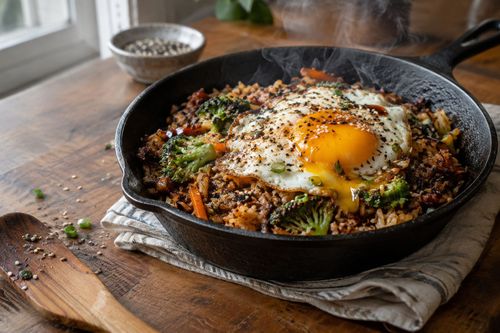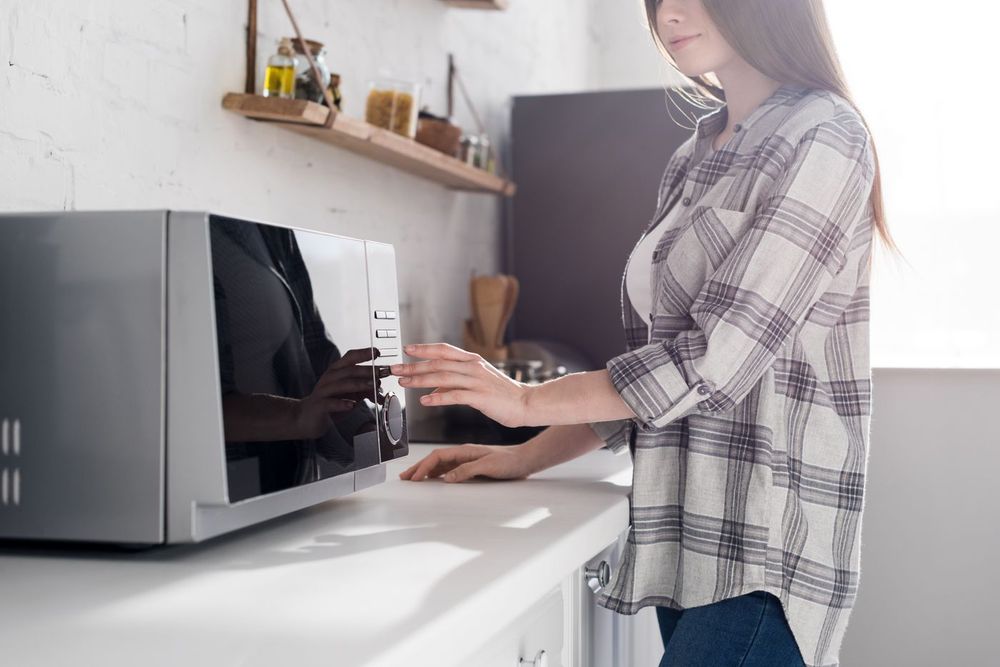

You have leftovers from last night’s dinner.
They were great fresh. Restaurant-quality, even.
You reheat them the next day and they’re disappointing. Dry. Rubbery. Flavorless. Nothing like they were originally.
You assume leftovers just taste worse. That there’s no way around it.
But restaurants serve reheated food constantly. Day-old soup. Pre-cooked proteins finished to order. Sides made in batches and reheated for service.
And it tastes good. Sometimes indistinguishable from fresh.
The difference isn’t better ingredients or commercial equipment. It’s understanding what happens to food during reheating and using the right method for each type of food.
Most people use the microwave for everything. That’s the problem.
The Microwave Isn’t Universal
Microwaves work by heating water molecules. This creates steam, which can make certain foods soggy or rubbery.
For some foods, microwaves work fine. For others, they destroy texture completely.
Reheating pizza in the microwave makes the crust soggy and the cheese rubbery. Reheating fried chicken turns the coating limp. Reheating steak makes it gray and tough.
Chefs rarely use microwaves for reheating. They choose methods based on what they’re reheating and what texture they’re trying to preserve.
Home cooks default to microwaving everything because it’s fast and convenient. But convenient doesn’t mean best.
Different foods require different reheating methods. There’s no one-size-fits-all approach.
Oven Reheating Preserves Texture
For foods that should be crispy or have texture contrast—pizza, fried foods, roasted vegetables, baked pasta—the oven is almost always better than the microwave.
The dry heat of the oven re-crisps exteriors while warming interiors. A pizza slice comes out with crispy crust and melted cheese. Fried chicken regains its crunch.
Microwaving these same foods makes them soggy because the steam from heated water molecules saturates everything.
Chefs reheat most foods in ovens. Yes, it takes longer—10 to 15 minutes instead of 2. But the texture difference is dramatic.
Home cooks microwave because they want food now. The food suffers.
If you have 10 minutes, use the oven. Your leftovers will actually taste good instead of just edible.
Low and Slow Prevents Overcooking
The biggest mistake people make when reheating—whether in oven or microwave—is using too much heat.
High heat overcooks the exterior while the interior is still cold. Proteins toughen. Edges dry out.
Chefs reheat at low temperatures. 300°F to 325°F for ovens. Medium-low for stovetops. 50% power for microwaves when they must use them.
This gentle heating warms food through without continuing to cook it. Everything reaches temperature evenly.
Home cooks often reheat at high temperatures because they’re impatient. The outside gets too hot while the inside stays cold. They end up with food that’s simultaneously overcooked and underheated.
Be patient. Use lower heat. It takes longer but produces dramatically better results.
Adding Moisture Prevents Drying
Many foods dry out during initial cooking. Reheating makes this worse.
Adding a small amount of liquid during reheating prevents further drying and can even restore some moisture.
For rice, pasta, or grain dishes, add a tablespoon or two of water or broth before reheating. Cover while reheating. The added moisture steams the food gently and prevents it from drying out further.
For proteins, a splash of sauce, broth, or even water helps. Cover while reheating to trap moisture.
Chefs always add liquid when reheating starches or proteins. They know dry food gets drier during reheating without intervention.
Home cooks reheat dry food as-is and wonder why it comes out even drier.
Add liquid. Cover while reheating. The food will retain more moisture and taste fresher.
Covering Traps Steam
Covering food while reheating creates a steaming environment that helps food heat evenly and prevents surface drying.
This is especially important for rice, pasta, casseroles, and saucy dishes.
Chefs cover food with foil, lids, or microwave-safe covers. They want that steam to do its work.
Home cooks often reheat food uncovered. The surface dries out and forms a skin. The food tastes reheated instead of fresh.
Cover your food. Use foil in the oven. Use a plate or microwave cover in the microwave. Keep that moisture in.
Stovetop Is Best for Saucy Dishes
Pasta with sauce, stir-fries, curries—anything with a sauce component—reheats best on the stovetop.
Add the food to a pan with a splash of liquid. Heat gently over medium-low, stirring occasionally. The sauce comes back to life. Everything heats evenly.
This method gives you control. You can taste and adjust seasoning. You can add more liquid if needed. You can see when it’s properly heated.
Microwaving saucy dishes often creates hot spots and cold spots. The sauce separates. The texture suffers.
Chefs reheat saucy dishes on the stovetop almost exclusively. It produces superior results with minimal effort.
Home cooks microwave because it seems easier. But stirring food on a pan for 5 minutes is barely more work and produces food that actually tastes good.
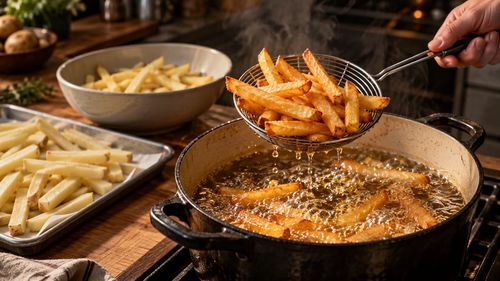
Fried Foods Need to Be Re-Crisped
Fried chicken, french fries, fried fish—the coating or exterior is what makes these foods special.
Microwaving destroys that texture immediately. The coating steams and turns soggy.
The only way to reheat fried foods properly is in the oven or toaster oven, uncovered, at moderate heat.
350°F to 375°F. Place food on a wire rack over a baking sheet so air circulates around it. Heat until crispy and warm throughout—usually 10 to 15 minutes.
Restaurants do this constantly. They par-fry items earlier in the day and finish them in the oven when ordered.
Home cooks microwave fried leftovers and are disappointed when they’re soggy. There’s no other possible outcome with that method.
Fried foods require the oven. Accept that it takes time. The texture is worth it.
Sliced Meat Dries Out Fast
Reheating whole pieces of meat is one thing. Reheating sliced meat is another.
Sliced meat has more surface area exposed. It dries out much faster during reheating.
The solution is to reheat sliced meat in liquid or sauce. The liquid protects the meat from drying while bringing it to temperature.
Pour gravy, sauce, or broth over sliced meat. Cover and reheat gently in the oven or on the stovetop. The meat stays moist because it’s protected by liquid.
Chefs always reheat sliced meat in sauce or jus. They know exposed meat dries immediately.
Home cooks often reheat plain sliced meat—turkey, roast beef, pork—with no protection. It comes out dry and tough no matter how carefully they reheat it.
Add sauce or gravy. It’s not optional if you want moist meat.
Stir Periodically for Even Heating
Whether using stovetop, oven, or microwave, stirring or rotating food during reheating ensures even temperature distribution.
Microwaves especially have hot and cold spots. Without stirring, some parts are scalding while others are cold.
Ovens have temperature variations too. Rotating the pan halfway through helps.
Chefs check and stir food during reheating. They don’t just set it and forget it.
Home cooks often put food in the microwave or oven and don’t touch it until the timer goes off. The heating is uneven. Some parts are overheated, some underheated.
Pause halfway through. Stir or rotate. Check temperature. This creates more even results.
Let It Rest After Reheating
Just like freshly cooked food, reheated food benefits from a brief rest.
This allows heat to distribute evenly and prevents the first bite from burning your mouth while later bites are lukewarm.
For oven-reheated foods especially, let them sit for 2 to 3 minutes after removing from heat. The temperature will equalize.
Chefs factor this rest time into their plating process. Food comes out of the oven, rests while they plate sides, then goes to the table at an ideal temperature.
Home cooks often eat food immediately after reheating. The first bites are too hot, the last bites are already cooling.
Give it a minute. Let temperature stabilize. The eating experience is better from first bite to last.
Some Foods Don’t Reheat Well
Not everything can be successfully reheated.
Fried eggs. Soft scrambled eggs. Delicate fish. Crispy salads. Fresh herbs.
These are best eaten fresh or not eaten at all. Reheating destroys what makes them appealing.
Chefs know this. They don’t try to reheat foods that won’t work. They plan menus around what holds and reheats well.
Home cooks sometimes try to reheat everything, then are disappointed when certain foods turn out terrible.
Accept that some things are one-time foods. Make smaller portions if you know something won’t reheat well. Don’t try to force it.
The Microwave Still Has a Place
Microwaves aren’t useless. They’re just not universal.
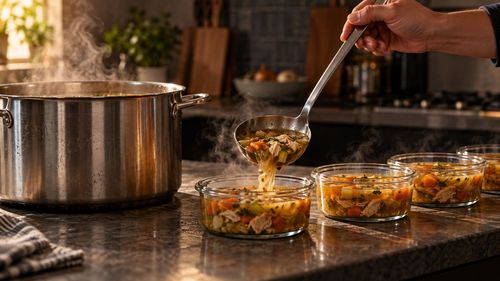
They work well for: soups, stews, beverages, steamed vegetables, oatmeal, and anything where you don’t care about texture remaining crispy.
For these foods, the microwave is fast and effective. Use it.
Just don’t use it for pizza, fried foods, roasted meats, or anything where texture matters.
Chefs use microwaves strategically. They know when it’s appropriate and when it’s not.
Home cooks use microwaves indiscriminately. Sometimes it works, sometimes it doesn’t, and they don’t understand why.
Match the method to the food. That’s the key.
What You Should Do Tomorrow
When reheating pizza or fried foods, use the oven at 350°F. Put them on a rack for air circulation.
When reheating rice, pasta, or grains, add a splash of liquid and cover.
When reheating saucy dishes, use the stovetop over medium-low heat with added liquid if needed.
When reheating sliced meat, do it in sauce or gravy.
When using the microwave for appropriate foods, use 50% power and stir halfway through.
These method changes will transform your leftovers from disappointing to actually good.
The Takeaway
Bad leftovers aren’t inevitable.
They’re the result of using the wrong reheating method. Usually microwaving things that should be reheated in the oven or on the stovetop.
Restaurants serve reheated food that tastes fresh because they choose appropriate methods for each type of food.
Oven for crispy things. Stovetop for saucy things. Added liquid for dry things. Covering for moisture retention. Low heat to prevent overcooking.
Home cooks microwave everything and wonder why it’s disappointing.
But now you know what to do differently.
Use the right method for each food. Add moisture where needed. Reheat gently at lower temperatures.
Do that and your leftovers will finally taste worth eating.
Not just edible. Actually good.
The way they should be.