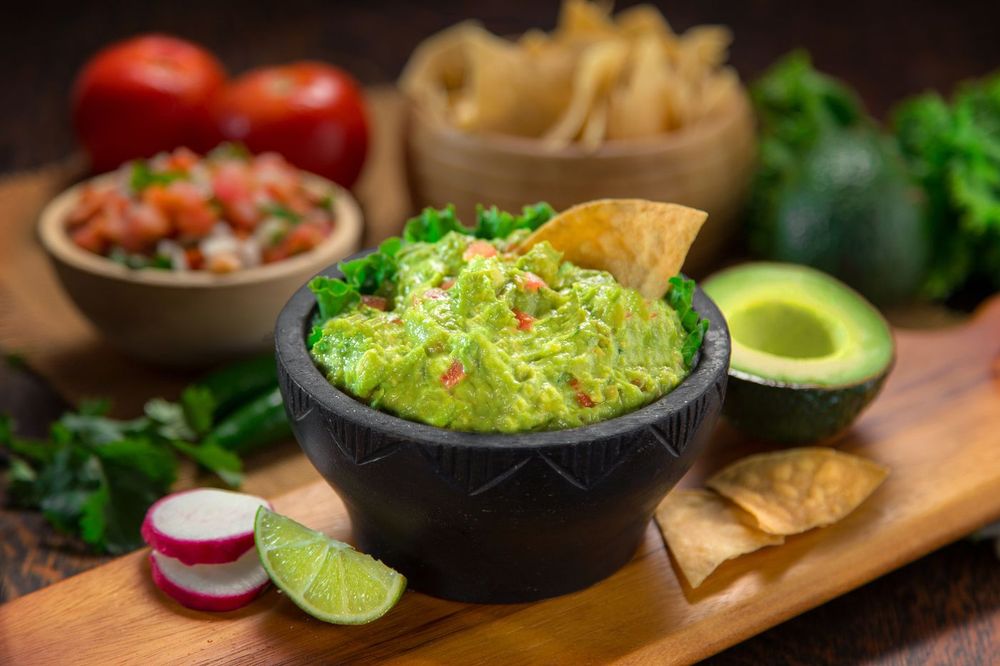

You make guacamole.
It looks perfect. Bright green. Fresh. Exactly what you want.
An hour later, it’s brown. Oxidized. Unappealing. Still edible, but no one wants to eat it.
You’ve tried everything. Plastic wrap pressed directly on the surface. Adding extra lime juice. Keeping the pit in the bowl.
Nothing works. The guacamole browns anyway.
Meanwhile, restaurants serve guacamole that stays green for hours. They make it ahead for service and it still looks fresh when it reaches your table.
The difference isn’t magic or special avocados.
It’s understanding what actually causes browning and using methods that work instead of old wives’ tales that don’t.
The Pit Doesn’t Do Anything
Leaving the avocado pit in guacamole is one of the most common “tricks” people swear by.
It doesn’t work.
The area directly under the pit might stay slightly greener because it’s not exposed to air. But that’s just because it’s covered by the pit, not because the pit has any special properties.
The rest of the guacamole browns normally.
Chefs don’t use the pit. They know it’s theater without function.
The pit takes up space and creates a false sense of security. People think their guacamole is protected when it’s actually oxidizing around the useless pit.
Remove it. It’s not helping.
Oxidation Is the Real Enemy
Avocados turn brown because of enzymatic oxidation.
When avocado flesh is exposed to oxygen, enzymes in the fruit react with the air and create brown pigments. It’s the same process that turns cut apples brown.
Every method that works does so by limiting the avocado’s exposure to oxygen. Every method that fails is because oxygen is still reaching the surface.
Understanding this is what allows you to choose effective preservation methods instead of relying on myths.
Restaurants know this. Home cooks often just follow random tips without understanding the underlying principle.
Plastic Wrap Works—If You Do It Right
Pressing plastic wrap directly onto the guacamole surface does help. But most people do it wrong.
They press it down loosely, leaving air pockets and gaps. Those areas still oxidize.
For plastic wrap to work, it needs to be pressed completely flush with the guacamole surface. No air pockets anywhere. Every bit of the surface covered with no gaps at the edges.
Chefs press plastic wrap carefully and thoroughly. They smooth it down like they’re sealing a vacuum. No wrinkles. No bubbles.
Home cooks usually just lay it on top and call it good enough. It’s not. Air is still reaching the guacamole through the gaps.
If you’re going to use plastic wrap, commit to doing it correctly. Otherwise, it barely helps.
Acid Helps, But Not the Way You Think
Lime juice is essential for flavor. It also slows oxidation slightly because acid interferes with the enzymes.
But it doesn’t stop oxidation. It just delays it.
Adding more lime juice than the recipe calls for doesn’t significantly extend the time guacamole stays green. It just makes the guacamole taste overly acidic.
Chefs use lime juice for flavor first, oxidation prevention second. They don’t dump in extra lime hoping it’ll preserve the color.
Home cooks sometimes add twice as much lime as needed, thinking it’s a preservation technique. It’s not. It’s just making guacamole that tastes like lime with avocado, not avocado with lime.
Use lime for flavor. Don’t count on it to keep guacamole green.
Water Creates a Barrier That Actually Works
This sounds wrong. It’s actually one of the most effective methods.
Pour a thin layer of water over the guacamole surface. The water creates a complete barrier between the guacamole and air.
When you’re ready to serve, pour off the water and stir.
The guacamole underneath stays bright green because it hasn’t been exposed to oxygen.
Restaurants sometimes use this method for guacamole that needs to be held for service. It’s reliable and foolproof.
Home cooks rarely do this because it seems counterintuitive. Adding water to guacamole sounds like it would ruin it.
It doesn’t. The water sits on top and gets poured off. The guacamole stays dry underneath.
This is one of the few methods that actually works as claimed.
Making It Last-Minute Is Best
No preservation method is as effective as simply making guacamole close to when you’ll serve it.
Avocados oxidize from the moment they’re cut. Every minute that passes increases browning, no matter what you do to slow it.
Restaurants that serve a lot of guacamole make it fresh throughout service. They’re not trying to make one batch last all day.
Home cooks often want to prep guacamole hours ahead—for a party, for meal prep, to save time later.
But if you want guacamole that looks fresh, you need to make it fresh. Thirty minutes before serving is ideal. An hour is okay. Beyond that, you’re fighting a losing battle against chemistry.
Plan your prep time around this reality instead of expecting preservation tricks to overcome it.
Surface Area Matters More Than You Think
A wide, shallow bowl exposes more guacamole surface to air.
A tall, narrow container exposes less surface area for the same amount of guacamole.
Chefs store guacamole in the smallest container that fits the amount they’ve made. Less surface area means less oxidation.
Home cooks often make guacamole in a large serving bowl and leave it there. Maximum surface area, maximum browning.
Transfer guacamole to a smaller container for storage. Press plastic wrap directly on the smaller surface. This drastically reduces the area exposed to air.
It’s simple geometry. Less exposed surface equals less browning.
Stirring Introduces Air
Every time you stir guacamole, you incorporate air into it.
That air oxidizes the avocado from the inside, not just the surface.
Chefs mix guacamole thoroughly once when making it, then leave it alone. They don’t keep stirring.
Home cooks sometimes stir guacamole multiple times—when adding ingredients, when checking consistency, when they walk past it in the fridge.
Each stir introduces more air and accelerates browning.
Mix it once. Then stop touching it.
Oil on the Surface Can Help
A thin layer of oil on top of guacamole creates a barrier similar to water.
The oil prevents air from reaching the guacamole surface. When you’re ready to serve, stir the oil in—it’ll blend into the guacamole and add richness.
This works reasonably well, though not quite as effectively as water because oil doesn’t create as complete a barrier.
Some restaurants use this method because the oil adds a pleasant sheen when stirred in before serving.
Home cooks rarely think to do this because oil and guacamole don’t seem like they go together. But they do. And it helps preserve color.
The Avocados Were Already Starting to Oxidize
Sometimes your guacamole browns quickly because the avocados were already beginning to oxidize before you made it.
Cut into an overripe avocado and you’ll often find brown spots. Use that avocado for guacamole and it’ll brown faster than guacamole made from perfectly ripe avocados.
Chefs choose avocados at optimal ripeness. They’re not using avocados that are already past their peak.
Home cooks sometimes use whatever avocados they have, even if they’re borderline overripe or have been sitting around for days.
The quality and freshness of the avocados determines how long the guacamole will stay green. Start with compromised avocados and no preservation method will help much.
Temperature Affects Oxidation Rate
Cold slows enzymatic reactions. Warm speeds them up.
Guacamole stored in the refrigerator browns more slowly than guacamole left at room temperature.
This seems obvious, but many people make guacamole and leave it on the counter for hours while prepping other things or during a party.
Every minute at room temperature accelerates browning.
Chefs make guacamole, cover it properly, and immediately refrigerate it until serving.
Home cooks often leave it out because they’re serving it soon anyway. But “soon” turns into an hour or two, and by then it’s brown.
Keep it cold until you’re actually serving it. This buys you significantly more time before browning becomes noticeable.
Lemon Juice Isn’t Better Than Lime
Some people substitute lemon for lime, thinking the different acid might work better.
It doesn’t. Lemon and lime are similarly acidic. They slow oxidation equally.
The only difference is flavor. Lime tastes better in guacamole. Lemon makes it taste slightly off.
Chefs stick with lime because that’s the traditional flavor profile. Lemon isn’t an upgrade—it’s just different, and not in a good way.
If you’re out of lime, lemon works in a pinch. But don’t expect it to preserve color any better. And be aware the flavor won’t be quite right.
What You Should Do Next Time
Make guacamole as close to serving time as possible. If you must make it ahead, do it no more than an hour before.
Use the smallest container that fits your guacamole. This minimizes exposed surface area.
Pour a thin layer of water over the top—really. It sounds weird, but it works.
Alternatively, press plastic wrap directly onto the entire surface with no air pockets or gaps.
Refrigerate immediately.
Don’t stir it unnecessarily. Don’t leave the pit in. Don’t rely on extra lime juice alone.
That combination of techniques will keep guacamole green longer than any of the popular myths people swear by.
The Takeaway
Brown guacamole isn’t inevitable.
It’s the result of oxidation, which happens when avocado is exposed to oxygen.
Every technique that works reduces that exposure. Every technique that doesn’t work fails because oxygen is still reaching the avocado.
Restaurants keep guacamole green by making it fresh, storing it properly, and using actual barriers to prevent oxygen contact—not by relying on pits or excessive lime juice.
Home cooks often use ineffective methods because they’ve been passed down without question.
But now you know what actually works and why.
The pit is useless. Extra lime doesn’t help much. Plastic wrap only works if done correctly. Water on top actually works.
Choose methods based on chemistry, not tradition.
Do that, and your guacamole will stay green as long as you need it to.
Not brown within an hour. Green for hours.
The way it should be.