
You’ve tried. Maybe more than once.
You’ve bought good ingredients, stretched the dough as thin as you could get it, loaded it with the right toppings, and slid it into the hottest your oven will go. And what came out was… fine. Edible. Maybe even tasty.
But it wasn’t pizzeria pizza.
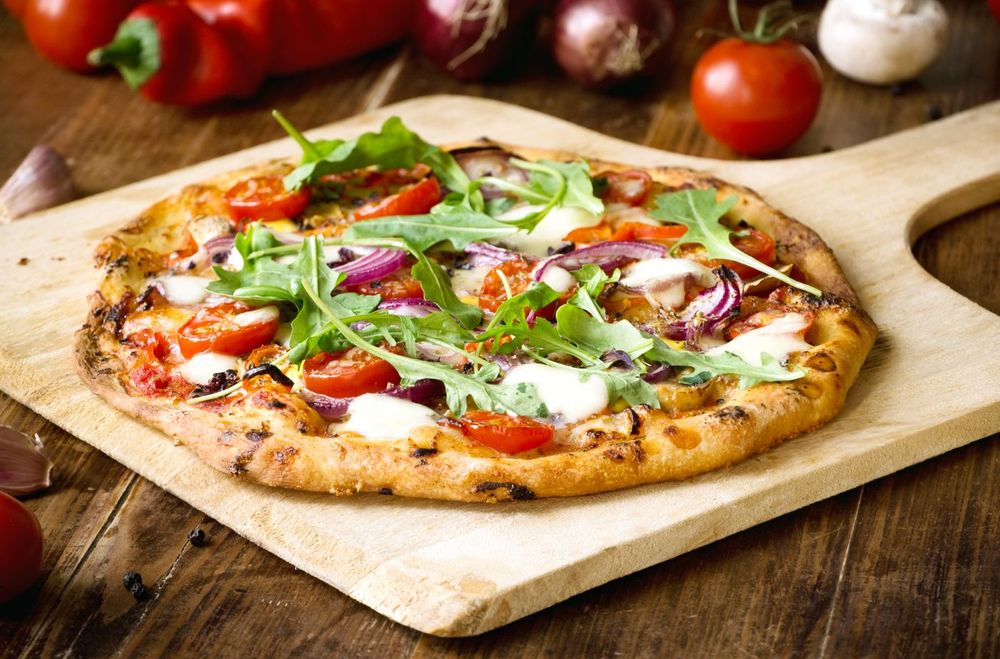
The crust was softer than it should be. The bottom didn’t have that char. The cheese didn’t bubble and brown the way it does in the pictures. Something was missing — and it wasn’t the recipe.
It was physics.
Your Oven Isn’t Hot Enough — and That Gap Is Enormous
A professional pizza oven, particularly the wood-fired kind used in Neapolitan-style pizzerias, runs between 800 and 1,000 degrees Fahrenheit.
Your home oven maxes out at around 500 to 550.
That’s not a small difference. That’s an entirely different cooking environment. At pizzeria temperatures, a Neapolitan pizza is done in ninety seconds. The exterior chars before the interior dries out. The crust puffs from the sudden, violent blast of heat. The cheese melts fast enough that it doesn’t have time to turn greasy.
At home oven temperatures, the pizza sits in comparatively gentle heat for eight to twelve minutes. By the time the crust has any color, the cheese has often already separated, the toppings have given off their moisture, and the base of the crust is pale and soft rather than crisp and spotted.
The heat difference explains almost everything.
The Tool Underneath the Pizza Matters as Much as the Heat Above It
Professional pizza ovens don’t just produce intense air heat — they conduct heat directly into the base of the pizza through a stone or brick floor that’s been absorbing temperature for hours.
When a raw pizza hits that surface, the bottom of the crust experiences an immediate, intense burst of heat that begins cooking it from below almost instantly. This is what produces the blistered, slightly charred undercarriage that defines great pizza.
A home oven rack, by contrast, is thin metal with a lot of airflow. It conducts almost no heat directly into the dough.
The fix that professional techniques point to: a baking steel or a thick pizza stone, preheated in the oven for at least an hour. Not thirty minutes. Not until the oven beeps. A full hour, so the thermal mass is fully saturated with heat.
Slide a pizza onto a properly preheated steel and the bottom of the crust begins cooking immediately — dramatically closer to what happens in a professional environment.
The Dough Is a Long Game
Pizza dough made the same day it’s used is never going to perform like dough from a serious pizzeria.
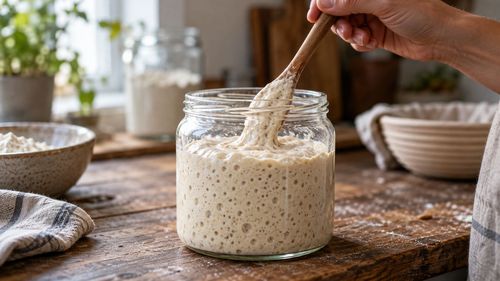
Professional pizza makers — particularly those working in the Neapolitan tradition — ferment their dough for anywhere from twenty-four to seventy-two hours, sometimes longer. That extended, cold fermentation does things to the dough that speed simply cannot replicate.
The gluten relaxes fully, making the dough extensible and easy to stretch without springing back. Complex flavor compounds develop that give the crust its characteristic tang and depth. And the yeast produces gas slowly enough that the structure of the dough becomes light and open rather than dense and bready.
When you make dough in the afternoon and use it at dinner, you’re skipping all of that. The crust tastes like bread. It doesn’t have the structural integrity to char properly without overcooking. It’s working against you from the start.
Making the dough two or three days ahead — refrigerated, slow-fermented — is the single most impactful change most home pizza cooks can make.
Less Is More, and That’s Not an Aesthetic Choice
There’s a reason authentic Neapolitan pizza looks sparse compared to what most people pile onto a homemade pie. It’s not minimalism for its own sake. It’s thermal logic.
Too many toppings and too much sauce introduce an enormous amount of moisture into the oven environment. That moisture steams the pizza from above, preventing browning, softening the crust, and creating the soggy center that plagues so many home attempts.
Professional pizzaiolos apply sauce in a thin, restrained spiral. They use cheese that’s been well-drained — or, in the case of fresh mozzarella, pulled apart and left to dry for a period before use. Every topping decision is made with an awareness of the moisture it carries.
At home, the instinct is often generosity. More sauce because it tastes good. More cheese because it looks better. More toppings because it’s a meal.
That generosity is working directly against the heat.
Launching the Pizza Is Its Own Skill
There’s one more moment where home pizza consistently falls apart: getting it into the oven.
At a pizzeria, an experienced pizza maker can stretch, top, and launch a pie in under a minute. The dough moves freely because it’s properly fermented and at the right temperature. The peel is dusted with semolina, not flour, which acts more like ball bearings under the dough and allows a clean, confident slide onto the stone.
At home, there’s typically a moment of panic. The pizza sticks. The toppings shift. The crust tears. The oven loses heat while the door hangs open.
Semolina on the peel, a quick build, and a decisive launch — that’s the professional rhythm. Hesitation is the enemy. The longer the topped pizza sits on the peel, the more the moisture from the sauce soaks into the dough, and the stickier the situation becomes.
The Takeaway
Great pizza is not about a secret sauce recipe or a proprietary blend of cheeses. It’s about understanding the environment professional kitchens create — intense heat, conductive surfaces, slow-fermented dough, restrained toppings — and approximating that environment as closely as possible at home.
You will never fully replicate a wood-fired oven in a residential kitchen. But you can get meaningfully, noticeably closer.
And the difference between a home pizza made with professional awareness and one made without it is not subtle.
It’s the difference between bread with toppings and actual pizza.