
The One Ingredient Chefs Add to Everything You Don’t

The One Ingredient Chefs Add to Everything You Don’t

Healthy Fact of the Day

Adding a splash of vinegar or citrus juice to meals can help stabilize blood sugar levels by slowing digestion, and acidic foods consumed with iron-rich plants like spinach increase iron absorption by up to 300%, making your body work smarter with the nutrients already on your plate.

February 12, 2026

Blog

You Might Also Like...

Rack of Pork with Peppercorn Sauce

Rack of Pork with Peppercorn Sauce

Juicy roasted rack of pork in a bold peppercorn sauce, paired with the ideal midweek red for elegant, effortless dining.

Your Panini Press Is Hiding Five Real Dinners

Your Panini Press Is Hiding Five Real Dinners

That dusty sandwich press in your cabinet can grill way more than lunch. Five dinners, zero extra gadgets.

Slow Cooker Queso Chicken Tacos

Slow Cooker Queso Chicken Tacos

Creamy, cheesy slow cooker queso chicken shredded into tacos — a lazy-day Taco Tuesday win with zero fuss.

Aldi's Frozen Pretzel Bites Are Secretly Five Dinners

Aldi's Frozen Pretzel Bites Are Secretly Five Dinners

That bag of Aldi pretzel bites in your freezer isn't just a snack — it's five weeknight dinners in disguise.

Spicy Seasoned Pretzels Recipe

Spicy Seasoned Pretzels Recipe

Crunchy, spice-tossed pretzels that make the perfect zippy Monday snack for movie nights or lunchboxes.

logo
  • Beverages
  • Eats▾
    • Appetizers
    • Entrees
    • Salads
    • Soups
    • Vegan
  • Desserts
  • Blog
  • About Us▾
    • Team
​
​
Sign Up
  • Beverages
  • Eats▾
    • Appetizers
    • Entrees
    • Salads
    • Soups
    • Vegan
  • Desserts
  • Blog
  • About Us▾
    • Team
  • ​

There’s an ingredient that shows up in nearly every professional kitchen.

It’s not fancy. It’s not expensive. You probably have some version of it at home, but you’re almost certainly not using it the way chefs do.

It’s acid.

And once you understand how professionals think about it, your food will taste more balanced, more vibrant, more complete—without you being able to pinpoint exactly why.

The Missing Piece You Can’t Name

You’ve had this experience before.

You taste something at a restaurant and it’s perfect. You try to recreate it at home. You follow the recipe. You use good ingredients. You nail the technique.

But something’s off. It tastes flat. Dull. One-dimensional.

Nine times out of ten, the problem isn’t what you added. It’s what you left out.

Most home cooks season with salt and pepper and stop there. Chefs add one more thing: a brightening agent that wakes everything up.

It’s Not About Making Things Sour

When chefs talk about acid, they’re not trying to make food taste like vinegar or lemon juice.

They’re trying to create balance.

Fat makes food rich. Salt makes it savory. Sugar adds sweetness. But without acid, all of those flavors sit heavy. They don’t lift. They don’t finish clean.

Acid cuts through richness. It sharpens dull edges. It makes other flavors more vivid without overpowering them.

Done right, you shouldn’t taste the acid itself. You should just notice that everything else tastes better.

It Happens at the End

Here’s where most home cooks miss the mark: they think about acid as an ingredient in the recipe, not as a final adjustment.

Chefs do it differently.

They cook the dish. They taste it. And right before it goes out, they add a small splash of something acidic—just enough to make the flavors snap into focus.

A squeeze of lemon over roasted vegetables. A dash of vinegar in a soup. A few drops of lime juice over tacos.

It’s the last thing that happens, and it’s often the thing that makes the biggest difference.

Different Acids Do Different Things

Not all acids work the same way.

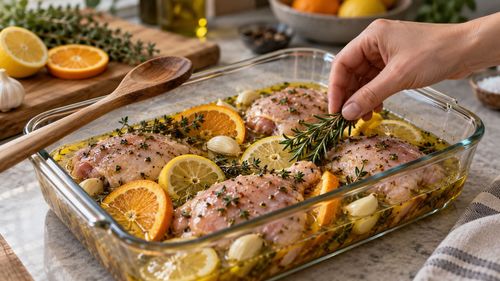
Lemon juice is bright and clean. It works on fish, chicken, vegetables, grains—almost anything.

Red wine vinegar has depth. It’s perfect for rich, savory dishes like braised meats or tomato-based sauces.

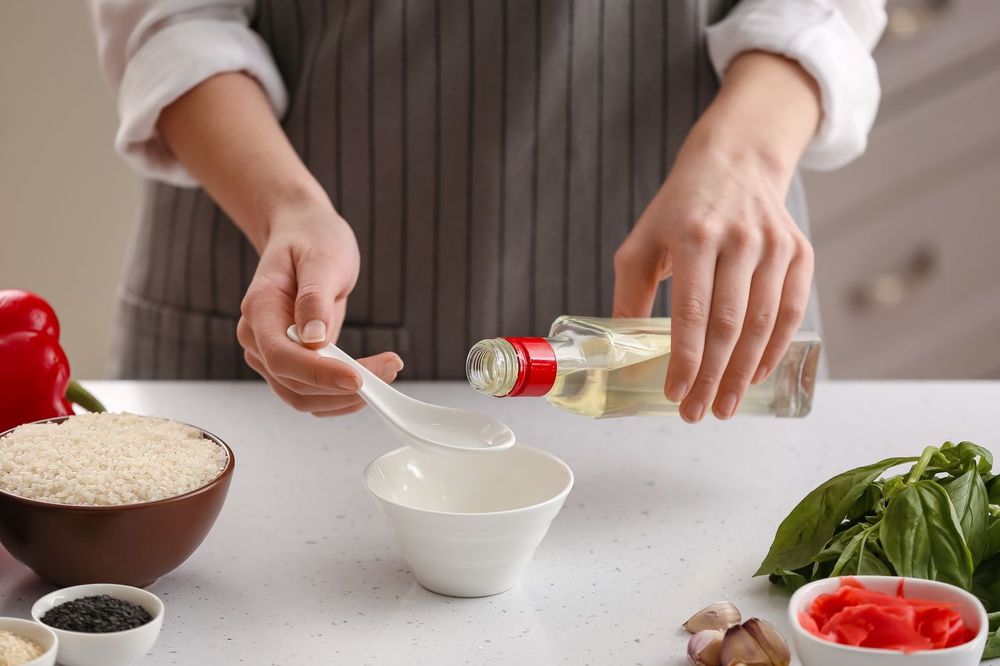
Rice vinegar is mild and slightly sweet. It’s ideal for delicate foods that need a gentle lift.

Lime juice is bold and aromatic. It’s the backbone of most Latin and Southeast Asian cooking.

Chefs don’t just reach for “acid.” They think about which acid fits the dish, the same way they think about which herb or spice to use.

The Taste Test That Changes Everything

Try this next time you make soup, sauce, or stew.

Taste it before you add any acid. Notice how it feels in your mouth—probably a little heavy, a little muted.

Now add half a teaspoon of vinegar or a squeeze of lemon. Taste again.

The difference is immediate. The flavors become more defined. The dish feels lighter, even though you barely added anything.

That’s what chefs are chasing in every dish they make.

Where Home Cooks Go Wrong

Most people either skip acid entirely or add way too much.

Too little, and nothing changes. Too much, and the dish tastes sour or unbalanced.

The key is adding it gradually. A little squeeze. A small splash. Taste. Adjust.

Chefs don’t dump acid into a dish and hope for the best. They add it carefully, tasting as they go, stopping the moment the flavors come alive.

It Works on More Than You Think

Acid isn’t just for salad dressing or ceviche.

It belongs in pasta sauces. Braises. Grain bowls. Roasted meats. Even desserts—lemon juice in a berry compote, a touch of vinegar in caramel.

Any dish that tastes “good but not great” is probably missing acid.

Any dish that feels heavy or one-note almost always improves with a small acidic finish.

The Simple Rule Chefs Follow

If your food tastes flat, add salt.

If your food tastes dull, add acid.

If your food tastes unbalanced, add both.

It’s not complicated. It’s just a habit most home cooks never develop because no one told them to.

What You Can Do Right Now

Keep a lemon and a bottle of vinegar near your stove.

Before you serve anything, taste it and ask: does this need brightness?

If the answer is yes, add a tiny amount of acid. Taste again. Adjust.

That’s it. That’s the technique.

The Takeaway

The difference between home cooking and restaurant cooking often isn’t skill or equipment.

It’s small, intentional adjustments that most people never think to make.

Acid is one of them. And it might be the easiest one to start using today.

Because the food you’re already making is probably closer to great than you realize.

It just needs a squeeze.
More Recipes

Blog

06 October 2026

Why Sourdough Starter Actually Works (And What's Living Inside It)

A jar of flour and water becomes a living culture that leavens bread. Here's the science behind sourdough starter, explained simply....

Blog

06 October 2026

Your Pizza Oven Can Cook Way More Than Pizza

That countertop pizza oven can crank out five real dinners fast. Here's how to actually use it right....

Blog

05 October 2026

Dunkin' Launches Its 2026 Halloween Menu

Dunkin' has launched its 2026 Halloween menu with new Green Apple Dunkin' Zero drinks and Purple Marshmallow Cold Foam, available now....

Blog

05 October 2026

Wood or Plastic: Which Cutting Board Is Actually Safer?

Wood cutting boards look less sanitary than plastic, but research says otherwise. Here's what the science actually found....

Blog

05 October 2026

Costco's Orange Chicken Bag Is Secretly Five Dinners

That frozen orange chicken bag at Costco isn't just a side dish — it's five real dinners in disguise....

Blog

04 October 2026

PepsiCo Foods Announces Price Increases

PepsiCo Foods is raising prices on chips, dips, and sodas, reversing an earlier pledge to cut costs on popular snack brands....

Blog

04 October 2026

Why Marinades Don't Actually Penetrate Meat the Way You Think

Marinades barely move past the surface of meat, no matter how long you wait. Here's what's actually happening, and what really works....

Blog

04 October 2026

TJ's Cauliflower Gnocchi: One Bag, Five Dinners

That green bag in your freezer can do way more than a sad side dish. Five real dinners, one Trader Joe's staple....

Blog

03 October 2026

Cinnabon Offers $1 Rolls for Cinnamon Roll Day

Cinnabon Rewards members can get $1 Classic Rolls on Oct. 4 for National Cinnamon Roll Day, plus a beverage deal Oct. 2-3....

Blog

03 October 2026

The Viral Tortilla Wrap Fold: One Trick, Endless Lunches

TikTok's tortilla-folding trick turns one wrap into a sealed, sauce-proof lunch bomb. Here's how to actually pull it off....

Blog

03 October 2026

Why Restaurant Fries Taste Different Than Homemade Ones

Restaurant fries stay crisp through a whole meal. Homemade ones go soft fast. Here's the two-step method that fixes it....

Blog

02 October 2026

Black Truffle Menu Returns to Shake Shack

Shake Shack's Black Truffle menu is back for a limited time, along with new Mac & Cheese Bites and a truffle sauce add-on....

Blog

02 October 2026

Why Putting Hot Food Straight in the Fridge Isn't the Mistake You Think It Is

The old rule to cool food before refrigerating is outdated. Here's what modern food safety guidance actually recommends instead....

Blog

02 October 2026

Aldi's $6 Meatball Bag Is Secretly Five Dinners

One bag of Aldi's frozen meatballs, five totally different weeknight dinners — no extra store trips required....

Blog

02 October 2026

Whole Foods' 365 Rice Bowls: One Freezer Aisle, Five Dinners

That stack of 365 frozen rice bowls at Whole Foods can become five totally different weeknight dinners....
Terms and ConditionsDo Not Sell or Share My Personal InformationPrivacy PolicyPrivacy NoticeAccessibility NoticeUnsubscribe
Copyright © 2026 Daily Dish