
For most of the last fifty years, MSG has carried a reputation few ingredients ever recover from: headaches, flushing, chest tightness, a whole cluster of symptoms lumped together as "Chinese Restaurant Syndrome." It became one of the most avoided ingredients in American kitchens.
The science behind that reputation turns out to be remarkably thin — and the story of how it spread says as much about bias as it does about food.
Where the Panic Actually Started
The entire scare traces back to a single letter published in a medical journal in 1968, written by a physician describing symptoms he experienced after eating at Chinese restaurants and speculating MSG might be the cause.
It wasn't a study. It wasn't tested. It was one person's anecdote and a guess, published as a letter to the editor rather than peer-reviewed research. That single letter, combined with the specific framing of a "Chinese" syndrome, set off decades of public fear that outlived any actual evidence supporting it.
What Controlled Studies Actually Found
In the decades since, researchers have run numerous double-blind, placebo-controlled studies specifically testing whether MSG causes the symptoms it's blamed for.
The overwhelming consensus, including reviews by the FDA and major food safety bodies internationally, is that MSG doesn't produce these reactions in the general population at normal dietary levels. When people know they're eating MSG, some report symptoms. When the same people are given MSG without knowing it, in properly blinded studies, those symptoms mostly disappear.
That gap between expectation and reality is a strong signal that the reaction, for most people, was never really about the compound itself.
Why the Bias Mattered as Much as the Science
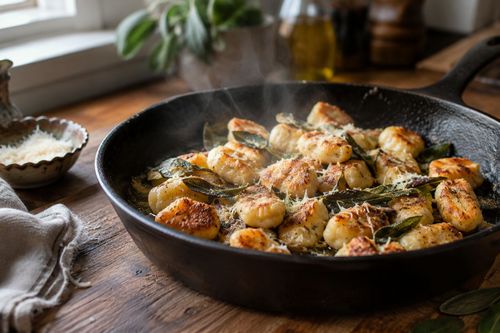
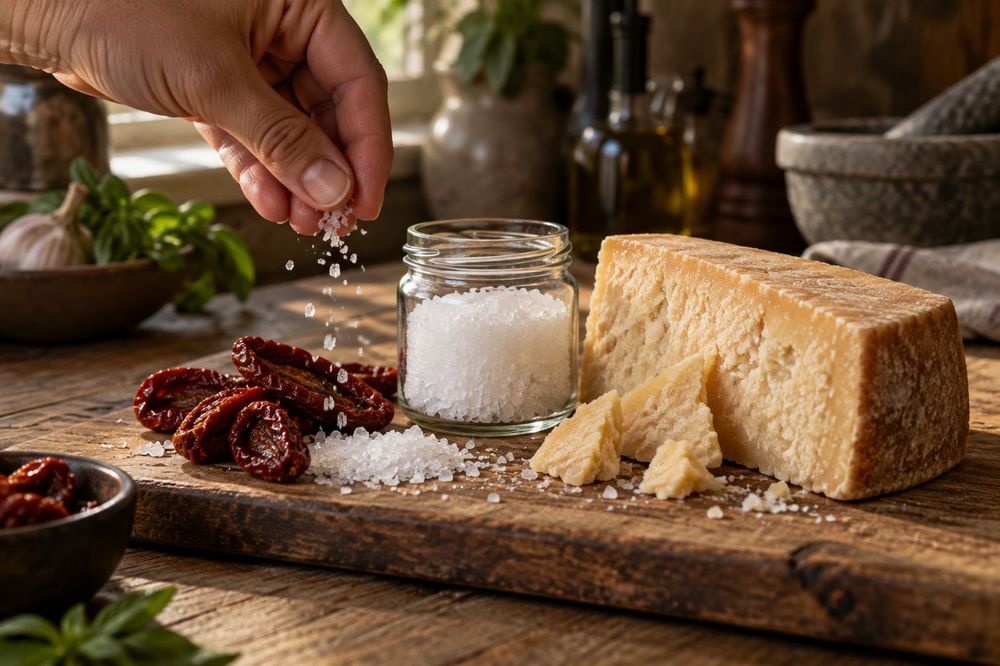
Food safety researchers have pointed out something uncomfortable about how this scare unfolded: the same amount of naturally occurring glutamate exists in foods like parmesan cheese, tomatoes, and mushrooms, without anyone calling for warning labels.
MSG is, chemically, extremely similar to the glutamate already present in countless foods considered perfectly safe and even beneficial. The specific fear attached itself to MSG largely in the context of Asian cuisine, while chemically similar compounds in Western foods never triggered the same alarm.
That selective suspicion is part of why some food historians and scientists now describe the MSG panic as a case study in bias dressed up as food safety.
What MSG Actually Is
MSG is the sodium salt of glutamic acid, an amino acid that occurs naturally in the human body and in a huge range of everyday foods.
It's responsible for umami, the savory fifth taste alongside sweet, sour, salty, and bitter. Its ability to enhance savoriness is exactly why it was first isolated and commercialized over a century ago — not to mask bad ingredients, but to amplify flavors already present in good ones.
Used in reasonable amounts, it functions similarly to salt: a flavor enhancer, not a shortcut around quality cooking.
Why the Reputation Still Lingers Anyway
Despite decades of research and a growing pushback from chefs and food scientists, "no MSG" labels remain common on menus and packaged food.
Fear, once established, tends to outlast the evidence that created it. Removing a "no MSG" label can feel riskier to a business than keeping it, even when the ingredient behind it has been repeatedly cleared. That asymmetry — where caution costs nothing and correction carries perceived risk — helps explain why outdated food fears can persist decades past their scientific expiration date.
The Takeaway
MSG's decades-long reputation was built on a single unverified letter, amplified by bias, and never matched by the controlled evidence that followed.
The compound behind so much fear is chemically close to something already sitting in parmesan cheese and sun-dried tomatoes, quietly making food taste better without anyone questioning it.
Sometimes the most persistent kitchen myths aren't about chemistry at all. They're about who gets the benefit of the doubt, and who doesn't.