
There is a knowledge that comes only from having grown something.
Not the knowledge of having read about how it grows — though that knowledge has its value. Not the knowledge of having watched someone else grow it — though that too contributes something. The specific, embodied knowledge that comes from having put a seed in the ground and watched it become a plant and tended that plant through the specific conditions of a specific season and harvested what it produced at the moment when it was exactly ready.
This knowledge changes the relationship with the ingredient in ways that no other form of learning produces.
The cook who has grown tomatoes understands the tomato differently from the cook who has only bought them. Not necessarily more scientifically — the bought tomato and the grown tomato contain the same compounds, obey the same chemistry, respond to the same cooking techniques. But differently in a way that is felt rather than known — in the specific quality of attention brought to the ingredient, in the understanding of what it cost to produce, in the awareness of what it is at the moment it arrives in the kitchen.
The garden is one of the oldest and most direct forms of culinary education available. It teaches what no cookbook teaches and what no cooking class demonstrates — the relationship between the plant and the conditions that produced it, and the specific moment when what has been growing is exactly what it should be.
What the Garden Teaches Before the Kitchen
The most fundamental thing the garden teaches is patience — not the patience of waiting for something to be done, but the patience of understanding that some things cannot be hurried and that the attempt to hurry them produces something different and lesser than what unhurried time produces.
The tomato plant that is given adequate water and adequate sun and adequate time will produce tomatoes that are exactly what a tomato should be. The tomato plant that is pushed — overwatered in the attempt to accelerate growth, harvested before the fruit has fully colored, grown in conditions that prioritize yield over quality — produces something that is technically a tomato but that the gardener who has grown both can immediately distinguish from the real thing.
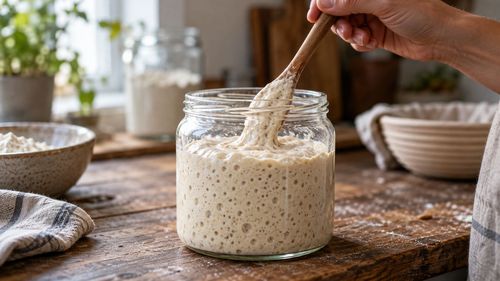
This lesson — that quality and speed are often in genuine tension, and that the rush toward the finished result frequently undermines the quality of the result — is a lesson that applies in the kitchen as directly as it applies in the garden. The onion that caramelizes in forty-five minutes is a different ingredient from the one that caramelizes in ten. The braise that cooks for three hours is a different dish from the one that cooks for one. The sourdough that ferments overnight is a different bread from the one that ferments for four hours.
The gardener who has watched a tomato develop over six weeks of patient tending — who has seen the specific stages of the fruit’s development from the tiny green beginning to the full, heavy, perfectly ripe end — understands patience as a productive force rather than as a passive waiting. The time is doing something. The patience is allowing the time to do it.
The Harvest Moment and What It Reveals
Of all the things the garden teaches, the harvest moment is the most specifically instructive for the cook.
The harvest moment — the specific moment when a fruit or a vegetable is exactly ready to be picked — is not a range. It is a point. For some crops, the window of that point is measured in days. For others, in hours. For a few — the fig at perfect ripeness, the sweet corn at its sweetest — in something closer to minutes.
The gardener who has missed the harvest moment — who has left the zucchini on the plant a day too long and produced the overgrown, seedy monster that is the gardener’s joke and the gardener’s failure simultaneously — understands the harvest moment as a real and consequential deadline in a way that the cook who only buys vegetables never quite experiences.
And the gardener who has caught the harvest moment perfectly — who has picked the tomato at exactly the instant of full ripeness, who has cut the lettuce at the moment when its leaves are most tender and its flavor most fresh — understands peak quality as a specific event rather than as a general state.
This understanding transfers directly to the kitchen. The cook who has grown tomatoes knows what a peak tomato feels like in the hand and smells like at the stem end — because they have felt and smelled that specific combination at the moment of harvest, when the quality is indisputable and the comparison is direct. The cook who has only bought tomatoes knows the flavor of what was available, which may or may not correspond to what peak quality actually is.
The Specific Lessons of Specific Plants
Each plant that a gardener grows teaches something specific — a lesson about that plant’s character and requirements and specific qualities that general horticultural knowledge doesn’t fully capture until it has been experienced directly.
The tomato teaches the relationship between heat and flavor — the specific understanding that the tomato grown in a cool, cloudy summer is a different and lesser ingredient than the tomato grown in the genuine summer heat that concentrates its sugars and develops its aromatic compounds. The gardener who has grown tomatoes in both conditions understands why the Italian or the Spanish tomato — grown in real Mediterranean heat — has a depth that the locally grown tomato in a cooler climate may not match.
The basil teaches the relationship between temperature and essential oil concentration — the specific understanding that basil harvested in the cool of the morning, before the heat of the day has begun to volatilize the essential oils that produce its flavor, is more fragrant and more flavorful than basil harvested at noon. The cook who knows this harvests their basil at the right moment and produces pesto with a specific intensity that the noon-harvested version doesn’t have.
The cucumber teaches the relationship between timing and bitterness — the specific understanding that the cucumber left on the vine past its ideal harvest size develops a bitterness in its skin and its seeds that the properly harvested cucumber doesn’t have, and that the bitterness is not a quality of the cucumber per se but of the cucumber past its moment.
The bean teaches the relationship between sugar and starch — the specific understanding that the bean harvested young, when its sugars are highest and its starch content is lowest, is a different and sweeter ingredient than the bean harvested when it has fully matured and converted most of its sugar to starch. The gardener who has eaten beans straight from the plant, at the moment of harvest, understands fresh bean flavor in a way that the cook who has only experienced the grocery store version may not.
The Garden as a Lesson in Seasonality
The garden teaches seasonality not as a concept but as a lived reality — the specific experience of an ingredient being available and then not available, of the harvest being abundant and then complete, of the empty bed where the tomatoes were growing as a physical fact rather than a calendar notation.
This lived experience of seasonality changes the relationship with seasonal eating in ways that the intellectual understanding of it cannot fully replicate. The gardener who has watched their last tomato plant produce its last fruit and then seen the plant die with the first frost has a specific understanding of why the January tomato is not the August tomato that the person who has only ever bought both cannot fully share.
The garden also teaches the specific rhythm of a season — the way that different plants peak at different moments, that the early summer is the season of the lettuce and the pea and the radish while the late summer is the season of the tomato and the pepper and the eggplant, that the succession of harvests across a growing season has a specific logic that the cook who understands it can organize their cooking around.
This organizational principle — cooking in response to what is producing, in the specific moment when it is producing at its best — is the foundation of genuinely seasonal cooking. The garden makes it impossible to ignore because the garden presents it as a physical reality rather than a culinary philosophy.
What the Imperfect Harvest Teaches
The garden does not produce only perfect specimens. It produces misshapen tomatoes and split fruit and insect-damaged leaves and the entire range of imperfections that the grocery store’s quality selection process eliminates before the produce reaches the display case.
These imperfections are one of the garden’s most specific gifts to the cook — because encountering them directly, understanding what produced them, and learning to use them appropriately produces a flexibility and a resourcefulness with ingredients that the cook who has only encountered the perfect grocery store specimen doesn’t develop.
The cracked tomato — split by uneven watering — is not a failed tomato. It is a tomato that must be used immediately, before the crack invites decay, in a preparation that uses it quickly. The understanding that this tomato is not lessor but differently timed produces a cook who can see the value in the imperfect specimen and use it at its moment rather than discarding it for its appearance.
The overgrown zucchini — the one that was missed during harvesting and grew past its ideal size — is not useful as a vegetable to be eaten simply. But it is excellent grated into bread, hollowed out and stuffed and baked, or processed into a soup where its size and its slightly different flavor and texture are assets rather than liabilities.
The bug-damaged lettuce leaf — which the grocery store would never offer but which the garden presents regularly — is simply trimmed and used, the remaining leaf no different in flavor from the undamaged leaf beside it.
Each of these encounters with imperfection is a lesson in the specific flexibility that genuine understanding of an ingredient produces — the ability to work with what is actually there rather than with what the ideal version would provide.
The Garden as a Meditation
Beyond the specific culinary lessons, the garden teaches something that is harder to name but that the serious gardener recognizes as one of the most valuable things the practice provides.
The garden is one of the few activities in contemporary life that requires the specific quality of presence that most other activities actively discourage. The plant being tended cannot be managed remotely or asynchronously. It requires physical presence, direct observation, hands in the soil.
This requirement for physical presence in a living system — the ongoing attention to something that is changing daily in ways that matter and that the gardener’s responses affect — produces a specific quality of grounded attention that the indoor cook who has never gardened rarely develops in quite the same way.
The cook who gardens comes to the kitchen having spent time in direct contact with the living source of their ingredients — having touched the soil that produced them, observed the conditions that shaped them, been present for the specific moment when they were ready to be harvested. This contact produces a specific quality of connection to the food that changes, in ways both subtle and significant, what happens in the kitchen.
Not a mystical connection — nothing that transcends the specific physical and chemical reality of the ingredient. But a genuine and specific one — the understanding of the food as the product of a living system rather than as an object that arrives, finished, from an undifferentiated source.
The August Garden at Its Peak
In August, the garden is at the specific moment of maximum productivity and maximum complexity — when the plants that have been growing all season are simultaneously at their peak and beginning to sense the approach of the season’s end.
The tomatoes are producing with an urgency that the earlier weeks of the season didn’t have. The peppers and the eggplant are at their most productive. The beans have produced multiple flushes and are beginning to slow. The herbs are either at their most fragrant, just before bolting, or have already bolted and are producing seed.
The August garden requires the gardener’s most active engagement — the daily harvesting that prevents overripeness, the decisions about what to preserve and what to eat immediately, the awareness that the window of abundance is closing even as it appears infinite.
This active engagement with the August garden is one of the most instructive periods of the growing year for the cook who is paying attention — because it is the moment when the relationship between the garden and the kitchen is most direct and most urgent, when the harvest decision and the cooking decision are most closely linked, and when the quality of attention brought to both most immediately affects the quality of what ends up on the table.
The Takeaway
The garden is not a prerequisite for good cooking. Excellent cooks have never grown anything and never will. The knowledge that the garden provides is not unavailable through other means — through careful attention to the ingredient, through relationship with the producers at the farmers market, through the specific engagement with seasonal eating that any attentive cook can develop.
But the garden provides these lessons directly and immediately — in the specific, embodied form that hands in the soil and eyes on the ripening fruit produce — in a way that no other form of culinary education quite replicates.
If the opportunity exists to grow something — even a single tomato plant in a container, even a pot of basil on a windowsill — the attempt is worth making.
Not for the harvest, though the harvest is wonderful.
For what the growing teaches.