
It feels like common sense. Raw chicken comes out of the package looking a little slimy, maybe with some liquid pooled underneath, so it goes straight into the sink for a rinse before cooking.
That instinct, followed in kitchens for generations, is doing the opposite of what it seems to. Food safety experts have been trying to walk it back for years, largely without success.
Why Rinsing Feels Like It Should Help
Washing dishes, produce, and hands all involve rinsing away things that shouldn't be there. It's a reasonable instinct to extend that logic to raw meat.
The problem is that bacteria on raw poultry — most notably salmonella and campylobacter — aren't sitting loosely on the surface waiting to be rinsed off like dirt on a vegetable. They're often bound more tightly to the meat than a quick rinse under the tap can remove.
Rinsing doesn't reliably eliminate them. It just relocates them.
Where That Water Actually Goes
Running water over raw chicken creates a fine spray, and that spray doesn't stay contained to the sink basin the way it feels like it should.
Studies using fluorescent tracking powder to simulate bacteria have shown droplets landing on countertops, faucet handles, nearby dish towels, and even surfaces several feet away from the sink. Every one of those surfaces becomes a potential contamination point that wasn't there before the rinsing started.
Instead of removing bacteria from the kitchen, rinsing tends to distribute it more widely across the kitchen.
Why Cooking Temperature Is the Only Thing That Actually Works
Heat, not water, is what reliably kills the bacteria of concern on raw poultry.
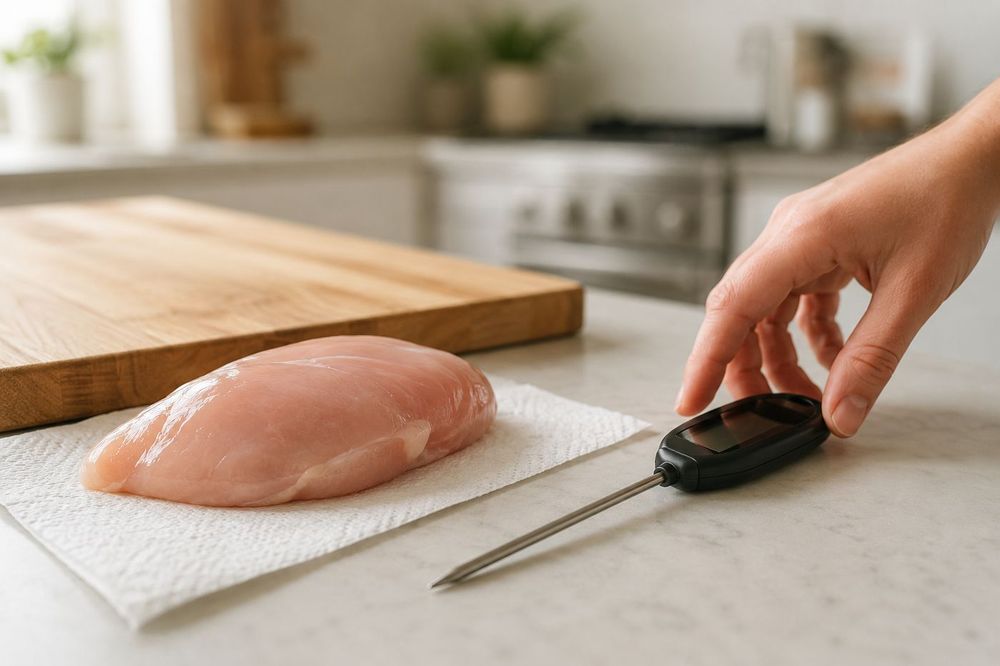
Cooking chicken to an internal temperature of 165°F destroys salmonella and campylobacter regardless of whether the meat was rinsed beforehand. A properly cooked, unrinsed chicken breast is safer than a rinsed one that's slightly undercooked — because the rinse never addressed the actual risk in the first place.
A meat thermometer does more for food safety than a sink ever could.
Why This Advice Persists Anyway
Health organizations, including the USDA and CDC, have publicly recommended against rinsing raw poultry for years. The habit persists regardless, often passed down the same way a family recipe would be.
Because the risk from rinsing is invisible — nobody watches bacteria land on a nearby dish towel — the practice doesn't feel dangerous the way it actually is. The absence of a visible consequence makes old advice hard to unlearn, even with a clear explanation available.
This is less about stubbornness and more about how food safety habits get taught: by demonstration, not by explanation.
What to Actually Do Instead
Skipping the rinse doesn't mean skipping caution — it means redirecting it toward what actually matters.
Pat raw poultry dry with a paper towel if needed, rather than rinsing it
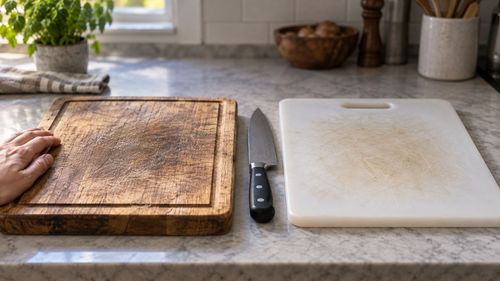
Use a dedicated cutting board for raw meat, separate from produce
Wash hands, utensils, and surfaces thoroughly after handling raw poultry
Use a meat thermometer to confirm 165°F rather than judging doneness by appearance
None of these require new equipment, just a slightly different sequence than the one most people grew up watching.
The Takeaway
Rinsing raw chicken isn't a harmless extra step. It's an extra step that actively works against the goal it's meant to serve.
The habit feels protective because it looks like cleaning. The science says otherwise — the sink isn't where safety happens in this case. The thermometer is.
Old kitchen habits don't always deserve the trust they're given, and this is one of the clearest examples of a widely followed practice quietly making things worse.