
Food recalls happen regularly.
Most go unnoticed by the general public.
But when a recall involves a popular protein sold across multiple states, it’s worth paying attention.
The FDA has announced a recall on salmon products distributed in seven states due to potential Listeria contamination.
If you’ve purchased salmon recently, here’s what you need to know.
What’s Being Recalled
The recall affects specific salmon products sold at retail locations across seven states.
The affected products include:
- Fresh salmon fillets
- Packaged salmon portions
- Smoked salmon varieties (depending on the brand)
The recall was initiated after routine testing detected the potential presence of Listeria monocytogenes in processing equipment at the facility where the salmon was packaged.
Not all salmon sold during the affected timeframe has tested positive, but the company issued a voluntary recall out of caution.
Which States Are Affected
The recalled salmon was distributed to retail stores in seven states:
- California
- Oregon
- Washington
- Nevada
- Arizona
- Idaho
- Montana
The products were sold primarily through grocery store chains, seafood markets, and some warehouse club stores.
If you live in one of these states and purchased salmon recently, check your purchase against the recall details.
What Is Listeria
Listeria monocytogenes is a bacteria that can cause serious illness.
Unlike many foodborne pathogens, Listeria can grow even in refrigerated conditions, which makes it particularly concerning for products stored cold.
Symptoms of Listeria infection include:
- Fever
- Muscle aches
- Nausea
- Diarrhea
- Headache
- Stiff neck
- Confusion
- Loss of balance
- Convulsions (in severe cases)
Symptoms can appear anywhere from a few days to several weeks after consuming contaminated food.
For most healthy adults, Listeria causes uncomfortable but manageable flu-like symptoms.
For vulnerable populations, it can be life-threatening.
Who Is Most at Risk
Listeria is especially dangerous for:
- Pregnant women (can cause miscarriage, stillbirth, or severe illness in newborns)
- Adults 65 and older
- People with weakened immune systems
- Young children
Pregnant women are approximately 10 times more likely than the general population to contract Listeria infection.
If you fall into one of these categories and have consumed the recalled salmon, contact your healthcare provider immediately—even if you don’t have symptoms yet.
How to Identify the Recalled Products
The FDA recall notice includes specific identifying information:
- Brand names
- Product codes
- Package dates
- UPC numbers
- “Best by” or “sell by” dates
This information is typically found on the product label or packaging.
The recall notice will also include photos of the affected packaging to help consumers identify whether they purchased the recalled items.
Check the FDA website or the retailer where you purchased the salmon for the complete list of affected products.
What to Do If You Bought the Recalled Salmon
If you have the recalled salmon in your refrigerator or freezer:
- Do not eat it
- Do not cook it (cooking may reduce but not eliminate Listeria risk)
- Throw it away in a sealed bag to prevent cross-contamination
- Sanitize any surfaces, utensils, or containers that came into contact with the salmon
- Wash your hands thoroughly after handling
You can also return the product to the store where you purchased it for a full refund.
Most retailers will accept recalled products without a receipt if you can demonstrate you purchased it during the affected timeframe.
No Reported Illnesses—Yet
As of the recall announcement, no confirmed illnesses have been reported in connection with this salmon.
The recall is precautionary, issued after routine environmental testing at the processing facility detected Listeria.
This is actually how the system is supposed to work:
- Routine testing catches potential contamination
- Products are recalled before people get sick
- The public is notified quickly
It’s better than waiting for illnesses to be reported before taking action.
Why Seafood Recalls Happen
Seafood is one of the most commonly recalled food categories.
The reasons include:
- Short shelf life requiring careful handling
- Temperature-sensitive storage requirements
- Complex supply chains from ocean to table
- Processing environments that can harbor bacteria
Salmon, specifically, moves through multiple hands:
- Fisheries or farms
- Processing facilities
- Distribution centers
- Retail stores
Each step introduces potential contamination risks.
This is why proper handling, storage, and cooking are essential—even when products aren’t recalled.
The Recall Process
When a potential contamination is detected, the process moves quickly:
- The company identifies affected products
- A voluntary recall is issued (or the FDA mandates one)
- Retailers are notified and pull products from shelves
- Public announcements are made through FDA channels and media
- Consumers are advised on next steps
The goal is to get contaminated or potentially contaminated products out of circulation as fast as possible.
Companies that cooperate fully and act quickly face fewer consequences than those that delay or resist recalls.
Preventing Foodborne Illness at Home
Even outside of recalls, safe seafood handling matters.
To reduce your risk of foodborne illness from salmon or other seafood:
- Buy from reputable sources
- Check “sell by” and “use by” dates
- Keep seafood refrigerated at 40°F or below
- Cook salmon to an internal temperature of 145°F
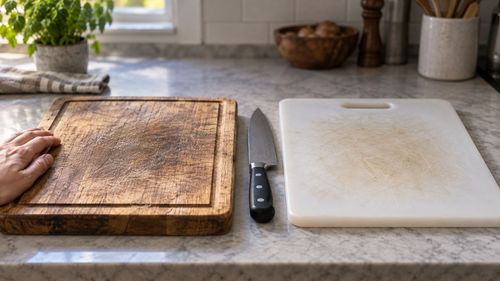
- Avoid cross-contamination by using separate cutting boards for raw seafood
- Wash hands, utensils, and surfaces thoroughly after handling raw fish
- Don’t leave seafood at room temperature for more than two hours
Proper handling significantly reduces the risk of illness—recalled or not.
How to Stay Informed About Recalls
Food recalls happen frequently, but most people don’t hear about them unless they make major news.
To stay informed:
- Sign up for FDA recall alerts at FDA.gov
- Follow the USDA and FDA on social media
- Check your grocery store’s website—many post recall notices
- Register products when possible so manufacturers can contact you directly
Staying informed helps you catch recalls early, before consuming affected products.
What Retailers Are Doing
Stores that carried the recalled salmon have been notified and are removing products from shelves.
Most major grocery chains will also:
- Post recall notices at customer service desks
- Send alerts to loyalty program members who may have purchased the product
- Offer full refunds without requiring a receipt
If you’re unsure whether your store carried the recalled salmon, call ahead or check their website before making a trip.
The Takeaway
The FDA has issued a recall on salmon sold in seven western states due to potential Listeria contamination.
No illnesses have been reported, but the recall is precautionary following detection of Listeria in processing equipment.
If you purchased salmon recently in California, Oregon, Washington, Nevada, Arizona, Idaho, or Montana, check the recall details and discard any affected products.
And if you’re in a high-risk category—pregnant, elderly, or immunocompromised—contact your doctor if you’ve consumed the recalled salmon, even without symptoms.
Food safety depends on quick action. This is one of those times.