
Food recalls happen regularly.
Most go unnoticed by the general public.
But when a recall involves a popular frozen product sold at a major grocery chain, it’s worth paying attention.
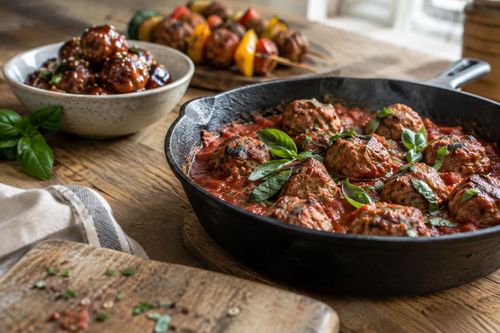
The U.S. Department of Agriculture’s Food Safety and Inspection Service (FSIS) has announced a recall of nearly 10,000 pounds of frozen meatballs sold at Aldi stores.
The ready-to-eat meatballs, manufactured by Rosina Food Products, Inc., may be contaminated with metal.
If you’ve purchased frozen meatballs from Aldi recently, here’s what you need to know.
What’s Being Recalled
The recall affects frozen meatball products sold exclusively at Aldi locations.
Key details include:
- Manufactured by Rosina Food Products, Inc.
- Ready-to-eat frozen meatballs
- Nearly 10,000 pounds affected
- Potential contamination with metal fragments
The recall was initiated after the company discovered that metal may have entered the product during manufacturing.
Not all meatballs from Rosina or Aldi are affected—only specific production batches with particular lot codes and best-by dates.
Why Metal Contamination Is Serious
Metal fragments in food are a significant safety hazard.
Unlike biological contamination (bacteria, mold), which might cause illness, metal contamination poses immediate physical risks:
- Choking hazards
- Cuts to the mouth, throat, or digestive tract
- Broken teeth
- Internal injuries if swallowed
Even small metal fragments can cause serious harm, especially if they have sharp edges.
This is why metal contamination triggers immediate recalls, even if no injuries have been reported yet.
How Metal Gets Into Food
Metal contamination in food processing typically happens due to:
- Equipment wear and tear (parts breaking off from machinery)
- Metal detection system failures
- Foreign objects entering the production line
- Packaging material issues
Food manufacturers use metal detectors and X-ray systems to catch contamination before products leave the facility.
When these systems fail or miss something, recalls become necessary.
In this case, Rosina Food Products discovered the issue and reported it to FSIS, triggering the recall before widespread distribution.
Which Products Are Affected
The FSIS recall notice will include specific identifying information:
- Product names and descriptions
- Package sizes
- Lot codes
- Best-by or use-by dates
- Establishment numbers
This information is printed on the product packaging.
To determine if your meatballs are part of the recall, you’ll need to check:
- The brand name on the package
- The lot code (usually printed on the back or bottom)
- The best-by date
- Any establishment numbers listed
The FSIS website and Aldi’s recall page will have photos of the affected packaging to help consumers identify the products.
What to Do If You Bought Them
If you have the recalled meatballs in your freezer:
- Do not eat them
- Do not cook them (cooking will not eliminate the physical hazard of metal)
- Check the lot code and best-by date against the recall notice
- Throw them away in a sealed bag to prevent accidental consumption
- Or return them to Aldi for a full refund
Most retailers, including Aldi, will accept recalled products for refunds even without a receipt if you can show the packaging matches the recall details.
Do not try to inspect the meatballs yourself to look for metal—it may not be visible, and handling the product unnecessarily increases risk.
No Reported Injuries or Illnesses—Yet
As of the recall announcement, no injuries or adverse reactions have been reported in connection with these meatballs.
The recall is precautionary, issued after the contamination was discovered during routine quality checks.
This is how the system is supposed to work:
- Contamination is detected before widespread consumption
- Products are recalled quickly
- The public is notified
- Injuries are prevented
It’s better than waiting for injury reports before taking action.
Rosina Food Products Background
Rosina Food Products, Inc. is a major manufacturer of frozen meatballs and Italian food products.
The company supplies:
- Retail grocery stores under various brand names
- Foodservice operations
- Private label products for different retailers
This isn’t Rosina’s first recall, though metal contamination recalls are relatively rare across the food industry.
The company is cooperating with FSIS and has taken steps to prevent future contamination at the affected facility.
Why Aldi Specifically
The recalled meatballs were produced specifically for Aldi stores.
Aldi operates on a private label model, meaning:
- Most products are Aldi-exclusive brands
- They’re manufactured by third-party companies like Rosina
- The same manufacturer might produce similar products for other retailers under different labels
Just because these meatballs were sold at Aldi doesn’t mean other Rosina products at other stores are affected.
Each production run is separate, with different lot codes and quality control measures.
If you buy frozen meatballs elsewhere, check if they’re made by Rosina and compare the lot codes to the recall notice.
The Recall Process
When a potential contamination is discovered, the process moves quickly:
- The manufacturer identifies the affected products and lot codes
- FSIS is notified and conducts an assessment
- A recall is issued with specific product details
- Retailers are notified and remove products from shelves
- Public announcements are made through FSIS, retailer websites, and media
- Consumers are advised on next steps
Aldi will post the recall on its website and may also notify customers who used loyalty cards or digital receipts at the time of purchase.
How to Stay Informed About Recalls
Food recalls happen frequently, but most people don’t hear about them unless they make major news.
To stay informed:
- Sign up for FSIS recall alerts at FSIS.usda.gov
- Check the FDA and USDA recall pages regularly
- Follow your grocery store’s website and social media for recall notices
- Sign up for store loyalty programs that send recall notifications
Staying informed helps you catch recalls early, before consuming affected products.
Why Metal Detection Systems Fail
Modern food manufacturing facilities use sophisticated metal detectors and X-ray systems.
But they’re not perfect:
- Very small metal fragments may not trigger sensors
- System calibration issues can cause failures
- High-speed production lines may miss contamination
- Metal embedded deep inside products may be harder to detect
Manufacturers are required to test and calibrate detection systems regularly, but occasional failures still occur.
That’s why recalls exist—as a safety net when prevention systems don’t catch everything.
What Aldi Is Doing
Aldi has removed the affected meatballs from store shelves.
The company is also:
- Posting recall notices in stores
- Updating its website with recall information
- Offering full refunds to customers who purchased the product
- Cooperating with FSIS on the investigation
Aldi takes recalls seriously because they impact customer trust and safety.
The company’s response time and communication will determine how well they maintain that trust.
The Broader Context
Metal contamination recalls are relatively uncommon but not unheard of.
Recent examples include:
- Frozen vegetable recalls due to metal fragments
- Ground beef recalls for similar reasons
- Canned goods with metal shavings
Each incident reinforces the importance of:
- Robust quality control systems
- Regular equipment maintenance
- Quick response when contamination is detected
The food industry has made significant strides in reducing contamination risks, but the scale of modern food production means issues still arise.
The Takeaway
The USDA has recalled nearly 10,000 pounds of frozen meatballs sold at Aldi due to potential metal contamination.
The meatballs were manufactured by Rosina Food Products, Inc. and are ready-to-eat products.
No injuries have been reported, but the recall is precautionary.
If you’ve purchased frozen meatballs from Aldi recently, check the lot codes and best-by dates against the recall notice on the FSIS website or Aldi’s recall page.
If you have the affected products, do not eat them. Throw them away or return them to Aldi for a full refund.
Food safety depends on quick action. This is one of those times.