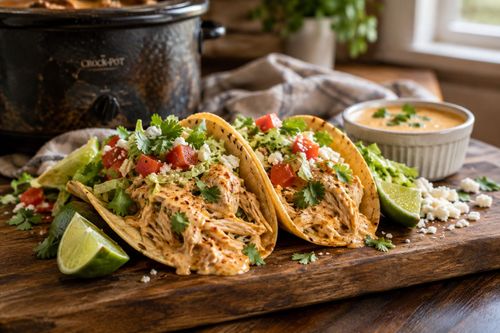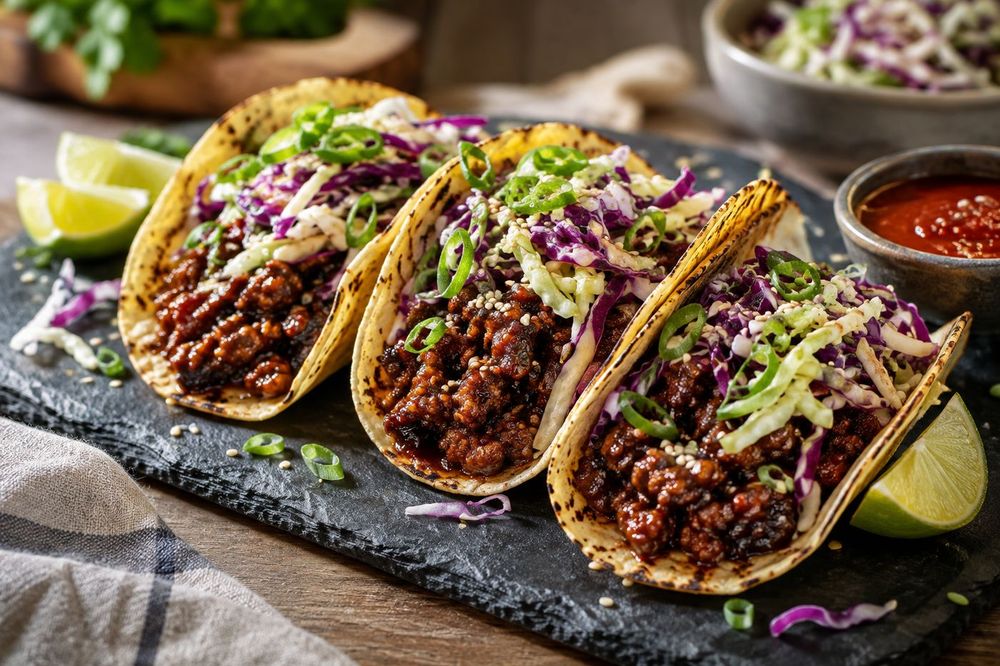



There's something magical about the moment two cuisines collide in the best possible way, and these Gochujang Beef Tacos are proof positive. I stumbled onto this combination on a night when I had leftover gochujang paste in the fridge and a craving for tacos that just wouldn't quit. One quick decision later, and a new Tuesday favorite was born.
What I love most about this recipe is how it takes the familiar comfort of a taco and gives it an unexpected twist. The gochujang brings a deep, fermented sweetness with a slow-building heat that's completely different from the usual chili-lime profile we associate with taco night — and that's exactly why it works so well here.
This is a dish for the adventurous eater, but it's also incredibly approachable. If you can brown ground beef, you can make this taco shine. And that's really the heart of what I want every recipe I share to feel like: achievable, exciting, and worth making again.
So why does this belong on Taco Tuesday? Because Taco Tuesday isn't about following rules — it's about celebrating the format. Any filling, any flavor profile, any cultural inspiration is fair game as long as it ends up wrapped in a warm tortilla. Tonight, that filling happens to be spicy, glossy, umami-packed beef.
The Inspiration Behind This RecipeKorean-Mexican fusion food has been quietly building momentum for years, largely thanks to food trucks that started blending bulgogi and kimchi with classic Mexican taco elements. I wanted to bring that same spirit into a home kitchen setting — no truck required, just a skillet and about thirty minutes.
Gochujang itself was the starting point. Its combination of chili, glutinous rice, fermented soybeans, and salt creates a flavor that's spicy, sweet, and savory all at once. Pairing that with ground beef felt like a natural next step, since beef can carry bold sauces without getting lost underneath them.
A Brief History of Korean-Mexican Fusion TacosKorean tacos rose to prominence in Los Angeles in the late 2000s, largely credited to chefs blending Korean barbecue traditions with the Mexican taco truck culture that had long been a staple of the city's food scene. The pairing made instant sense — both cuisines rely heavily on balancing char, spice, acid, and fresh vegetables.
Gochujang specifically has been a staple of Korean cooking for centuries, traditionally fermented in earthenware pots and used in stews, marinades, and dipping sauces. Its introduction into taco fillings represents just one branch of a much larger, ongoing conversation between global cuisines happening in kitchens everywhere.
Why This Cooking Method WorksBrowning the beef first and then adding the gochujang sauce toward the end allows the meat to develop a good sear without the sugars in the sauce burning. This two-stage cooking process is key — it keeps the beef tender while letting the sauce caramelize just slightly around the edges of the pan.
Cooking the sauce briefly with the beef instead of just tossing it on raw also helps mellow some of the gochujang's sharper fermented notes, rounding everything out into a more balanced, cohesive filling.
Flavor Profile: What to ExpectExpect a filling that's deeply savory with a building heat that lingers pleasantly rather than overwhelms. The natural sweetness of the gochujang plays beautifully against a bright, crunchy slaw, while a warm tortilla ties it all together with just enough neutral backdrop to let the beef shine.
Tips for Making the Best Gochujang Beef TacosDon't skip draining excess fat from the beef before adding the sauce — it keeps the filling from becoming greasy. Toast your tortillas directly over a flame or in a dry skillet for extra flavor and pliability. And taste your gochujang sauce before serving; brands vary widely in heat level, so adjust with a touch of honey or extra chili as needed.
Serving Suggestions and Side PairingsThese tacos pair beautifully with a bright, acidic slaw made from cabbage, rice vinegar, and a touch of sesame oil. A side of coconut rice or even simple steamed jasmine rice rounds out the plate nicely. For something extra festive, add pickled radishes or a dollop of Greek yogurt to cool things down.
Storage, Reheating, and Make-Ahead TipsStore the beef filling separately from tortillas and toppings in an airtight container in the fridge for up to four days. Reheat gently in a skillet over medium heat to avoid drying out the meat. The slaw can be made a day ahead and will actually taste better after the flavors have had time to mingle.
Why This Recipe Deserves a Spot in Your Taco Tuesday RotationIf your taco nights have started to feel predictable, this recipe is the reset button you didn't know you needed. It's proof that Taco Tuesday can flex to include global flavors without losing any of its comforting, communal spirit.
Recommended Drink PairingA cold Korean lager or a crisp Mexican beer both work wonderfully here, cutting through the richness of the sauce. If cocktails are more your speed, a citrusy margarita with a splash of ginger syrup complements the gochujang's sweetness beautifully.
![[#~image_alt_1~#]](/_next/image?url=https%3A%2F%2Fd3klpa3rfwubzz.cloudfront.net%2Fmedia%2FAPI%20Uploads%2FDDH%2F002a584351021425eab1c798bcc50ca8_1930bca50c.jpg&w=1920&q=75)