


[#~article_body~#]:
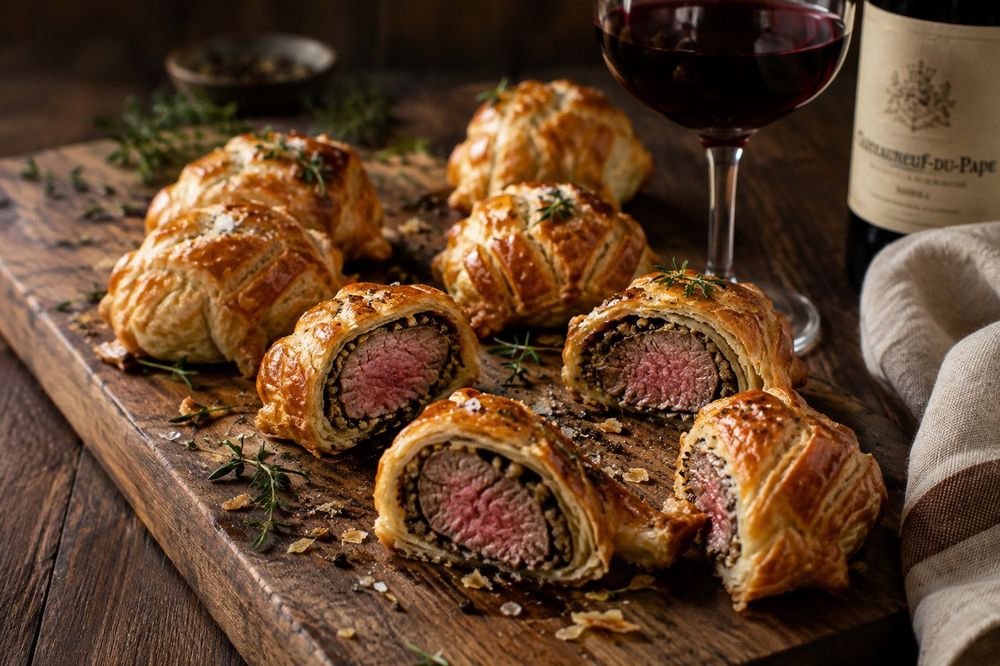
There is something about miniaturizing a classic that changes everything about how we experience it. Beef Wellington, in its full-sized form, is a dish that demands patience, precision, and a fair amount of nerve — get the pastry seal wrong and you're left with a soggy bottom instead of that coveted shatter-crisp exterior. Bite-sized, though, the margin for error shrinks along with the portion, and the payoff arrives faster. Tonight's recipe takes the architecture of the traditional roast — seared beef, mushroom duxelles, puff pastry — and restructures it into individually portioned bites that cook faster, plate beautifully, and pair with wine just as seriously as their full-sized counterpart.
I approach these bites the way I approach most technique-driven recipes: by breaking down what each component is doing structurally. The duxelles isn't just a flavor layer, it's a moisture barrier that keeps the pastry crisp. The sear on the beef isn't just for color, it's locking in juices before the interior continues cooking in the oven. Understanding these functions is what separates a Wellington that holds its shape from one that collapses on the plate.
This is also, fundamentally, a wine-driven recipe. The richness of the beef, the earthiness of the mushrooms, and the butter-forward pastry all create a flavor profile that's built to be elevated by a well-chosen glass. We'll get into pairing specifics further down, but the short version is: don't skip the wine tonight.
The Inspiration Behind This RecipeBeef Wellington has always struck me as one of those dishes that photographs like a special occasion but tastes like it should be eaten more often. Scaling it into bites solves that tension. You get the same layered construction — pastry, mushroom, beef — without committing an entire evening to one roast. It's a dish designed for a Wednesday that wants to feel a little more indulgent than the rest of the week.
I also wanted a recipe that showcased how much flavor concentration you can achieve in a small format. Each bite carries the same components as the full roast, just compressed, which actually intensifies the experience per mouthful.
A Brief History of Beef WellingtonThe origins of Beef Wellington are debated, though the dish is generally associated with British cuisine and possibly named in honor of the Duke of Wellington in the 19th century. Some food historians argue it's a British interpretation of the French filet de boeuf en croûte, a preparation with roots stretching back further into French culinary tradition. Regardless of its exact lineage, the dish became a symbol of formal dining by the mid-20th century, appearing on menus as the centerpiece of celebratory meals.
The bite-sized adaptation is a more modern convenience, born out of the catering and appetizer world, where hosts wanted the prestige of Wellington without the full commitment of carving a roast tableside.
Why This Cooking Method WorksSearing the beef before wrapping it accomplishes two things: it develops a Maillard crust for flavor, and it partially cooks the exterior so the meat doesn't overcook by the time the pastry is golden. The mushroom duxelles is cooked down separately to drive off excess moisture — critical, since any residual liquid will steam the pastry instead of letting it crisp. Chilling the assembled bites before baking firms the butter in the pastry, ensuring flaky layers rather than a dense, greasy shell.
Flavor Profile: What to ExpectThe finished bites deliver a study in contrast — crisp, buttery exterior giving way to a savory, umami-rich mushroom layer, followed by tender, medium-rare beef at the center. The earthiness of the duxelles balances the richness of the pastry, while a touch of Dijon or herb note cuts through the fat.
Tips for Making the Best Beef Wellington BitesKeep your beef cubes uniform in size so they cook evenly. Cook the duxelles until it's nearly dry — any lingering moisture is the enemy of crisp pastry. Chill the assembled bites for at least 15 minutes before baking; this single step prevents more failures than any other. Use an egg wash for color, and score the pastry lightly for visual appeal without compromising the seal.
Wine Pairing Guide- ★ Pinot Noir — bright acidity and soft tannins that won't overwhelm the delicate pastry.
- Cabernet Sauvignon — for those who want a bolder, more structured pairing with the beef.
- Côtes du Rhône — earthy and peppery notes that echo the mushroom duxelles.
- Chianti Classico — high acidity cuts through the richness of the pastry.
- Grenache — soft red fruit that complements without competing.
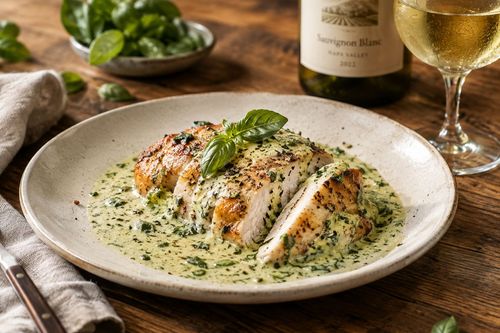
These bites shine as a passed appetizer or a plated starter with a small dressed arugula salad on the side to cut the richness. If you're building a full menu around them, consider following with something lighter like the Chicken Cutlets in Creamy Wine Pesto Sauce for contrast in texture and weight, or keep the evening entirely beef-forward with a heartier main.
Storage, Reheating, and Make-Ahead TipsAssemble the bites up to a day ahead and refrigerate unbaked, covered tightly. Bake fresh for best pastry texture. Leftovers can be reheated in a 350°F oven for 8-10 minutes to re-crisp the pastry — avoid the microwave, which will turn the crust soft and chewy.
Why This Recipe Deserves a Spot in Your Wine Wednesday RotationThis is a recipe that proves elegance doesn't require an entire evening of labor. It's technical enough to satisfy a craving for precision cooking, but the bite-sized format keeps it approachable for a weeknight. Pour something structured, plate a few bites, and let the midweek feel like an occasion worth savoring.
![[#~image_alt_1~#]](/_next/image?url=https%3A%2F%2Fd3klpa3rfwubzz.cloudfront.net%2Fmedia%2FAPI%20Uploads%2FDDH%2F865bbc76d76c137e84663bed2ec13c0c_fbe8110c2d.jpg&w=1920&q=75)