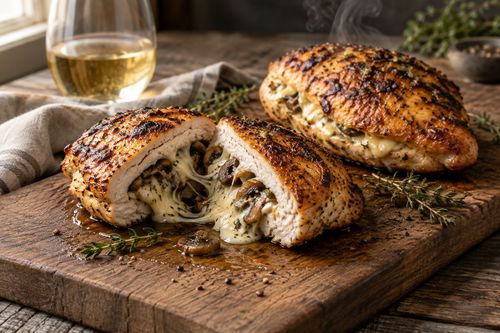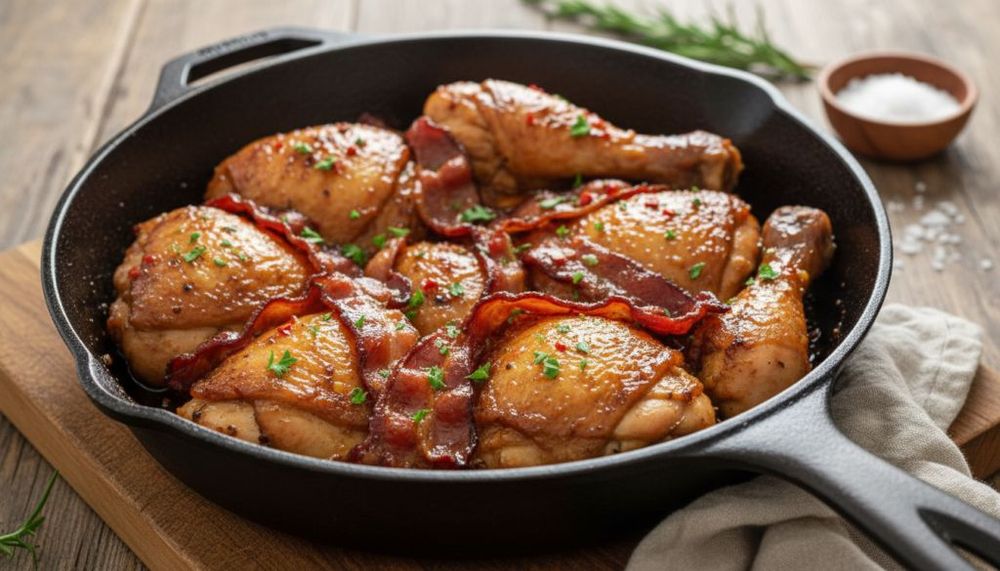

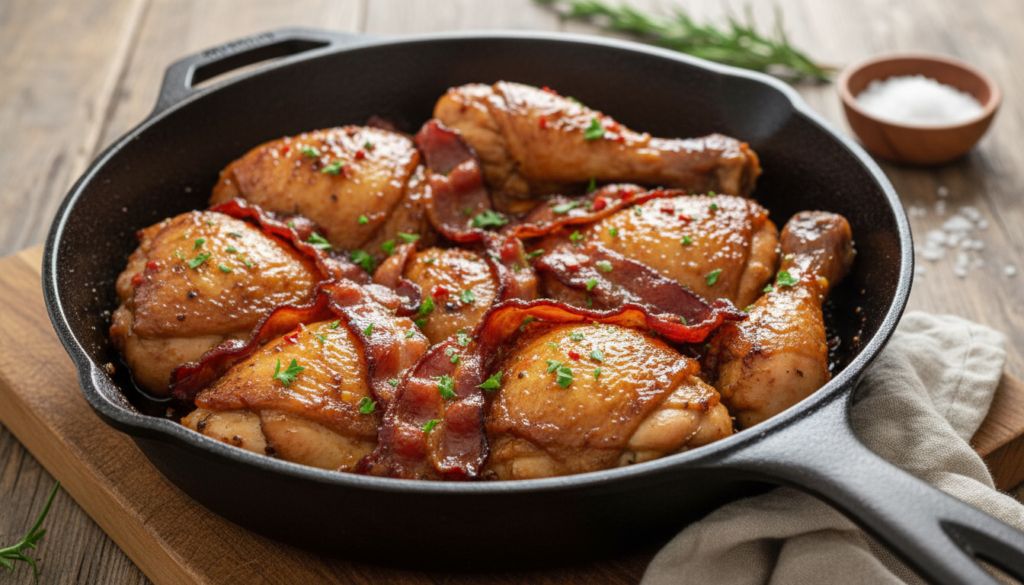


There’s something almost alchemical about the way bacon, brown sugar, and chicken come together in this recipe. The combination sounds simple—almost too simple—but the result is a dish that delivers layers of flavor and texture that feel far more sophisticated than the ingredient list suggests. The bacon crisps up while basting the chicken in its rendered fat, the brown sugar caramelizes into a sweet-savory glaze, and the chicken stays remarkably juicy thanks to that bacon wrapper acting as both seasoning and insulation.
I developed this recipe while exploring the sweet-and-savory pairings that define so much of American comfort cooking. The challenge was finding the right ratio of sugar to prevent the dish from tasting like dessert while still delivering that caramelized sweetness that makes the bacon irresistible. After numerous tests, I landed on a balance that creates complexity—the sugar enhances the bacon’s natural smokiness while the garlic powder adds aromatic depth that keeps everything grounded in savory territory.
What makes this technique particularly effective is its simplicity. Wrapping chicken in bacon isn’t just about flavor—it’s a practical solution to one of the biggest challenges in cooking chicken breast: keeping it moist. The bacon acts as a self-basting jacket, continuously delivering fat and flavor as it renders, while the brown sugar rub creates a protective crust that seals in juices. The result is chicken that’s tender, flavorful, and anything but ordinary.
─────────
The Inspiration Behind This Recipe
This dish emerged from the American tradition of wrapping lean proteins in bacon to add flavor and fat—a technique that’s been used for everything from filet mignon to turkey to vegetables. The addition of brown sugar represents a particularly American approach to balancing savory and sweet, similar to what you find in dishes like candied bacon or bourbon-glazed ham.
I wanted to create a version that felt special enough for entertaining but remained straightforward enough for weeknight cooking. The key was developing a spice rub that would complement rather than compete with the bacon’s smokiness. Garlic powder provides aromatic backbone without the risk of burning that fresh garlic would present during the relatively long baking time.
The technique draws inspiration from competition barbecue, where pork and chicken are often enhanced with sweet rubs that caramelize during cooking, creating complex flavor profiles that judges look for. I’ve adapted those principles for a simple oven method that anyone can execute successfully.
─────────
A Brief History of Bacon-Wrapped Dishes
The practice of wrapping lean meats in bacon or other fatty cuts dates back centuries to European cooking, where larding (inserting strips of fat into lean meat) was common practice before modern animal breeding produced fattier livestock. This technique traveled to America, where abundant pork made bacon wrapping an accessible way to enhance flavor and moisture in everything from game birds to beef tenderloin.
The addition of sweet elements like brown sugar reflects mid-20th century American cooking trends, when sweet-and-savory combinations became increasingly popular. Dishes like pineapple-glazed ham and sweet-and-sour pork captured American imaginations, leading home cooks to experiment with sugar in traditionally savory preparations.
This Bacon Brown Sugar Chicken represents that culinary evolution—taking a classic French technique (barding with bacon) and giving it a distinctly American twist with brown sugar and bold seasoning.
─────────
Why This Cooking Method Works
Baking at 375°F provides moderate heat that allows the bacon to render and crisp while the chicken cooks through without drying out. This temperature is hot enough to achieve Maillard browning on the bacon and caramelization of the sugar, but not so hot that the exterior burns before the interior reaches safe temperature.
The bacon wrapper serves multiple purposes: it adds flavor, yes, but more importantly it acts as a protective barrier that prevents moisture loss from the lean chicken breast. As the bacon fat renders, it continuously bastes the chicken, keeping it juicy. The brown sugar rub creates a crust that further seals in moisture while developing complex caramelized flavors.
Using a meat thermometer is crucial because wrapped chicken can appear done on the outside while remaining undercooked inside—the bacon’s color isn’t a reliable indicator of the chicken’s doneness.
─────────
Flavor Profile: What to Expect
This dish delivers a complex interplay of flavors and textures:
- Sweet caramelization from brown sugar that’s balanced rather than cloying
- Smoky, salty richness from crispy bacon
- Savory depth from garlic powder and black pepper
- Juicy, tender chicken that remains moist throughout
- Crispy exterior contrasting with tender meat
- Umami notes from the combination of rendered bacon fat and caramelized sugar
The result is a dish that satisfies multiple cravings at once—something sweet, something savory, something crispy, and something comforting.
─────────
Tips for Making the Best Bacon Brown Sugar Chicken
Technical precision elevates this simple dish significantly:
- Use thick-cut bacon: Regular bacon can become too crispy and brittle; thick-cut provides better coverage and texture.
- Pound chicken evenly: Uniform thickness ensures even cooking—the thin end shouldn’t overcook while waiting for the thick end.
- Wrap tightly: Secure bacon ends underneath the chicken so they don’t unravel during cooking.
- Don’t oversaturate with sugar: Too much will burn and become bitter; a generous coating is sufficient.
- Use a meat thermometer: The only reliable way to ensure both safety and optimal texture is checking internal temperature.
- Let it rest: Allow 5 minutes after baking for juices to redistribute before slicing.
For extra caramelization, you can briefly broil during the last 2-3 minutes of cooking, watching carefully to prevent burning.
─────────
Serving Suggestions and Side Pairings
This rich, flavorful chicken pairs beautifully with sides that provide balance:
- Roasted vegetables like Brussels sprouts or green beans
- Creamy mashed potatoes or sweet potatoes to complement the sweetness
- Simple green salad with vinaigrette to cut the richness
- Rice pilaf or wild rice for a neutral starch
- Roasted asparagus or broccoli for color and nutrition
The dish is substantial and flavorful enough that simple, relatively plain sides work best to let the chicken shine.
─────────
Storage, Reheating, and Make-Ahead Tips
This chicken stores reasonably well but is best enjoyed fresh:
- Refrigerate leftovers in an airtight container for up to 3 days
- Reheat in a 350°F oven covered with foil to prevent drying, or slice and use cold in salads
- Prep ahead by wrapping chicken and applying rub up to 24 hours before baking—refrigerate until ready to cook
- Freeze wrapped but uncooked chicken for up to 2 months—thaw completely before baking
The bacon won’t be quite as crispy after reheating, but the flavors remain excellent. Sliced leftovers work wonderfully in sandwiches or chopped into salads.
─────────
Why This Recipe Deserves a Spot in Your Rotation
This Bacon Brown Sugar Chicken proves that impressive cooking doesn’t require complicated techniques or exotic ingredients. It delivers restaurant-quality results with four main ingredients and straightforward preparation, making it accessible to cooks at any skill level. The combination of sweet and savory appeals to diverse palates, from kids who love the bacon to adults who appreciate the sophisticated flavor balance.
Once you’ve experienced how wrapping in bacon solves the perpetual problem of dry chicken breast while adding incredible flavor, you’ll find yourself reaching for this technique regularly and maybe even experimenting with different rubs and seasonings.
─────────
Recommended Drink Pairing
The sweet-savory richness of this chicken pairs wonderfully with drinks that offer balancing acidity or complementary sweetness. A Pinot Noir or Zinfandel provides fruit-forward notes that complement the brown sugar without competing. For beer, an amber ale or brown ale echoes the caramel notes beautifully.
For non-alcoholic options, unsweetened iced tea with lemon cuts through the richness, while apple cider (hot or cold depending on season) echoes the sweet notes without overwhelming. Sparkling water with a squeeze of citrus also provides refreshing contrast.ian flavors perfectly, while sparkling water with lime provides palate-cleansing refreshment between bites.