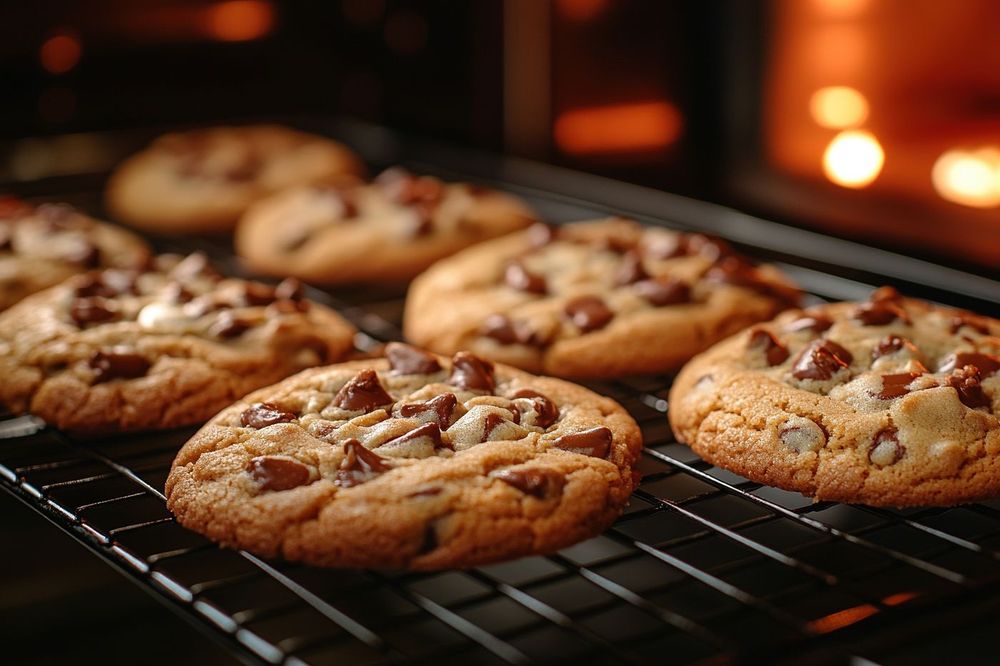

You make cookies from a recipe that’s supposed to work.
But they don’t turn out right.
Either they spread into thin, crispy discs that merge together on the pan. Or they stay in tight balls that barely flatten, baking up thick and cakey instead of chewy.
The recipe works for other people. You see their pictures. Perfect cookies with just the right amount of spread.
So what’s different when you make them?
Usually, it’s not the recipe. It’s small variables in your ingredients, technique, or environment that you didn’t realize mattered.
Understanding what causes cookies to spread—or not spread—is what separates consistent results from the cookie lottery.
The Butter Temperature Is Wrong
This is the most common culprit.
Butter that’s too soft or melted spreads excessively before the cookies set in the oven. The dough has no structure. By the time the edges firm up, the cookies are thin and flat.
Butter that’s too cold doesn’t cream properly with sugar. The dough doesn’t incorporate enough air. The cookies don’t spread adequately and bake up dense and puck-like.
The correct temperature is “room temperature”—which means around 65°F to 68°F. The butter should be cool to the touch, but soft enough to leave a fingerprint when pressed.
Not warm. Not greasy. Not melted. Just pliable.
Chefs are precise about butter temperature. They know that a few degrees makes the difference between cookies that spread correctly and cookies that don’t.
Home bakers often soften butter in the microwave, which melts the edges while leaving the center cold. Or they use butter straight from the fridge because they’re impatient.
Take butter out 30 to 60 minutes before baking. Let it come to room temperature naturally. Don’t rush it.
That alone will solve most spreading problems.
The Flour Is Measured Incorrectly
Too much flour and cookies stay dense and don’t spread. Too little flour and they spread excessively.
The problem is that flour is notoriously inconsistent when measured by volume.
Scooping flour directly from the container compacts it. You end up with 20% to 30% more flour than the recipe intended. The dough is dry and stiff. Cookies don’t spread.
Spooning flour into the measuring cup creates the opposite problem—the flour is aerated. You get less than intended. The dough is too loose. Cookies spread too much.
Chefs weigh flour. A cup of all-purpose flour should weigh 120 to 125 grams. That’s consistent regardless of how it’s handled.
Home bakers measure by volume and wonder why their results are inconsistent. The flour amount changes every time based on how they scoop it.
If you’re serious about baking, weigh your flour. If you’re measuring by volume, spoon flour into the cup and level it off—never scoop directly.
This single change will make your cookies more consistent.
The Dough Wasn’t Chilled
Warm cookie dough spreads excessively in the oven before the structure sets.
Cold dough holds its shape longer. The cookies firm up before they spread too much, creating the ideal texture.
Chefs chill cookie dough for at least 30 minutes before baking. Often longer—24 hours or more for certain recipes.
This firms up the butter, allows flour to hydrate fully, and gives the dough time to rest. All of these factors reduce spread and improve flavor.
Home bakers often mix dough and immediately bake it. The dough is soft. The butter hasn’t had time to firm. The cookies spread thin.
Chill your dough. Even 30 minutes helps. An hour is better. Overnight is ideal for many recipes.
If you’re in a hurry and can’t chill the dough, at least chill the portioned dough balls for 15 minutes before baking. It’s not as effective as chilling the whole batch, but it helps.
The Oven Temperature Is Off
Oven thermostats are notoriously inaccurate. Your oven might say 350°F but actually be 325°F or 375°F.
Too cool and cookies spread excessively before they set. Too hot and they set before spreading properly.
The difference of 25 degrees determines whether cookies turn out right or wrong.
Chefs use oven thermometers. They don’t trust the built-in thermostat. They know the actual temperature and adjust accordingly.
Home bakers assume their oven is accurate. It probably isn’t. Most home ovens are off by at least 15 to 25 degrees.
Buy an oven thermometer. Put it in your oven. Check what temperature it actually reaches when set to 350°F.
If it’s off, adjust the dial to compensate. Set it to 375°F if your oven runs cool, 325°F if it runs hot.
This fixes spreading problems you thought were recipe issues but were actually temperature problems.
The Baking Sheet Is Wrong
Dark baking sheets absorb more heat. Cookies on dark pans bake faster on the bottom, setting before they spread properly.
Light-colored, shiny pans reflect heat. Cookies take longer to set, spreading more before they firm up.
Insulated baking sheets have an air pocket that slows bottom browning dramatically. Cookies spread more because they take longer to set.
Chefs choose pans based on what they’re making. For cookies that should spread moderately, they use light-colored aluminum pans.
Home bakers use whatever pans they have—sometimes dark nonstick, sometimes insulated, sometimes thin and warped.
Each pan behaves differently. The same dough produces different results depending on the pan.
Use light-colored, heavy aluminum baking sheets for the most predictable results. If you only have dark pans, reduce oven temperature by 25°F to compensate.
There’s Too Much or Too Little Sugar
Sugar affects spread significantly.
More sugar means more spread. Sugar melts and liquefies during baking, creating a fluid dough that spreads before firming.
Less sugar means less spread. The dough stays more solid and doesn’t flow as much.
If you’re modifying recipes—cutting sugar to make them less sweet—you’re also changing spread.
Chefs know this. They adjust other ingredients if they change sugar levels.
Home bakers often reduce sugar without understanding the consequences. The cookies don’t spread properly, and they don’t know why.
Stick to recipe sugar amounts until you understand how changing them affects texture.
Baking Soda vs. Baking Powder Makes a Difference
Baking soda creates spread. It’s alkaline, which encourages browning and allows cookies to flatten before setting.
Baking powder creates less spread. It produces more rise, creating thicker, cakier cookies.
Many recipes use both in specific ratios to achieve desired spread and texture.
Using the wrong leavener or wrong amount changes everything.
Chefs follow recipes precisely regarding leaveners. They know these aren’t interchangeable.
Home bakers sometimes substitute or adjust amounts, thinking they’re similar. They’re not. The results are dramatically different.
Use exactly what the recipe calls for. If it says baking soda, don’t use baking powder. If it specifies amounts, measure precisely.
The Eggs Are the Wrong Size
Most recipes assume large eggs. Using medium or extra-large changes the dough’s moisture content.
Too much egg and dough is wet. Cookies spread excessively.
Too little egg and dough is dry. Cookies don’t spread enough.
The difference between a medium and large egg is about 1 tablespoon of liquid. That’s enough to noticeably change cookie texture.
Chefs use large eggs unless specified otherwise. They know size matters.
Home bakers sometimes use whatever eggs they have. The dough behaves differently, and they don’t realize egg size is the variable.
Buy large eggs for baking. If you only have medium or extra-large, adjust accordingly—reduce liquid slightly for extra-large, add a bit more for medium.
The Dough Balls Are Different Sizes
Inconsistent portioning creates inconsistent baking.
Large dough balls spread more slowly and bake differently than small ones. On the same pan, some cookies spread properly while others don’t.
Chefs use cookie scoops or weigh dough portions. Every cookie is identical in size.
This ensures even baking and consistent spread across all cookies.
Home bakers often eyeball portions or roll dough balls by hand without measuring. Sizes vary. Baking is inconsistent.
Use a cookie scoop or scale. Portion dough to consistent sizes. Your cookies will bake more uniformly.
The Pan Is Crowded
Cookies need space to spread without touching each other.
Place them too close and they merge during baking. They also trap steam, which affects texture and spread.
Chefs leave at least 2 inches between cookies. More for recipes that spread significantly.
They’d rather bake in multiple batches than crowd a pan.
Home bakers often try to fit as many cookies as possible on one pan. The cookies touch. They bake unevenly.
Give cookies room. Use multiple pans if necessary. Proper spacing ensures even baking and appropriate spread.
What You Can Do This Weekend
Let butter come to room temperature naturally—cool to the touch but soft enough to leave a fingerprint.
Weigh your flour if possible. If measuring by volume, spoon it in and level it off.
Chill cookie dough for at least 30 minutes before baking. Longer is better.
Check your oven temperature with a thermometer. Adjust the dial if it’s off.
Use light-colored baking sheets with 2 inches between cookies.
Portion dough consistently with a scoop or scale.
These steps eliminate the variables that cause unpredictable spread. Your cookies will finally turn out consistent instead of being a gamble every time.
The Takeaway
Cookie spread isn’t random or mysterious.
It’s the result of specific variables: butter temperature, flour measurement, dough temperature, oven accuracy, pan type, sugar amount, leavener type.
Get these right and cookies spread exactly as they should. Get them wrong and cookies either spread too much or not enough—no matter how good the recipe is.
Restaurants and bakeries produce consistent cookies because they control these variables. Same butter temperature every time. Weighed flour. Chilled dough. Calibrated ovens.
Home bakers often ignore these factors, thinking cookies are simple and forgiving. They’re simple in concept. But they’re not forgiving about precision.
Small variations in any of these factors create big differences in results.
Now you know what those factors are.
Control them, and your cookies finally turn out right.
Every single time.