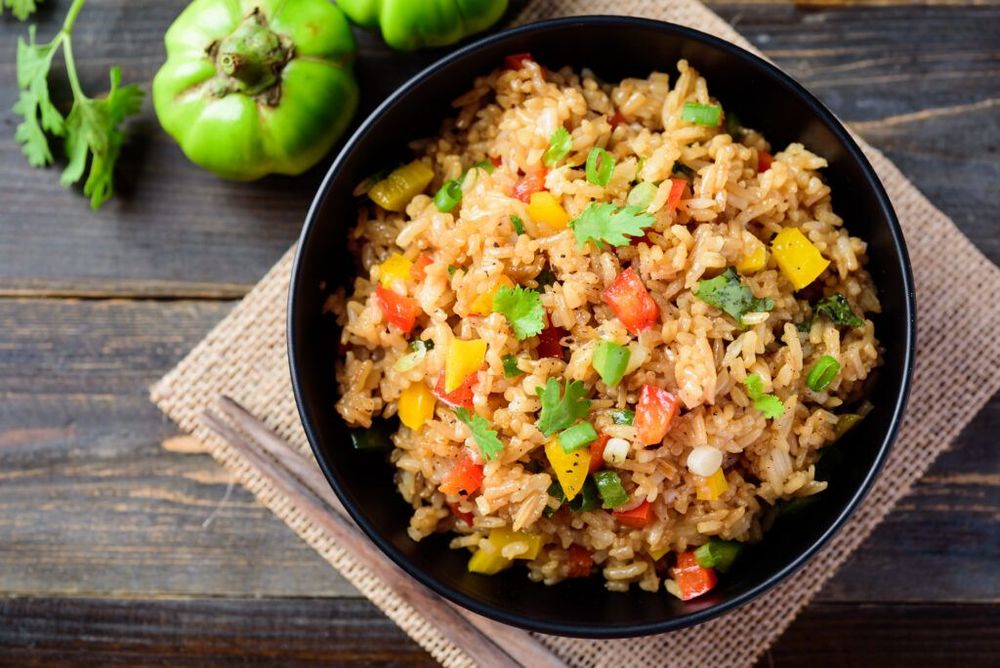

You make fried rice at home.
Cooked rice. Vegetables. Eggs. Soy sauce. Heat.
It comes out fine. Edible. But it’s not quite right.
The rice clumps together instead of staying separate. It’s soft and a bit mushy instead of distinct and slightly crispy. The flavors seem muddled rather than bright and clear.
Restaurant fried rice is completely different. Each grain is separate. The texture has contrast—some parts tender, some parts crispy. Every bite tastes intentional.
The difference isn’t a secret sauce or special equipment.
It’s a series of decisions about which rice to use, when to cook it, how hot your pan needs to be, and what order everything gets added.
Most home cooks get all of these wrong without realizing it.
You’re Using Fresh Rice
This is the biggest mistake.
Freshly cooked rice is too moist. The grains stick together. When you try to fry it, it steams instead of crisps.
The result is clumpy, soft fried rice that never develops the texture it should.
Chefs use day-old rice. Rice that’s been refrigerated overnight dries out slightly. The grains firm up and separate.
This drier, firmer rice fries properly. It doesn’t clump. It develops crispy bits. Each grain stays distinct.
Restaurants deliberately cook rice a day ahead for fried rice. It’s not leftover rice by accident—it’s rice prepared specifically for this purpose.
At home, people often cook rice the same day they want to make fried rice. Sometimes they cook it and immediately try to fry it while it’s still warm.
That guarantees mushy, clumped fried rice.
If you want good fried rice, cook the rice at least several hours ahead—ideally the day before. Spread it on a sheet pan to cool quickly, then refrigerate uncovered. This dries it out and prepares it for frying.
The Pan Isn’t Hot Enough
Fried rice requires extremely high heat.
The kind where oil smokes slightly. Where ingredients sizzle aggressively the moment they hit the pan.
On medium or medium-high heat, you’re not frying rice. You’re warming it. Steaming it. The rice absorbs moisture instead of crisping.
Chefs use the highest heat their equipment allows. Wok burners in restaurants produce much more heat than home stoves—but even on a home stove, you should be using maximum heat.
The pan should be hot enough that you can’t hold your hand over it comfortably.
Home cooks often use moderate heat, worried about burning. But without intense heat, you’ll never get proper fried rice. You’ll just get warm, soft rice with stir-fried ingredients mixed in.
Crank the heat. Yes, it might smoke. Yes, you might need to open windows. That’s what proper fried rice requires.
You’re Cooking Too Much at Once
A pan full of rice and vegetables can’t maintain temperature.
The mass of cold ingredients drops the pan temperature dramatically. Everything steams in its own moisture instead of frying.
Restaurants make fried rice in small batches. Sometimes just one or two portions at a time, even during busy service.
This keeps the pan screaming hot. Each batch fries properly because the heat stays consistent.
At home, people try to make fried rice for the whole family in one pan. The pan cools. The rice steams. The texture suffers.
If you’re making fried rice for more than two people, do it in batches. Or accept that it won’t be as good as restaurant fried rice.
High heat and small quantities aren’t negotiable. Compromise on either and the texture suffers.
The Rice Hasn’t Been Broken Up
Day-old refrigerated rice clumps together in the container.
If you dump it directly into the pan without breaking it up first, those clumps won’t separate during cooking.
You end up with fried rice that has large chunks of stuck-together grains—some parts crispy, some parts still clumped and steamed.
Chefs break up cold rice before it goes in the pan. They use their hands to separate the grains, breaking apart clumps so everything starts as individual grains.
This seems tedious. It’s essential. Rice that goes into the pan already separated stays separated. Rice that goes in clumped stays clumped.
Take the extra minute. Break up the rice thoroughly with your hands before you start cooking.
The Ingredients Are Added in the Wrong Order
Fried rice isn’t everything tossed in at once.
It’s a carefully orchestrated sequence. Each ingredient gets added at the right time to cook properly without overcooking others.
Aromatics first—garlic, ginger, scallions—just until fragrant. Maybe 20 seconds.
Vegetables that need cooking—carrots, peas, bell peppers. A minute or two.
Rice next, spread out across the hot pan. Let it sit undisturbed for 30 seconds to develop crispy bits, then toss.
Egg added at the end, cooked quickly and broken up.
Soy sauce and seasonings in the final 30 seconds.
Each ingredient gets exactly the time it needs. Nothing overcooks waiting for something else to finish.
Home cooks often add everything together or in random order. Some ingredients overcook, others undercook. The final dish is inconsistent.
Stage your ingredients. Add them in sequence. Don’t rush.
There’s Not Enough Oil
Fried rice needs more oil than you think.
Not enough to deep fry it. But enough to coat every grain and create the conditions for crisping.
Restaurants use several tablespoons of oil for a single portion of fried rice. It seems like a lot. It’s what makes the rice fry instead of steam.
Home cooks use a minimal amount, thinking they’re keeping it healthy. The rice doesn’t fry. It just gets warm and slightly greasy without developing texture.
Use enough oil. If that’s uncomfortable, make fried rice less often and use proper technique when you do.
Skimping on oil guarantees inferior results.
The Pan Is the Wrong Shape
A large, flat pan or wok with sloped sides allows you to push ingredients up the sides while keeping others in the hottest zone.
This control is essential for fried rice. You cook ingredients in stages, moving them to cooler areas when they’re done while continuing to cook others.
A small, deep pan doesn’t give you this control. Everything sits in the hot zone all the time. Ingredients overcook while you’re trying to add and cook others.
Chefs use woks or large skillets specifically because the shape facilitates the technique.
Home cooks often use whatever pan is handy. If it’s too small or the wrong shape, the cooking process becomes difficult.
Use the largest pan or wok you have. You need space and the ability to move ingredients around.
The Soy Sauce Is Added Too Early
Adding soy sauce at the beginning makes rice wet again.
The rice absorbs liquid and becomes soft instead of staying crispy. You lose the texture you’ve been building.
Chefs add soy sauce at the very end—in the last 30 seconds of cooking. Just long enough for it to coat everything and evaporate slightly, but not long enough to make the rice soggy.
Home cooks often add soy sauce early or in the middle, thinking they’re building flavor. They’re actually destroying texture.
Season at the end. Once the rice is crispy and everything is cooked, add soy sauce, toss for 30 seconds, and serve immediately.
The Eggs Aren’t Cooked Properly
Eggs in fried rice should be tender, not rubbery.
Overcooked eggs added early in the process become tough little bits that don’t contribute much beyond protein.
Chefs either scramble eggs separately and add them at the end, or they push rice to the sides, scramble eggs in the center quickly, then mix everything together.
The eggs cook just until set—maybe 30 seconds. Still soft, still tender.
Home cooks often add beaten eggs at the beginning and let them cook along with everything else for several minutes. By then, the eggs are overcooked and rubbery.
Eggs go in last. Cook them quickly. Keep them tender.
There’s No Wok Hei
Wok hei—the smoky, slightly charred flavor that comes from high-heat cooking—is the signature of great fried rice.
It only develops with extreme heat and proper technique. The rice needs to hit a blazing hot surface and develop some charred bits.
Restaurant wok burners are powerful enough to create wok hei easily. Home stoves aren’t.
But you can approximate it by using maximum heat, a well-seasoned pan or wok, and allowing the rice to sit undisturbed on the hot surface for brief moments.
Those brief moments of contact with extreme heat create the charred bits and smoky flavor that make fried rice taste like fried rice.
Home cooks constantly stir and toss, never letting anything develop char. The rice cooks, but it tastes flat.
Let the rice sit undisturbed for 30-second intervals between tosses. Those char spots are what create flavor.
The Vegetables Are Wet
Wet vegetables release moisture into the pan, which steams the rice instead of allowing it to crisp.
Restaurants prep vegetables ahead and make sure they’re dry before they go in the wok.
Home cooks often rinse vegetables and add them immediately, still wet. That moisture goes directly into the pan and creates steam.
Dry your vegetables thoroughly. If they’re frozen, thaw and pat them dry.
This seems minor. But moisture is the enemy of crispy fried rice. Every bit of extra water in the pan works against you.
You’re Not Using MSG
Restaurants use MSG in fried rice. It’s part of why theirs tastes more savory and satisfying.
MSG is a naturally occurring compound that enhances umami flavor. It’s in tomatoes, cheese, mushrooms—and in fried rice seasoning.
Home cooks often avoid it due to outdated fears. The science is clear: MSG is safe and effective.
If you want fried rice that tastes like restaurant fried rice, a small amount of MSG helps. It’s not required, but it’s one reason restaurant versions taste more intensely savory.
Use it or don’t. But know that its absence is one factor in why your fried rice might taste less vibrant.
What You Should Do This Weekend
Cook rice today. Spread it on a sheet pan, let it cool, refrigerate it uncovered overnight.
Tomorrow, break up the rice with your hands to separate all the grains.
Heat your wok or largest pan on maximum heat. Add more oil than seems reasonable—at least 2 to 3 tablespoons.
Cook aromatics briefly. Add vegetables. Then rice, spreading it out. Let it sit for 30 seconds before tossing. Repeat several times to develop char.
Push rice to the sides, scramble eggs in the center quickly. Mix everything together.
Add soy sauce and seasonings in the last 30 seconds. Toss and serve immediately.
That’s the technique. That’s what produces fried rice with texture, flavor, and that characteristic restaurant quality.
The Takeaway
Restaurant fried rice isn’t better because of secret ingredients.
It’s better because of day-old rice, extreme heat, small batch sizes, proper sequencing, adequate oil, and technique that creates texture.
Home cooks fail at fried rice because they use fresh rice, moderate heat, and try to cook too much at once in the wrong pan.
These aren’t small details. They’re the entire reason fried rice succeeds or fails.
You can’t make great fried rice with fresh rice. You can’t make it without high heat. You can’t make a large batch in one pan and expect restaurant results.
Accept these constraints and work within them.
Do that, and your fried rice will finally taste like the fried rice you’ve been trying to replicate.
Not close. Identical.
The way it should be.