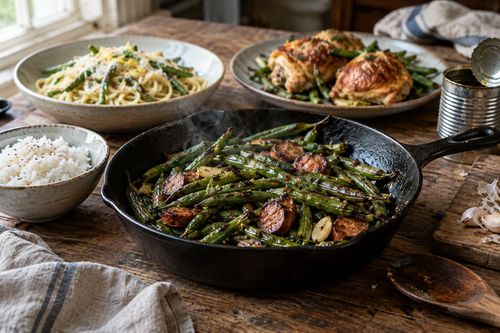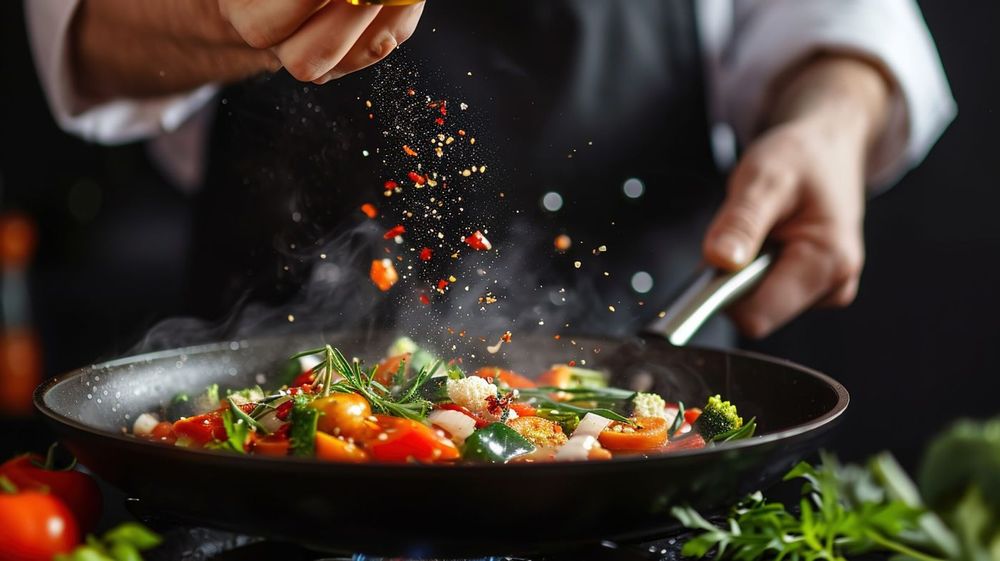

You sauté vegetables hoping for caramelized, flavorful results.
Instead, they release water. The pan fills with liquid. The vegetables steam instead of browning.
By the time the water evaporates, the vegetables are overcooked and mushy. They taste bland and watery instead of sweet and concentrated.
Restaurant sautéed vegetables are different. Crisp-tender. Lightly browned. No puddles of water in the pan.
You assumed it was the vegetables themselves—that restaurants have access to better produce.
Sometimes quality matters. But usually, watery sautéed vegetables are the result of specific mistakes that cause vegetables to release moisture instead of caramelize.
Understanding what triggers water release is what separates successful sautéing from the steamed, watery mess you keep ending up with.
The Pan Isn’t Hot Enough
This is the primary cause of watery sautéed vegetables.
When vegetables hit a pan that’s only moderately warm, they slowly heat up and start releasing moisture before any browning can occur.
That moisture creates steam. The vegetables essentially boil in their own liquid instead of sautéing.
Chefs preheat pans thoroughly before adding vegetables. The pan should be hot enough that vegetables sizzle immediately on contact.
That instant sear keeps moisture inside the vegetables initially, allowing the exterior to brown before the interior starts breaking down.
Home cooks often add vegetables to pans that are barely warm, worried about burning. The vegetables never sear. They just gradually heat up and weep water.
Heat your pan properly. It should be hot—legitimately hot—before vegetables go in. You should hear an immediate, aggressive sizzle.
Without that initial sear, you’re guaranteed watery vegetables.
The Pan Is Overcrowded
Too many vegetables in the pan means they’re packed tightly together.
When vegetables release any moisture—which they will—that moisture has nowhere to escape. It pools in the pan.
The temperature drops from the sheer mass of cold vegetables. Everything steams instead of sautéing.
Chefs sauté vegetables in batches. They keep the pan no more than half full. This allows proper heat circulation and moisture evaporation.
Home cooks often pile vegetables into the pan, trying to cook everything at once. The pan cools. Moisture accumulates. Sautéing becomes steaming.
Work in batches. Don’t fill the pan more than halfway. Give vegetables room to actually sauté instead of steam each other.
You’re Stirring Too Much
Constant stirring prevents vegetables from developing contact with the hot pan surface.
That contact is what drives off surface moisture and creates browning.
Without sustained contact, vegetables just tumble around, releasing water without ever getting hot enough to caramelize.
Chefs let vegetables sit undisturbed for 30 to 60 seconds between stirs. This allows the side touching the pan to brown and develop flavor.
Then they toss or stir briefly and let vegetables sit again.
Home cooks often stir continuously, thinking it prevents sticking or ensures even cooking. It actually prevents proper sautéing.
Add vegetables. Let them sit for 30 to 60 seconds. Toss or stir quickly. Let them sit again. Repeat.
Those moments of uninterrupted contact are what create caramelization instead of water release.
The Vegetables Are Too Wet
Surface moisture on vegetables immediately turns to steam when they hit the hot pan.
That steam keeps vegetables wet and prevents browning. It also cools the pan, making the problem worse.
Chefs dry vegetables thoroughly after washing. They want them as dry as possible before sautéing.
Even vegetables that weren’t washed can have surface moisture from condensation or storage. These need drying too.
Home cooks often rinse vegetables and immediately start cooking while they’re still damp. Or they don’t dry vegetables that came from cold storage.
Dry your vegetables. Use paper towels or a clean kitchen towel. Pat them completely dry before they go in the pan.
This eliminates the surface moisture that would immediately become steam.
You’re Using Frozen Vegetables
Frozen vegetables are full of ice crystals. When those crystals melt, they release large amounts of water.
No amount of heat or technique can prevent frozen vegetables from releasing this water during sautéing.
Chefs use fresh vegetables for sautéing. Frozen vegetables get steamed or used in soups where their moisture content isn’t a problem.
Home cooks sometimes try to sauté frozen vegetables for convenience. The vegetables release water. The pan fills with liquid. Proper sautéing becomes impossible.
Use fresh vegetables for sautéing. If you must use frozen, thaw them completely and squeeze out excess moisture first.
Even then, they won’t sauté as well as fresh vegetables.
The Heat Is Too Low
Medium or medium-low heat isn’t aggressive enough to drive off moisture as it’s released.
Vegetables release water. That water sits in the pan. The vegetables steam in it.
High heat evaporates moisture quickly as it’s released. The vegetables stay relatively dry and can brown properly.
Chefs use medium-high to high heat for sautéing vegetables. The aggressive heat is what prevents water accumulation.
Home cooks often use moderate heat, especially if they’ve burned vegetables before. The heat isn’t sufficient to handle the moisture vegetables release.
Use higher heat than feels comfortable. The pan should stay hot even after vegetables are added.
That sustained high heat is what keeps water from pooling.
You’re Adding Salt Too Early
Salt draws moisture out of vegetables. It’s useful for some preparations but problematic for sautéing.
Salt added before or early during sautéing extracts water from the vegetables. That water pools in the pan.
Chefs salt vegetables after they’ve developed some browning—or at the very end of cooking.
This seasons without drawing out moisture that would prevent proper sautéing.
Home cooks often salt vegetables before adding them to the pan or immediately after. The salt pulls water out. The pan fills with liquid.
Wait to salt. Let vegetables brown first. Add salt near the end of cooking or after removing from heat.
The Pan Material Doesn’t Retain Heat
Thin pans lose heat quickly when cold vegetables are added.
The temperature drops below the threshold needed for sautéing. Vegetables release moisture before the pan can reheat.
Heavy pans—cast iron, thick stainless steel—hold heat better. They maintain high temperature even when cold vegetables are added.
Chefs use heavy pans for sautéing. They need that thermal mass to maintain heat.
Home cooks often use thin nonstick or aluminum pans. These cool too quickly. Vegetables start releasing water before proper searing can occur.
Use your heaviest pan for sautéing vegetables. The retained heat is what prevents moisture accumulation.
You’re Not Using Enough Oil or Fat
Oil conducts heat and creates a barrier between vegetables and pan. It also helps moisture evaporate rather than pool.
Insufficient oil means vegetables make direct contact with the pan in spots, releasing moisture that has nowhere to go.
Chefs use generous amounts of oil for sautéing—enough to coat the pan bottom and coat the vegetables lightly.
Home cooks often use minimal oil, trying to keep things light. The vegetables stick and release moisture.
Use more oil than you think you need. Two to three tablespoons for a large pan of vegetables.
The oil creates better heat transfer and helps moisture evaporate instead of accumulating.
The Vegetables Are Cut Too Small
Very small vegetable pieces cook through quickly and release their moisture before browning can develop.
By the time they develop any color, they’re overcooked and have expelled much of their water.
Chefs cut vegetables into substantial pieces—large enough to develop exterior browning while maintaining structure.
Home cooks often cut vegetables small, thinking smaller pieces cook faster. They do cook faster—but they also release water faster and overcook easily.
Cut vegetables larger. Aim for pieces at least 1 inch. They’ll hold together better and release less water during sautéing.
You’re Cooking High-Moisture Vegetables
Some vegetables are naturally very wet—zucchini, tomatoes, mushrooms, eggplant.
These release significant water no matter what technique you use.
Chefs account for this. They either salt and drain these vegetables first to extract water, or they use very high heat and small batches.
Or they choose different cooking methods—roasting or grilling—where moisture isn’t as problematic.
Home cooks often sauté high-moisture vegetables using the same technique as for firmer vegetables. Water release is inevitable.
For zucchini, mushrooms, and similar: use very high heat, small batches, and expect some water. Or salt them first and let them drain for 20 minutes.
The Lid Is On
Covering vegetables while sautéing traps steam and moisture.
The vegetables steam instead of sauté, even if everything else is correct.
Chefs never cover pans while sautéing. They want moisture to escape, not accumulate.
Home cooks sometimes cover vegetables to “help them cook faster.” This guarantees water accumulation.
Leave the lid off. Let moisture evaporate. Only cover vegetables if you’re deliberately steaming them, not sautéing.
What You Should Do Tonight
Pat your vegetables completely dry. Cut them into substantial pieces—at least 1 inch.
Heat your heaviest pan over medium-high to high heat. Add 2 to 3 tablespoons of oil. Let it heat until it shimmers.
Add vegetables—don’t overcrowd. They should cover no more than half the pan bottom.
Let them sit undisturbed for 45 to 60 seconds. Toss or stir briefly. Let sit again.
Continue until vegetables are browned and tender but still have structure. Salt at the end.
That process produces vegetables that brown and caramelize instead of releasing water and steaming.
The Takeaway
Watery sautéed vegetables aren’t about the vegetables themselves or bad technique.
They’re about insufficient heat, overcrowding, or wet vegetables that release moisture faster than it can evaporate.
Every one of these problems is preventable.
Restaurants serve properly sautéed vegetables because they use hot pans, cook in batches, dry vegetables thoroughly, and let them develop contact with the heat source.
Home cooks often use moderate heat, overcrowd pans, cook wet vegetables, and stir constantly. All of these decisions guarantee water release.
But now you know what prevents moisture accumulation.
Hot pan. Small batches. Dry vegetables. Minimal stirring. High sustained heat.
Do that and your vegetables finally sauté properly instead of releasing water and steaming.
Not watery. Not steamed. Actually sautéed.
The way they should be.