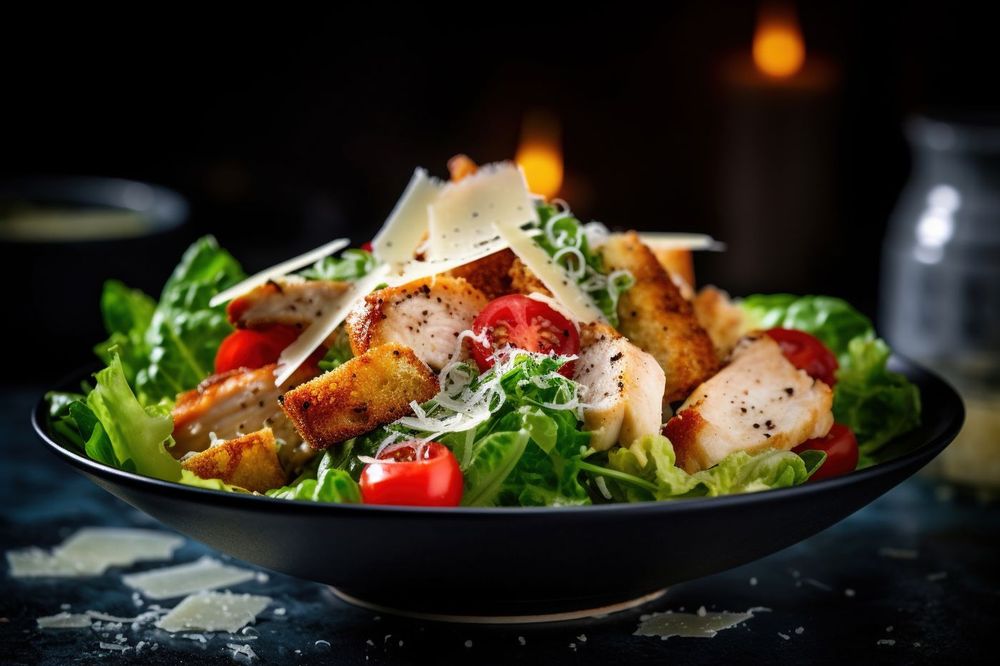

You order a salad at a restaurant and it’s perfect.
Every bite is balanced. The greens are crisp. The dressing clings without pooling. Everything tastes intentional.
Then you make a salad at home and it’s… fine.
The lettuce is wet. The dressing slides to the bottom of the bowl. Some bites are bland, others are overdressed. It’s technically a salad, but it’s not the same.
The gap isn’t about having access to exotic ingredients or fancy vinegars. It’s about understanding a few fundamental principles that most home cooks overlook entirely.
They Dry the Greens Completely
Wet lettuce is the silent killer of salads.
Water dilutes dressing. It prevents it from adhering to the leaves. It creates a puddle at the bottom of the bowl that tastes like watered-down vinegar.
Restaurants wash their greens hours ahead of service and spin them bone dry in industrial salad spinners. Then they store them wrapped in towels to absorb any remaining moisture.
By the time those greens get dressed, they’re completely dry. The dressing sticks. Every leaf gets coated evenly.
Most home cooks rinse lettuce and give it a half-hearted shake or a few weak spins. The leaves are still damp when the dressing goes on.
That dampness is why your salad never tastes as good as it should.
The Dressing Is Made Fresh
Bottled dressing tastes like bottled dressing.
It’s shelf-stable because it’s loaded with stabilizers, thickeners, and preservatives. Those ingredients keep it from separating, but they also give it that characteristic thick, gloopy texture.
Restaurant dressing is whisked together minutes before service. Oil, acid, salt, maybe a touch of mustard or honey to help it emulsify.
It’s thinner. Lighter. It coats greens instead of weighing them down.
And because it’s made fresh, the flavors are brighter—nothing’s been sitting in a bottle for weeks, slowly oxidizing and losing its edge.
They Season the Greens, Not Just the Dressing
Most people toss salad with dressing and call it done.
Chefs season at multiple stages.
Salt on the greens themselves before the dressing goes on. This brings out their natural flavor and helps the dressing adhere better.
Pepper freshly cracked over the top after tossing. Maybe a sprinkle of flaky salt at the very end for texture.
Each addition builds layers of seasoning instead of relying on the dressing to do all the work.
The result is a salad where every component tastes seasoned, not just the parts that happened to catch some dressing.
Less Dressing, Better Distribution
Home cooks tend to overdress salads.
They pour dressing into the bowl, toss a few times, and serve. Half the leaves are swimming in vinaigrette while the other half are naked.
Chefs use much less dressing than you’d expect—just enough to lightly coat the greens. Then they toss aggressively, using their hands or tongs to turn the salad over and over until every leaf is touched.
The goal isn’t to drench the salad. It’s to create a thin, even coating that enhances the greens without overpowering them.
If you can see dressing pooled at the bottom of the bowl, you’ve used too much.
The Greens Are Cut or Torn to Size
A salad with massive, unwieldy leaves is annoying to eat.
You have to fold them awkwardly onto your fork or bite through them and have half the leaf fall back onto the plate.
Restaurants cut or tear greens into manageable, bite-sized pieces. Not tiny—just sized so that each forkful works without a struggle.
This seems minor, but it affects the entire eating experience. A salad that’s easy to eat gets finished. One that requires wrestling doesn’t.
They Think About Texture
A bowl of soft lettuce is one-dimensional and boring.
Great salads have contrast. Crisp romaine. Crunchy radishes. Toasted nuts. Shaved vegetables. Maybe croutons or seeds for additional bite.
Chefs build texture variation into every salad they make. They’re thinking about how it feels in your mouth, not just how it tastes.
This doesn’t mean loading a salad with ten different ingredients. It just means being deliberate about including something crisp, something creamy, something crunchy.
That variety keeps each bite interesting instead of monotonous.
Acid and Fat Are Balanced
A dressing that’s too acidic tastes harsh and one-note.
A dressing that’s too oily tastes heavy and greasy.
The classic ratio is three parts oil to one part acid, but chefs adjust based on the acid’s strength and the salad’s other components.
Using a mellow rice vinegar? You might go closer to two-to-one. Using sharp lemon juice? Three-to-one or even four-to-one.
They taste as they go, adjusting until the dressing has enough brightness to cut through the greens without making your mouth pucker.
Most home cooks follow a recipe’s ratio without tasting, then wonder why the dressing doesn’t taste balanced.
Fresh Herbs Make a Massive Difference
Dried herbs don’t belong in salad.
Fresh herbs—basil, parsley, cilantro, dill, mint—bring brightness and complexity that dried versions can’t replicate.
Restaurants use fresh herbs generously, treating them almost like another green rather than just a garnish.
They’re torn or roughly chopped and tossed throughout the salad, not sprinkled timidly on top.
This isn’t about being fancy. It’s about recognizing that fresh herbs fundamentally change how a salad tastes.
Cheese and Nuts Get Toasted
Raw nuts taste flat. Toasted nuts taste rich and complex.
Cheese straight from the block is fine. Cheese that’s been quickly warmed or crisped in a pan is exceptional.
These small steps—toasting nuts until fragrant, rendering cheese until it’s golden at the edges—add depth that makes salads more compelling.
It’s five extra minutes of work. But those five minutes are often the difference between a salad people tolerate and a salad people remember.
They Don’t Refrigerate Lettuce Right Before Serving
Cold greens dull flavor.
Room temperature greens taste more vibrant and allow dressing to coat them more effectively.
Restaurants store greens cold, yes. But they pull them out ahead of service and let them lose their chill before dressing.
This is especially important for delicate greens like butter lettuce or arugula, which taste much more expressive when they’re not ice-cold.
Most home cooks go straight from fridge to bowl and never realize how much flavor they’re muting.
Salad Gets Dressed at the Last Possible Moment
Dressed greens wilt.
The acid in the dressing starts breaking down the leaves almost immediately. Within 20 minutes, your crisp salad becomes soggy and sad.
Chefs dress salads to order. The greens sit clean and dry. The dressing waits separately. They come together only when the dish is about to be served.
At home, this means not making a big bowl of dressed salad an hour before dinner. Either prep everything separately and toss at the last minute, or dress individual portions as people are ready to eat.
What You Can Actually Do Tonight
Wash your greens and spin them until they’re completely dry—no moisture left at all.
Make a simple vinaigrette: three parts olive oil, one part vinegar or lemon juice, pinch of salt, whisk until combined.
Use half as much dressing as you think you need. Toss the salad with your hands, aggressively, for 30 seconds.
Taste a leaf. If it needs more dressing, add a tiny bit more and toss again.
That’s it. You just made a restaurant-quality salad.
The Takeaway
The difference between a mediocre salad and a great one isn’t complexity.
It’s execution. Small, deliberate choices that most people skip because they don’t realize how much they matter.
Dry greens. Fresh dressing. Light hand. Proper tossing.
These aren’t secrets. They’re just standards that professional kitchens maintain and home kitchens usually don’t.
But once you start treating salad with the same care you’d give any other dish, it stops being an obligation and starts being something you actually look forward to eating.
Because a great salad isn’t virtuous or boring.
It’s legitimately delicious.