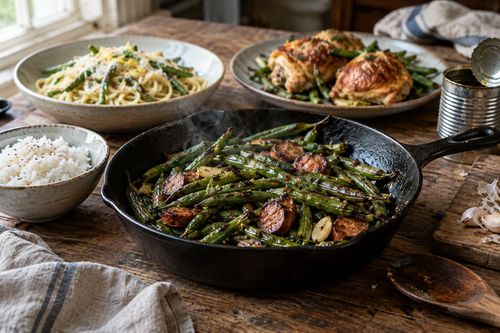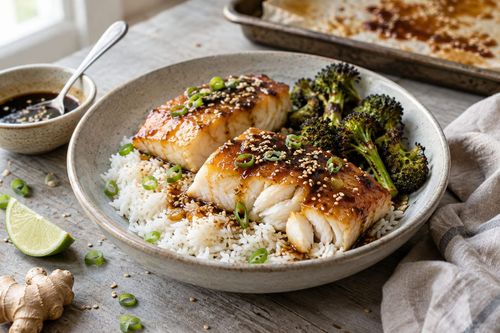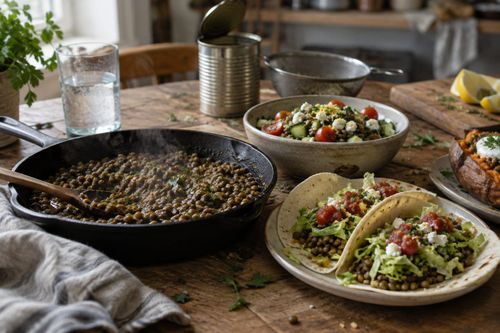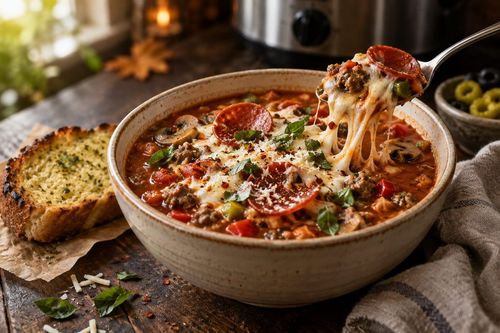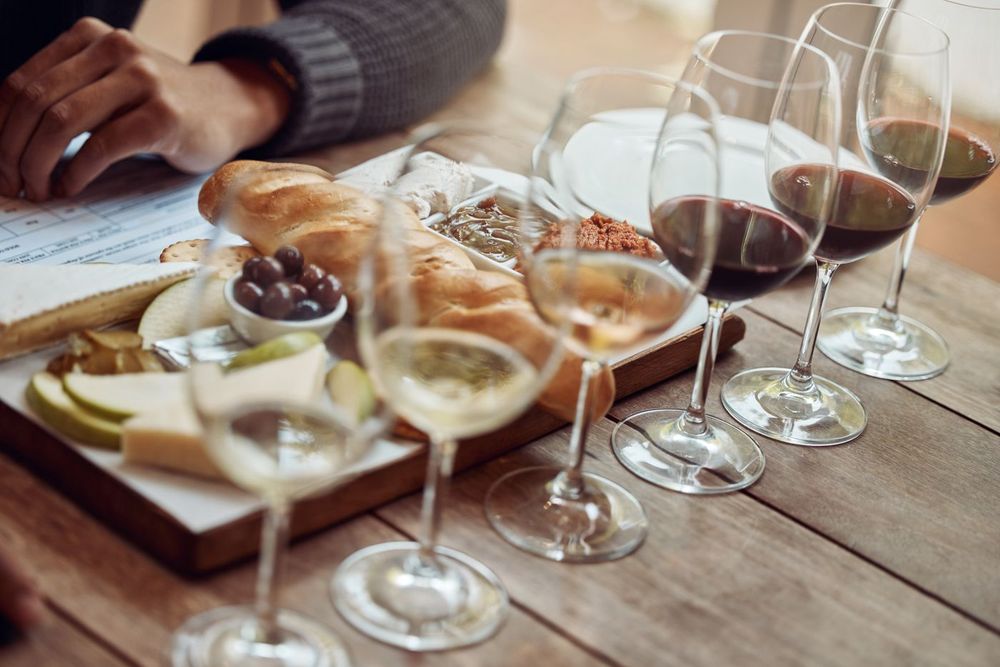

There is a moment at a well-set table that most diners experience without fully understanding what produced it.
The food arrives. The glass is raised. A sip is taken alongside a bite — and something happens that neither the food nor the drink accomplished independently. The wine makes the dish taste more like itself. The dish makes the wine taste more complete. The combination produces a pleasure that is greater than the sum of its parts in a way that feels almost chemical.
It is chemical.
Food and drink pairing — at its best — is not a set of rules to be memorized or a hierarchy to be navigated. It is an understanding of how flavor compounds interact, how the sensory system processes simultaneous inputs, and how the right combination of food and drink creates a unified experience that neither achieves alone.
Most people encounter this understanding, if they encounter it at all, in the context of wine and food — the traditional domain of pairing conversation. But the principles that make wine pairing work apply equally to beer, to spirits, to tea, to non-alcoholic beverages of every kind. The wine list is one application of a broader set of ideas about how flavors interact across the boundary between plate and glass.
Why Pairing Works: The Basic Science
The human sensory system does not process the flavors of food and drink separately when they are consumed simultaneously. It integrates them — producing a unified flavor perception that is the result of both inputs combined, not the sequential experience of first food, then drink.
This integration can be harmonious or discordant. When the flavor compounds in the food and the drink complement each other — when they share aromatic families, when one’s acidity brightens the other’s richness, when bitterness in the drink cuts the fat of the dish — the integrated perception is more pleasurable than either input alone. When the compounds conflict — when both the food and the drink are high in bitterness, producing an amplified bitterness that neither contains independently — the integrated experience is less pleasant than either alone would have been.
The practical implication is that pairing is not about finding a drink that doesn’t interfere with food. It is about finding a drink that makes the food — and the drink — more than they would be without each other.
This is the standard that the best pairings achieve. And it is a meaningfully different standard from the one most casual pairing conversations are calibrated around.
Acid: The Most Useful Tool in Pairing
Of all the flavor elements in food and drink, acidity is the most consistently useful pairing tool — and the most underappreciated by home cooks and casual diners.
Acid in a drink — the tartness of a crisp white wine, the bright acidity of a citrus-forward cocktail, the clean sharpness of a well-made vinegar-based soft drink — functions as a palate cleanser between bites of rich, fatty food. It cuts through the fat coating left on the palate by a bite of braised pork belly or a piece of buttery fish, resetting the sensory baseline and making the next bite taste as vivid and complete as the first.
This is the mechanism behind one of the most reliable pairing principles: fatty foods pair well with acidic drinks. Rich, butter-forward lobster with a high-acid Chablis. Charcuterie with a sparkling wine whose effervescence adds physical acidity to chemical acidity. Fried food with a cold, crisp lager whose carbonation and mild acidity cut through the oil.
The same principle applies in reverse: a very acidic dish — a ceviche, a salad dressed with lots of lemon, a tomato-forward sauce — can make a low-acid wine taste flat and dull by comparison, because the dish’s acidity sets a threshold that the drink’s acidity fails to meet. Matching or exceeding the acidity of the dish in the drink is the adjustment that makes this combination work.
Understanding acidity as a tool — rather than as a fixed characteristic to be noted and matched according to rules — gives the pairer the ability to reason about combinations rather than simply remember them.
Tannin, Bitterness, and Fat
Tannins — the compounds in red wine responsible for the drying, gripping sensation on the palate — are one of the most misunderstood elements in food and drink pairing, and understanding how they actually interact with food changes the pairing decisions made around red wine significantly.
Tannins bind to proteins. When a tannic red wine is consumed alongside a fatty, protein-rich piece of beef — a ribeye, a lamb chop — the tannins bind to the proteins in the meat and the fat coats the mouth in a way that softens the tannin’s grip, making the wine taste smoother and more complete than it does on its own. The meat, meanwhile, tastes richer and more flavorful because the tannin has bound to some of the proteins that would otherwise coat the palate and dull the flavor perception.
This is the mechanism behind the classic pairing of tannic red wine and red meat. It is not a cultural convention. It is a biochemical interaction that produces a genuine sensory benefit for both the food and the drink.
The same tannic wine consumed alongside a delicate piece of fish — which has very little fat and very little protein relative to beef — produces a different interaction. The tannins, with little fat or protein to bind to, remain aggressive on the palate and overwhelm the delicate flavor of the fish. The wine tastes harsh. The fish tastes of nothing.
Understanding the tannin-protein-fat interaction demystifies a large category of pairing decisions and replaces the arbitrary rule — red wine with red meat, white wine with fish — with the reasoning behind it, which applies flexibly to a much wider range of situations.
Sweetness, Spice, and the Balance of Sensation
Spicy food presents one of the more interesting pairing challenges — and one that reveals something important about how the sensory system processes different kinds of heat and sensation simultaneously.
Alcohol amplifies the heat sensation produced by capsaicin — the compound responsible for the burn of chili peppers. A highly alcoholic wine or spirit consumed alongside very spicy food intensifies the perceived heat of the dish rather than soothing it. The combination produces a sensation that many people find overwhelming rather than pleasurable.
This is why slightly sweet, low-alcohol drinks pair so consistently well with spicy food — the sweetness of the drink provides a genuine sensory contrast to the heat of the food, and the lower alcohol content avoids the amplification effect. A slightly off-dry German Riesling with a spicy Thai curry. A mango lassi with a vindaloo. A cold, mildly sweet lager with Sichuan food. In each case, the drink is providing a cooling, softening counterpoint to the dish’s heat rather than compounding it.
The principle generalizes: sweetness in a drink can balance heat, bitterness, and acidity in food, and a drink that is sweeter than the dessert it accompanies will taste flat and cloying, while a drink that is less sweet than a dessert will taste sharp and austere by comparison. Matching the sweetness level of drink to food — or deliberately contrasting it — is one of the most practical pairing decisions available.
Beyond Wine: The Wider World of Pairing
The principles of pairing — acid, tannin, sweetness, alcohol, effervescence as tools for interaction — apply equally across the full range of drinks available at any table.
Beer offers a different set of pairing tools. The bitterness of hops functions similarly to wine tannin in cutting through fat and richness. The malty sweetness of certain styles complements savory, umami-rich dishes — a dark, slightly sweet stout alongside oysters is a pairing of considerable antiquity and considerable logic. The carbonation of most beer functions as a physical palate cleanser that wine, without its bubbles, cannot provide.
Tea — particularly the tannin-rich black teas of the British tradition — was historically drunk with milk precisely because the milk’s fat and protein soften the tannin’s grip on the palate, making the tea more pleasant to drink alongside the fatty, savory foods of a traditional British meal. The pairing logic is identical to the red wine and beef pairing — fat and protein softening tannin — applied to a completely different drink and a completely different meal context.
Non-alcoholic pairings — sparkling water with rich food, kombucha’s mild acidity with fatty dishes, the tannins of certain herbal teas with sweet desserts — follow the same principles. The absence of alcohol removes one variable but leaves all the others intact, and the same reasoning that produces good wine pairings produces good non-alcoholic pairings for those who prefer them.
The Takeaway
Pairing food and drink well is not a matter of memorizing rules or deferring to authority. It is a matter of understanding a small number of principles — how acid, tannin, sweetness, bitterness, and effervescence interact with the flavor compounds in food — and applying them with curiosity rather than anxiety.
The best pairing is the one that makes both the food and the drink more than they would be without each other. That standard is achievable with any combination of food and drink, at any price point, with any level of prior knowledge — as long as the taster is paying attention to what is actually happening when the food and the drink meet on the palate.
That attention is the skill.
Everything else follows from it.