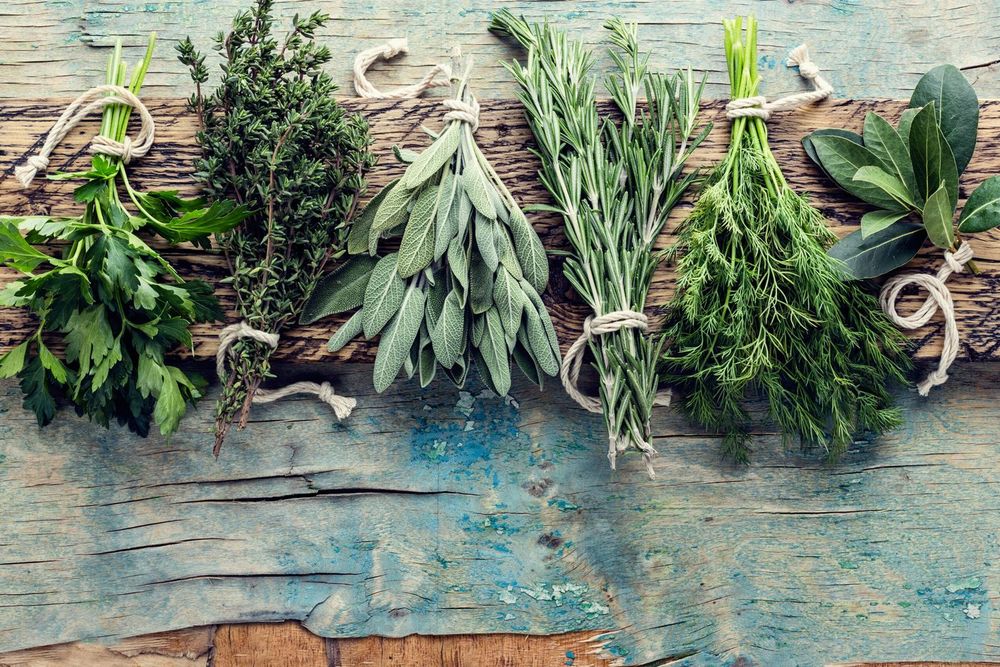

You buy fresh herbs.
Chop them. Add them to your dish. Wait for that bright, fresh flavor to transform everything.
But it doesn’t taste the way you expected.
Sometimes the herbs are barely noticeable. Sometimes they taste bitter or harsh. Sometimes they just disappear entirely, leaving no trace they were ever there.
Meanwhile, restaurant dishes have herb flavor that’s pronounced but balanced. Present in every bite without being overwhelming.
The difference isn’t the quality of the herbs. It’s when you add them, how you prepare them, and which herbs you’re using for which applications.
Most home cooks treat all herbs the same way. Chefs know they’re completely different ingredients that require completely different handling.
You’re Cooking Delicate Herbs Too Long
Basil, cilantro, parsley, dill, chives, tarragon—these are delicate herbs.
Their flavor compounds are volatile. Heat destroys them. Cook them too long and they turn muddy, bitter, and dull.
Chefs add delicate herbs at the very end of cooking. Sometimes after the dish is off the heat entirely. Often as a garnish right before serving.
Home cooks often add fresh herbs early, treating them like dried herbs. By the time the dish is done, the herbs have cooked to death and contributed almost nothing.
That’s why your basil in tomato sauce tastes like nothing. You added it twenty minutes before the sauce was done. The flavor cooked out completely.
Add it in the last minute. Or better yet, stir it in after you turn off the heat. The difference is dramatic.
Hardy Herbs Need Time to Infuse
Rosemary, thyme, oregano, sage, bay leaves—these are hardy herbs.
Unlike delicate herbs, they benefit from long cooking. Their flavor compounds are more stable. They need time and heat to release their essential oils into the dish.
Chefs add hardy herbs early in the cooking process. They want those flavors to permeate the entire dish.
Home cooks sometimes add all herbs at the end, regardless of type. Hardy herbs added at the last minute taste raw and overpowering instead of integrated and balanced.
A bay leaf needs to simmer in soup for an hour. Rosemary needs time in the roasting pan with your chicken. Thyme wants to cook with your braise from the beginning.
Different herbs, different timing. It’s not complicated, but it matters enormously.
You’re Not Using Enough
Recipes often call for a tablespoon of chopped herbs. Sometimes a teaspoon.
Those amounts are conservative—written for people who are cautious about flavor.
Chefs use herbs much more generously. A handful of parsley. A bunch of cilantro. A serious amount of basil.
Fresh herbs are mostly water. You need more than you think to get noticeable flavor.
Home cooks use a timid sprinkle and wonder why the herbs don’t make an impact. There simply isn’t enough there to taste.
Be bold. If the recipe says a tablespoon of parsley, use three. If it says a few leaves of basil, use a handful.
You’ll actually taste the herbs that way.
The Stems Are Being Wasted
Most people discard herb stems and only use the leaves.
For many herbs, that’s throwing away flavor.
Cilantro stems have as much flavor as the leaves—sometimes more. Parsley stems are packed with flavor. Even basil stems contribute.
Chefs chop and use tender stems along with leaves. They only discard woody stems from herbs like rosemary or thyme.
This isn’t just about reducing waste. The stems add flavor that you’re currently throwing in the trash.
If the stem is tender enough to chop easily, it’s tender enough to eat. Use it.
They’re Not Being Chopped Correctly
Tearing or roughly chopping herbs bruises them and causes oxidation.
You’ll notice this with basil especially—it turns black almost immediately after cutting.
Chefs use sharp knives and cut with a clean slicing motion. No sawing. No pressing down hard. Just sharp, decisive cuts.
This minimizes cell damage and keeps herbs looking and tasting fresh.
Dull knives and aggressive chopping create herbs that look bruised and taste bitter.
It’s a small technique point, but it affects both appearance and flavor.
Dried and Fresh Aren’t Interchangeable
Dried herbs are concentrated. Their flavors are different from fresh—earthier, sometimes more bitter.
You can’t substitute them one-to-one. A tablespoon of dried oregano is much stronger than a tablespoon of fresh.
The general rule is three-to-one: one teaspoon dried equals one tablespoon fresh.
But more importantly, dried and fresh herbs work in different applications.
Dried herbs belong in long-cooked dishes where they have time to rehydrate and mellow. Fresh herbs belong in quick-cooked dishes or as finishing touches.
Chefs know which type works for what they’re making. Home cooks often just grab whichever they have, regardless of whether it’s appropriate.
You’re Storing Them Wrong
Fresh herbs are fragile. They wilt quickly if stored improperly.
Soft herbs like basil, cilantro, and parsley should be stored like flowers—stems in water, loosely covered with a plastic bag, in the refrigerator.
Hardy herbs like rosemary and thyme can be wrapped in a damp paper towel and stored in a sealed container.
Herbs stored loose in the crisper drawer wilt within a day or two. Properly stored, they last a week or more.
Restaurants go through herbs quickly, but they also store them properly. Home cooks often shove them in the fridge and forget about them until they’re brown and slimy.
By the time you remember to use them, they’ve lost most of their flavor.
The Wrong Herb for the Dish
Not all herbs work in all cuisines.
Cilantro belongs in Mexican, Indian, and Southeast Asian food. It tastes out of place in Italian dishes.
Basil works in Italian and Thai cooking. It’s wrong in French cuisine.
Tarragon is distinctly French. It doesn’t belong in most other styles.
Chefs choose herbs that match the flavor profile they’re building. They’re not random about it.
Home cooks often use whatever herbs they have, regardless of whether they fit the dish. Then they wonder why the flavors don’t come together.
If you’re making Italian food, use basil, oregano, and parsley. If you’re making Thai food, use cilantro, basil, and mint. Match the herb to the cuisine.
They’re Being Added to Cold Dishes Too Early
Herbs in cold dishes—salads, salsas, pesto—start to deteriorate immediately.
The moment you chop and dress herbs, they begin to wilt and lose their brightness.
Chefs add fresh herbs to cold dishes right before serving. Sometimes they keep them separate until the very last second.
Home cooks often make a salad or salsa hours ahead with herbs mixed in. By the time it’s served, the herbs are wilted and discolored.
If you’re prepping ahead, keep herbs separate. Add them right before serving. The difference in appearance and flavor is significant.
You’re Not Blooming Dried Herbs
Dried herbs added directly to a dish often taste dusty and one-dimensional.
Their flavor compounds need heat and fat to release properly.
Chefs bloom dried herbs in oil or butter before adding other ingredients. This activates their essential oils and creates a more rounded, integrated flavor.
Home cooks often sprinkle dried herbs directly into a sauce or soup without blooming them first. The herbs never fully wake up.
Thirty seconds in hot oil transforms dried herbs. They become fragrant and their flavors open up completely.
This step costs almost nothing in time but produces significantly better results.
Too Many Herbs Create Confusion
More isn’t better when it comes to herbs.
Using four or five different herbs in one dish creates a muddy, confused flavor where nothing stands out.
Chefs usually limit themselves to one or two herbs per dish—three at most. This creates clarity. Each herb’s character comes through distinctly.
Home cooks sometimes use every herb in the fridge, thinking more variety equals more flavor.
Instead, the flavors compete and cancel each other out. Nothing tastes like anything specific.
Choose one or two herbs that complement your dish. Let them shine. Don’t drown them in competition.
Fresh Herbs Need to Be Dry Before Chopping
Wet herbs don’t chop cleanly. They stick to the knife. They clump together. They’re harder to distribute evenly in a dish.
Chefs wash herbs, then dry them thoroughly before using—either in a salad spinner or patted dry with towels.
Home cooks often rinse herbs and immediately start chopping while they’re still dripping wet.
The result is herbs that are harder to work with and don’t incorporate well into the dish.
Dry your herbs completely. It takes one extra minute and makes everything easier.
What You Can Do Starting Now
Learn which herbs are delicate and which are hardy. Add them at the appropriate time.
Use more herbs than recipes suggest—especially fresh ones.
Chop with a sharp knife using clean cuts, not sawing motions.
Store herbs properly so they last longer than a day.
If using dried herbs, bloom them in fat before adding other ingredients.
Choose herbs that match the cuisine you’re cooking.
These aren’t advanced techniques. They’re basic practices that completely change how herbs taste in your food.
The Takeaway
Fresh herbs are one of the easiest ways to elevate home cooking.
But only if you understand how to use them.
Timing matters. Preparation matters. Choosing the right herb for the application matters.
Treat all herbs the same way and half of them will taste wrong. Know the differences and every herb you use will contribute exactly what it should.
Chefs don’t use more expensive herbs. They just know when to add them, how much to use, and which ones belong in which dishes.
That knowledge is what makes their food taste brighter, fresher, and more intentional.
And now you have it too.