
If you've got raw cheddar from Family Farmstead Dairy in your fridge, it's time to check the package.
The Worcester, New York, company is recalling all of its raw mild and raw sharp cheddar because the cheese may be contaminated with Listeria monocytogenes. The company's announcement was posted by the FDA on November 10.
What's Being Recalled
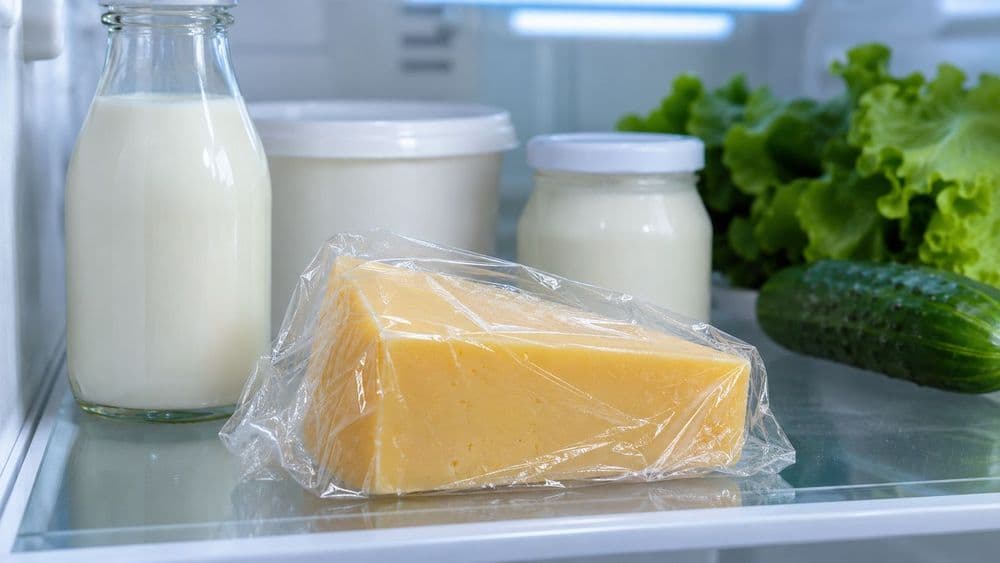
Two products are affected: Family Farmstead Raw Mild Cheddar and Raw Sharp Cheddar, both sold in 8-ounce plastic-wrapped packages. The recall covers all lot codes dated 10/16/27 and earlier. No other Family Farmstead Dairy products are included unless the company identifies them separately.
Where It Was Sold
The cheese was distributed through retail stores in New York, New Jersey, Vermont, New Hampshire, Maryland, Pennsylvania, Rhode Island, Connecticut, Delaware, Virginia, West Virginia, and Tennessee.
The Second Recall in a Month
This follows a recall the company announced on October 15 for a single lot of Raw Mild Cheddar, with lot code and best-by date 7/22/27, over possible E. coli contamination. The new notice expands the scope to all raw cheddar and cites a different bacterium.
Has Anyone Gotten Sick?
No illnesses have been publicly reported in connection with either recall, and the November notice doesn't mention any.
What to Do if You Have It
Don't eat the recalled cheese. Return it to the store where you bought it, or contact Family Farmstead Dairy directly for help.
About Listeria
Food contaminated with Listeria can look, smell, and taste normal. Healthy people may have short-term symptoms like fever, headache, stiffness, nausea, abdominal pain, and diarrhea. The infection can be serious or even life-threatening for young children, older adults, and people with weakened immune systems, and it can cause miscarriages and stillbirths in pregnant women.
Symptoms can take weeks to appear, with some cases developing up to 70 days after exposure. Anyone who has eaten the recalled cheese and develops symptoms should seek medical care and tell their doctor about the possible exposure.
The Takeaway
If you live in one of the 12 states and buy raw cheddar, check the brand, size, and date code on your packages. If you've already eaten some, watch for symptoms over the coming weeks and talk to a healthcare provider if you're in a higher-risk group.